
introduction
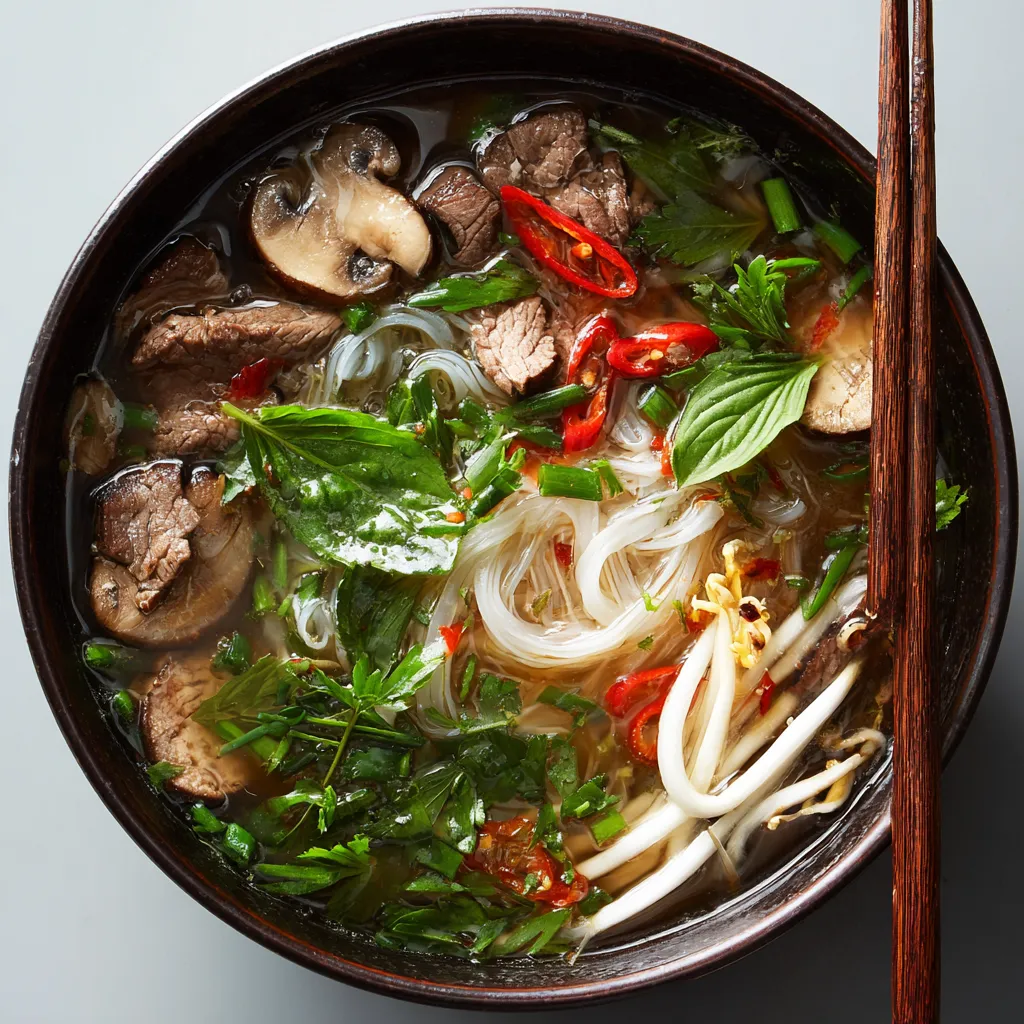
Pho is a cornerstone of Vietnamese cuisine, celebrated for its delicate balance of rich broth, tender meats, fresh herbs, and flavorful noodles. A dish that can be found in nearly every corner of the world, pho’s distinctive taste comes from the careful selection of ingredients, particularly flavor enhancers in many pho recipes nyt that create the broth’s deep, savory flavor. In this comprehensive guide, we explore everything you need to know about pho, with a particular focus on the flavor enhancer in many pho recipes nyt and how it elevates the dish to new heights.
What is pho recipes ?
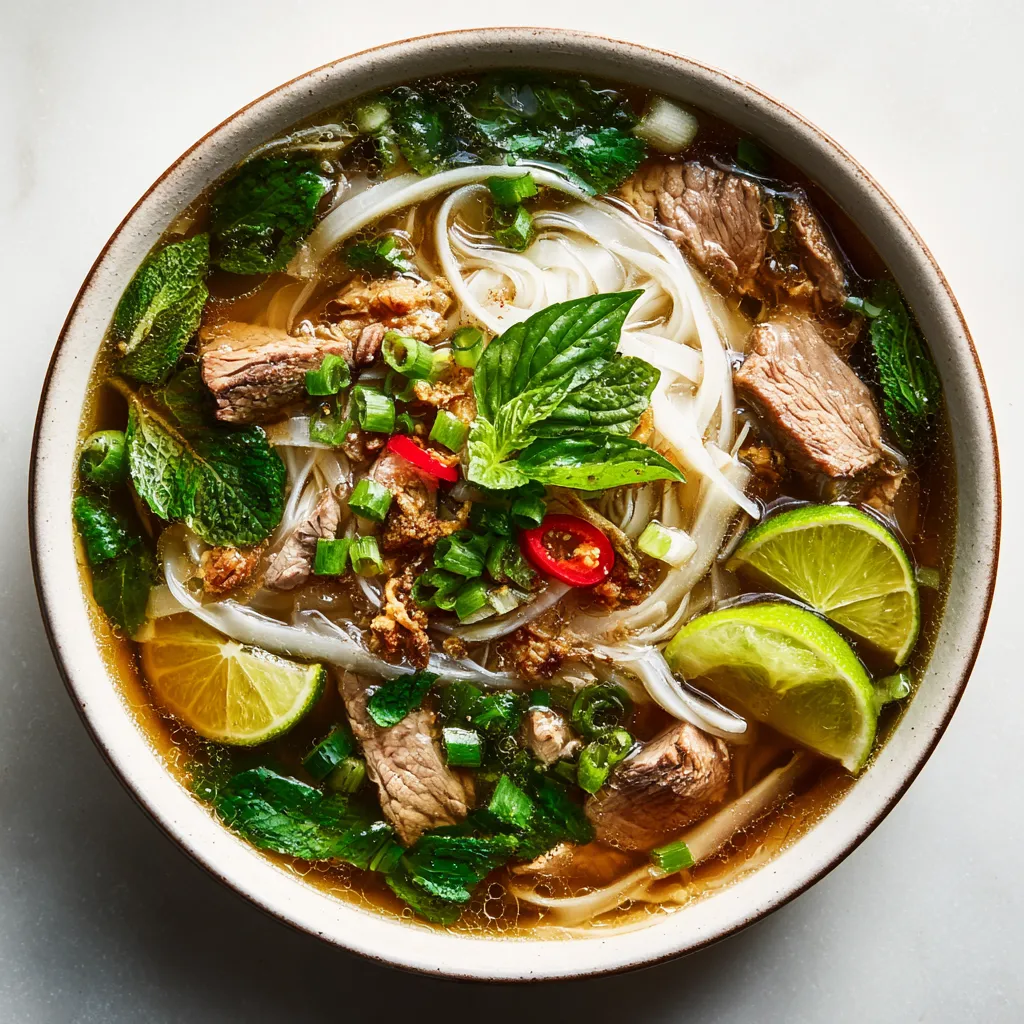
Pho (pronounced “fuh”) is a Vietnamese noodle soup made with a flavorful broth, rice noodles, herbs, and meat typically beef or chicken. It’s believed to have originated in Northern Vietnam in the early 20th century and has since become a beloved dish around the world.
The Origins of Pho:
The exact origins of pho are somewhat debated, but it’s widely accepted that the dish was developed in the early 1901s in Hanoi. The name “pho” is thought to derive from the French word “pot-au-feu,” a French beef stew, reflecting the French influence on Vietnamese cuisine during the colonial period. The dish was originally a simple, rustic soup served to laborers and families but has evolved into a global favorite.
In Vietnam, pho is often enjoyed as a breakfast dish, though it’s eaten throughout the day by people of all ages. Pho has become so ingrained in Vietnamese culture that it’s considered a national dish. The fragrant, steaming bowl of pho is typically enjoyed in restaurants, but many families also have their own recipe passed down through generations.
What Makes flavor enhancer in many pho recipes nyt Special?
The key to pho’s deliciousness lies in its broth, which is simmered for hours to extract maximum flavor from the bones and spices. Unlike many other soups, pho’s broth isn’t heavy or creamy; instead, it’s clear and aromatic, with layers of flavors that build over time. The addition of flavor enhancers in many pho recipes nyt, such as fish sauce, MSG, and sugar, is what truly sets pho apart from other soups. The flavor enhancer in many pho recipes nyt contributes significantly to achieving that perfect balance of savory, salty, and sweet in the broth.
Why This Pho Recipe is Perfect for You
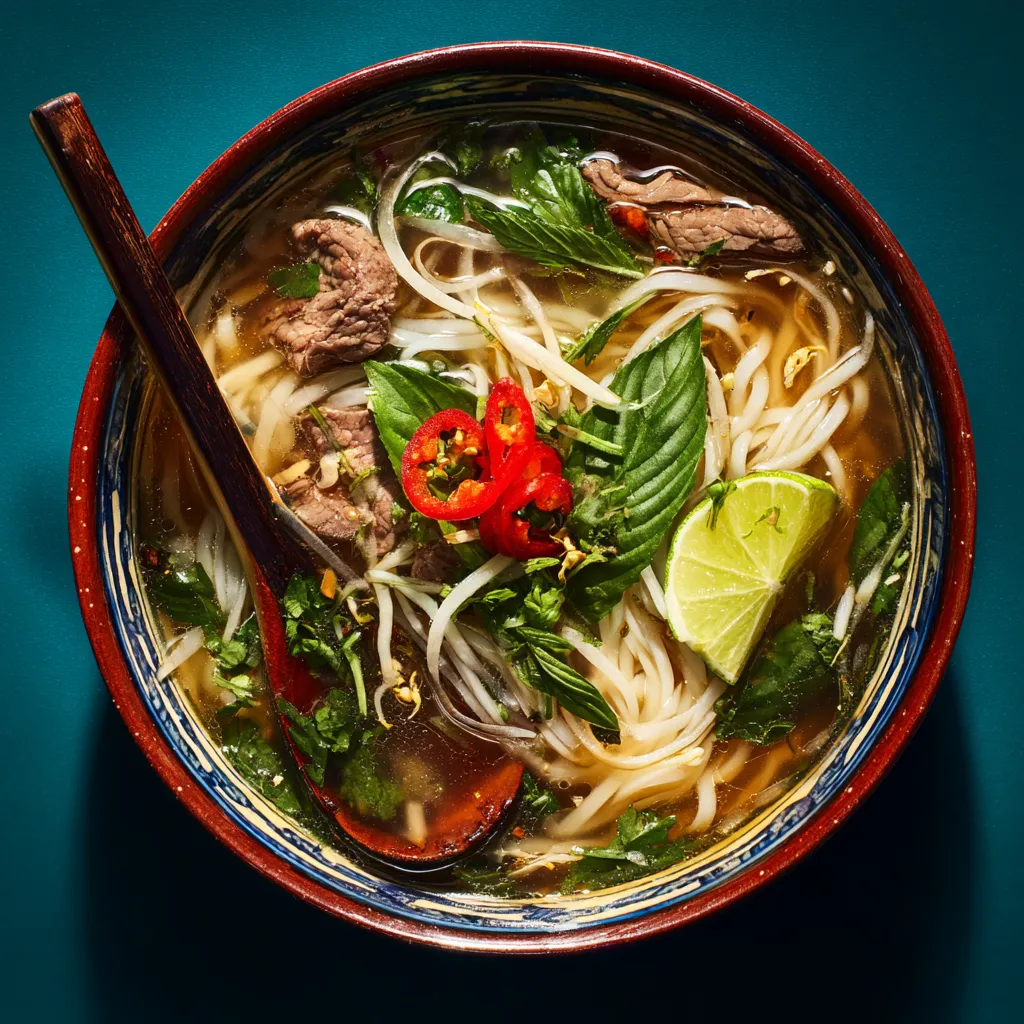
Whether you’re a pho enthusiast or someone new to Vietnamese cuisine, this pho recipe is perfect for you. It offers a customizable approach that lets you adjust the flavor enhancers in many pho recipes nyt, the protein, and the toppings to suit your preferences.
A Perfect Meal for Every Taste
Pho can be adapted to suit almost any dietary preference. It can be made with beef, chicken, or even tofu for a vegetarian version. The flavor enhancers in many pho recipes nyt allow you to control the depth and richness of the broth. Pho is also a great option for people looking for a nutritious, balanced meal, as it combines protein, vegetables, and carbohydrates in one dish.
Easy to Customize
One of the greatest benefits of pho is its versatility. While there are standard ingredients that make up a traditional pho, you can experiment with different herbs, proteins, and even broths to suit your taste. You can make a vegetarian pho by replacing meat with tofu or mushrooms, and you can adjust the spice level by adding more or less chili to the soup. The broth, which is the soul of pho, can also be tailored to your preference by adjusting the level of flavor enhancers in many pho recipes nyt, like MSG, fish sauce, and sugar.
Why You’ll Love This flavor enhancer in many pho recipes nyt
Main Highlights
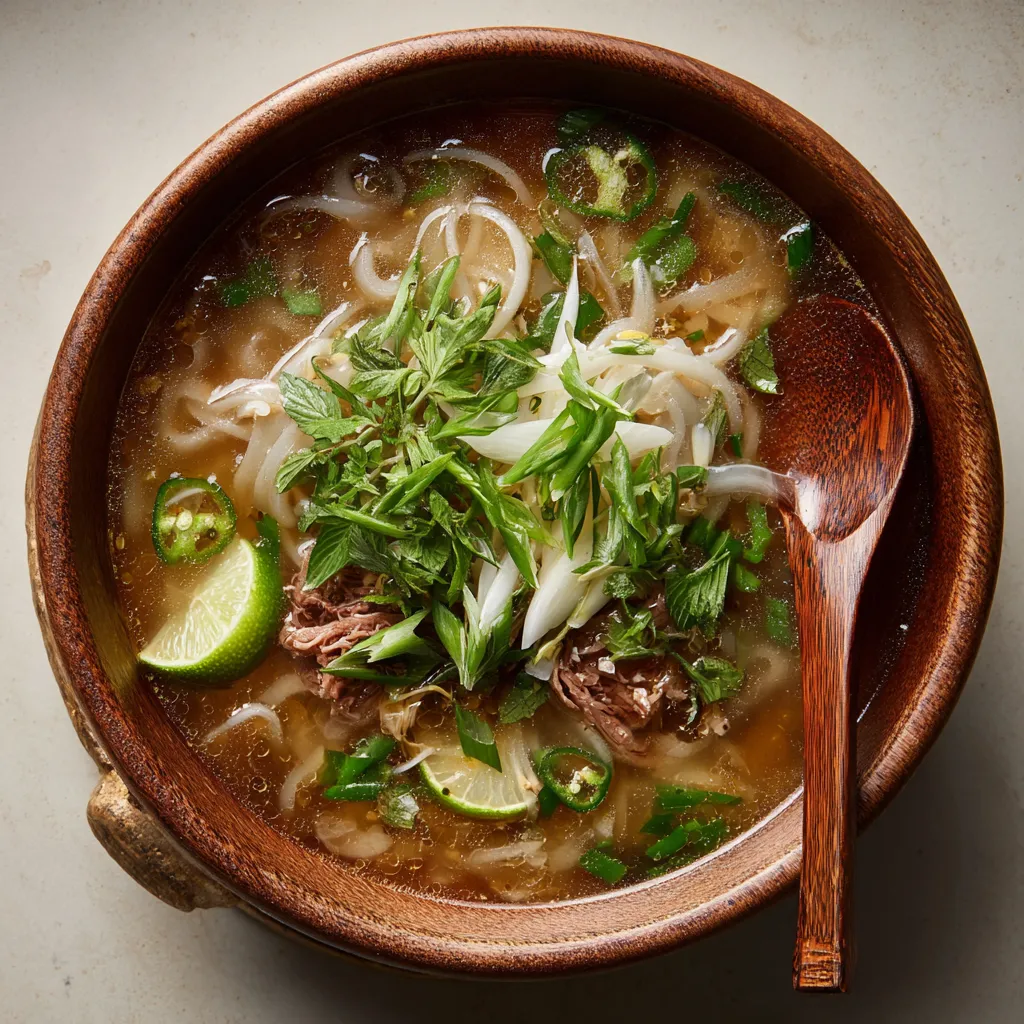
- Rich, Savory Broth: The combination of flavor enhancers in many pho recipes nyt, like MSG, fish sauce, and sugar, results in a deep, savory broth that’s balanced and aromatic.
- Authentic Flavor: This recipe uses traditional ingredients, so you’ll be able to create a broth that’s true to the flavors of Vietnam.
- Customizable Protein: You can use beef, chicken, or tofu, allowing you to adapt the dish to different dietary preferences.
- Nutrient-Packed: Pho is a balanced dish with proteins, carbs, and plenty of fresh herbs and vegetables.
- Comforting Yet Light: Despite being flavorful and satisfying, pho is not overly heavy, making it a great option for a meal at any time of the day.
Cost-Saving Benefits
Pho is not only an incredibly flavorful dish but also a cost-effective one. While a bowl of pho at a restaurant can cost you upwards of $10-$15, you can make a huge batch at home for a fraction of the price. The ingredients, like flavor enhancers in many pho recipes nyt, such as MSG, fish sauce, and spices, last for multiple batches, making pho an economical choice for feeding a family or for meal prep. Plus, by making pho at home, you can control the ingredients to ensure that you’re using high-quality, fresh products.
Quick Facts
| Prep Time | 15 minutes |
| Cook Time | 1.5 hours |
| Total Time | 1 hour 45 minutes |
| Servings | 4 servings |
| Calories | 450 kcal per serving |
How to Make flavor enhancer in many pho recipes nyt
Pho requires a few key ingredients, the most important of which is the broth. The flavor enhancers in many pho recipes nyt make all the difference in creating a broth that is both savory and aromatic.
Equipment Needed
- Large pot or Dutch oven
- Strainer or cheesecloth
- Ladle
- Cutting board and knife
- Stove or cooktop
- Bowl for serving
Key Ingredients
Pho is known for its distinct flavor, which comes from the careful combination of spices, herbs, and meat or tofu. The broth is the centerpiece of pho, and the following ingredients are essential to create an authentic taste:
- Beef bones or chicken: The primary ingredient for your broth, providing rich flavor and depth.
- MSG: A flavor enhancer in many pho recipes nyt that elevates the umami of the broth.
- Fish sauce: Adds saltiness and a unique savory flavor.
- Sugar: Balances the saltiness of the fish sauce and MSG, creating a harmonious broth.
- Rice noodles: The foundation for the pho, offering a neutral base to soak up the broth.
- Spices (Cinnamon, Star Anise, Cloves): These aromatic spices are critical to the broth’s distinct fragrance.
- Fresh herbs: Basil, cilantro, and mint are added as garnishes to freshen up the pho.
Ingredient List
- 1 lb beef bones (or chicken)
- 2 tbsp fish sauce
- 1 tsp MSG
- 2 tbsp sugar
- 1-inch piece ginger, charred
- 2-3 star anise
- 1 cinnamon stick
- 1/2 tsp cloves
- 500g rice noodles
- Fresh herbs (basil, cilantro, mint)
- Lime wedges
- Chili (optional)
Step-by-Step Instructions
Step One: Prepare the Broth
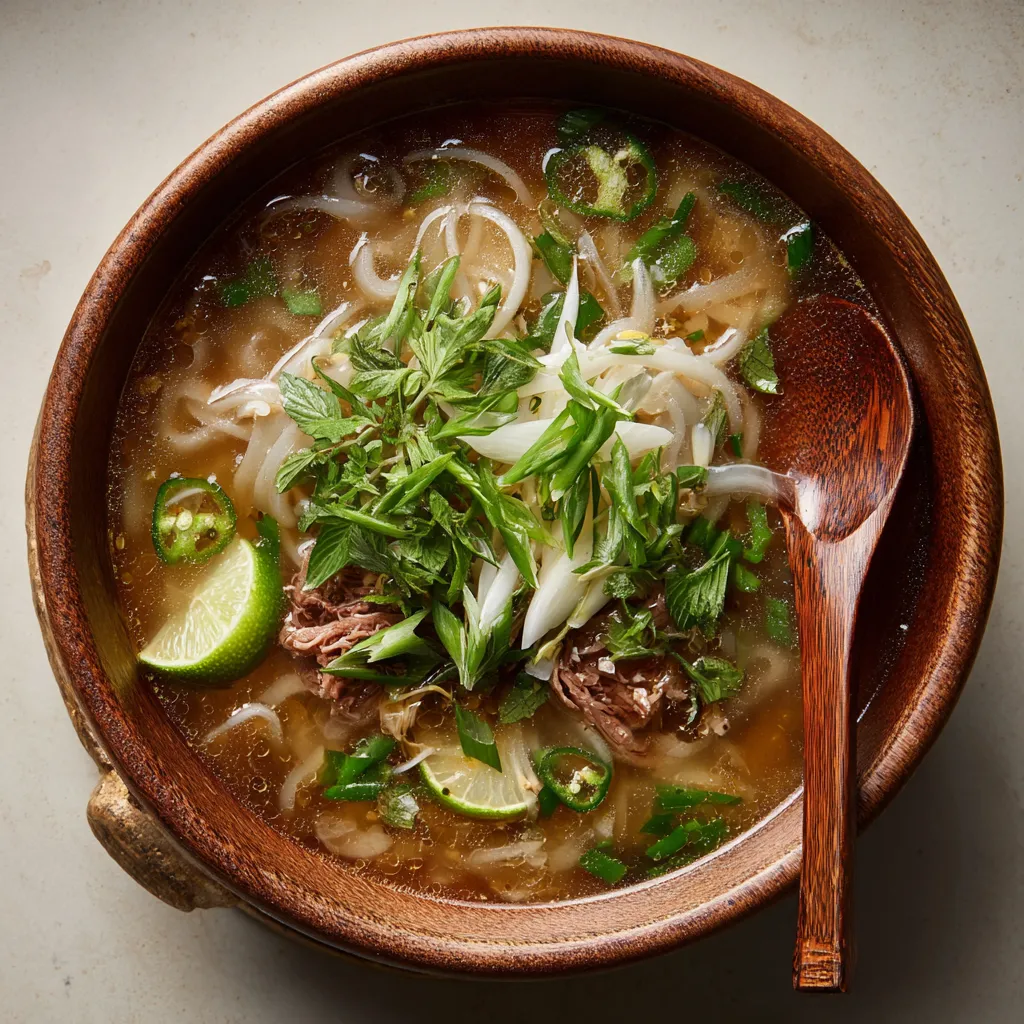
Start by boiling your beef bones or chicken in a large pot of water. Allow the water to come to a boil and then lower the heat to a simmer. Skim the impurities that rise to the surface and discard them to keep the broth clear.
Step Two: Add Flavor Enhancers
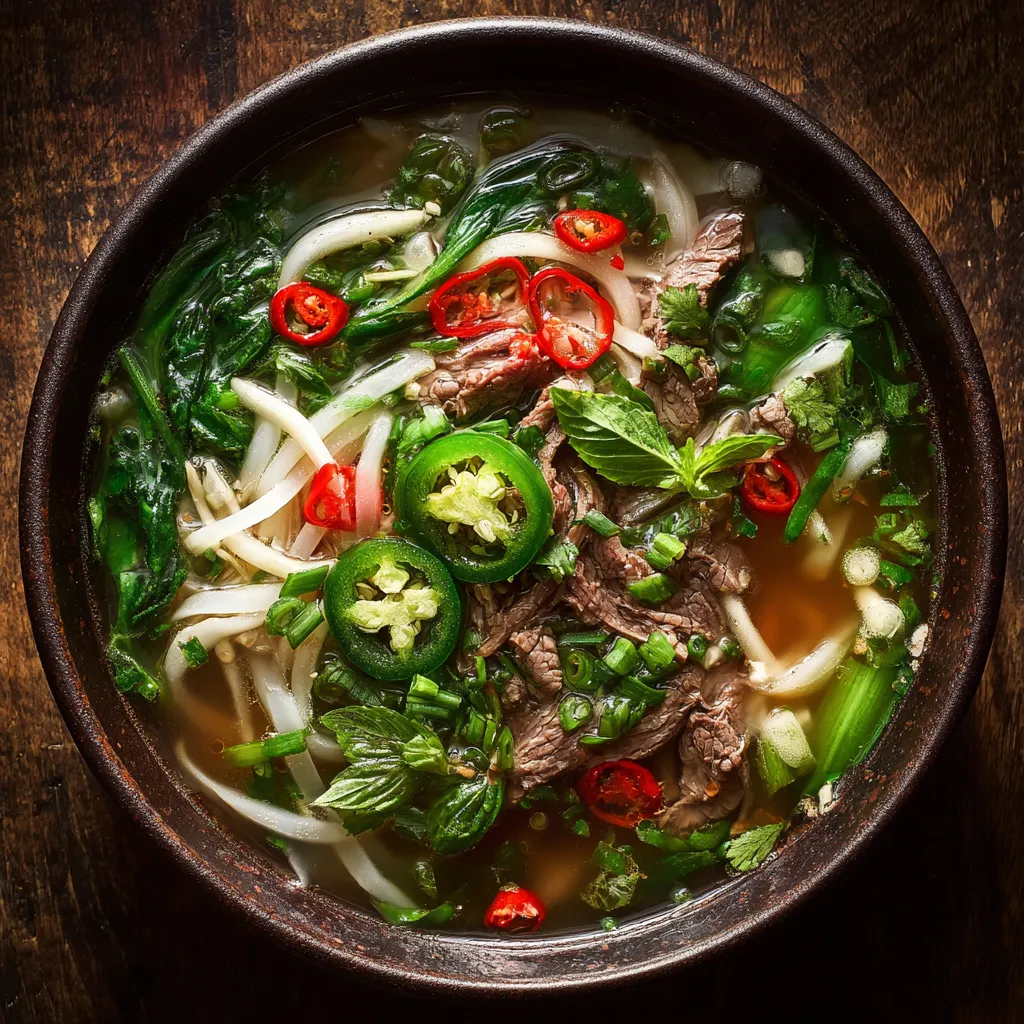
Once the broth is clear, it’s time to add the flavor enhancers in many pho recipes nyt. Add the fish sauce, MSG, and sugar to the broth. Char the ginger by placing it on an open flame or in a pan until it’s slightly blackened, then add it to the pot along with the star anise, cinnamon, and cloves. Let the broth simmer for at least 1 to 1.5 hours to allow the flavors to fully develop.
Step Three: Cook the Noodles
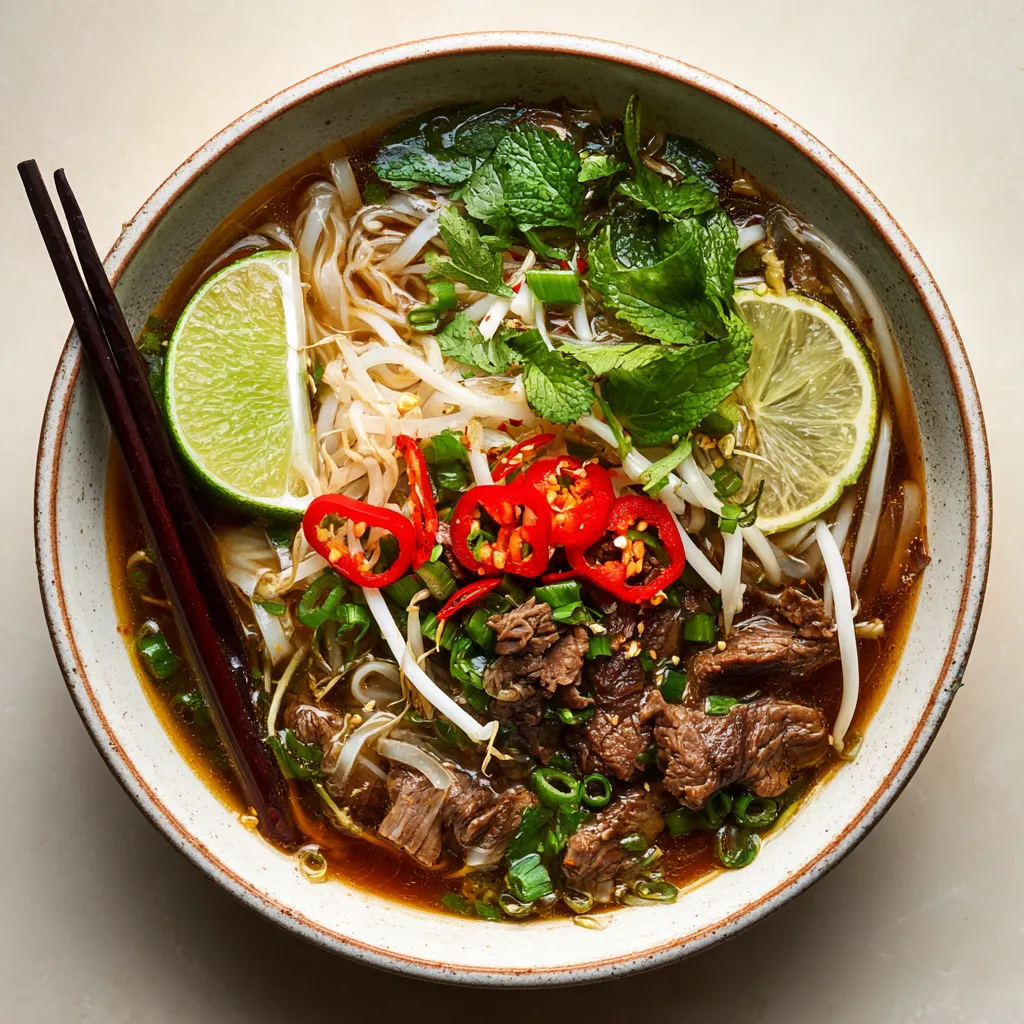
While your broth is simmering, prepare the rice noodles according to the package instructions. Rice noodles cook quickly, so be sure not to overcook them. Once cooked, drain and set aside.
Step Four: Assemble the Pho
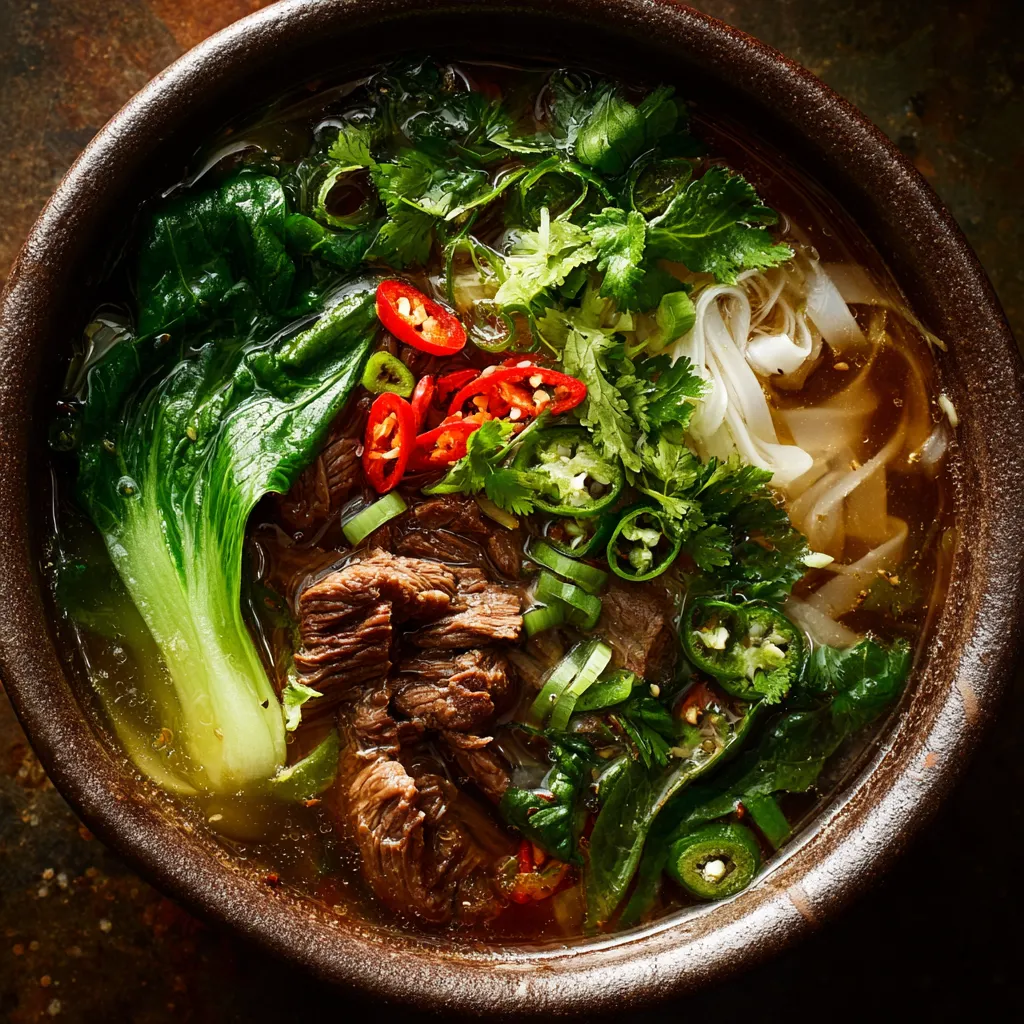
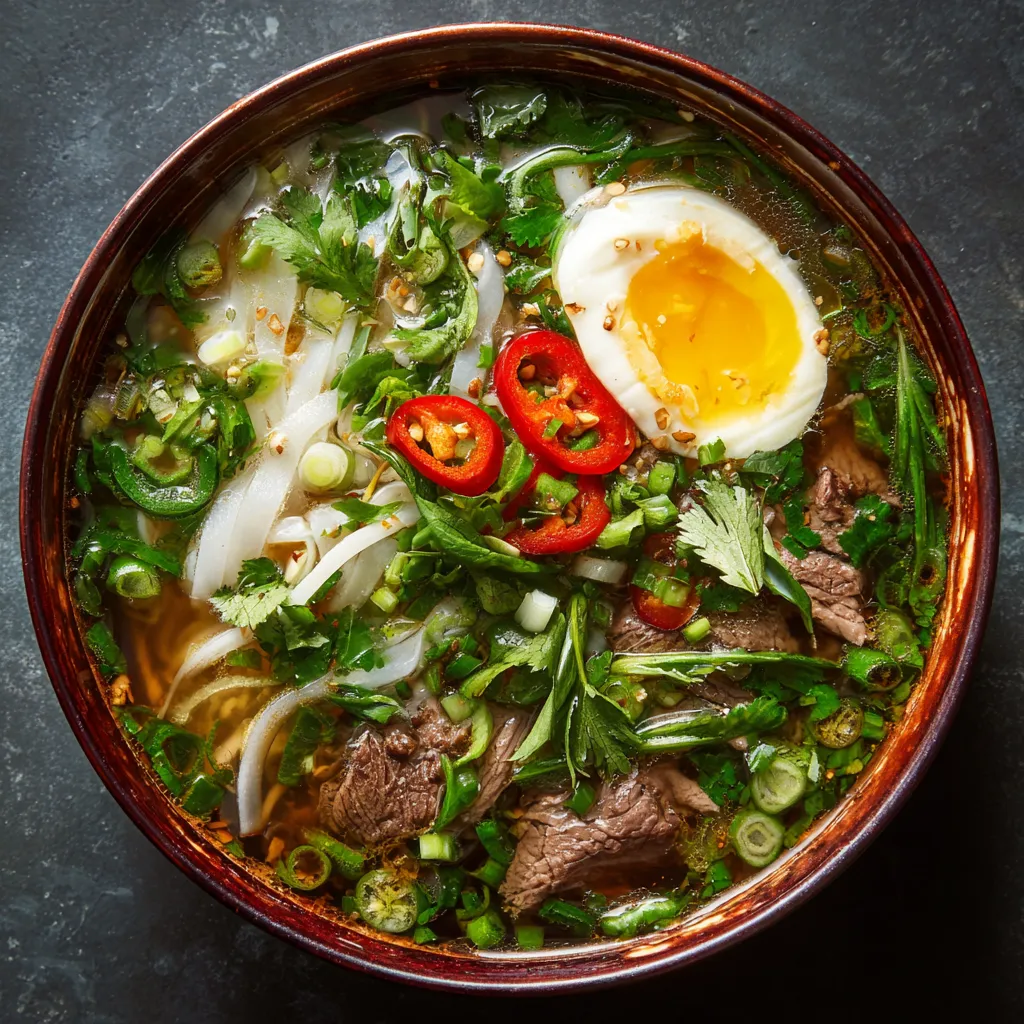
Place a serving of noodles in each bowl. Ladle the hot broth over the noodles, making sure to include some of the beef or chicken. Garnish with fresh herbs like basil, cilantro, and mint. Squeeze lime wedges over the pho for a tangy kick, and add chili if you like it spicy.
Dietary Alternatives
Ingredient Substitutions
Pho can be made to suit various dietary needs. Here are some common substitutions:
| Original Ingredient | Alternative | Notes |
|---|---|---|
| Beef Bones | Vegetable Stock | For a vegetarian pho |
| Fish Sauce | Soy Sauce | Vegan-friendly option |
| Sugar | Honey | Natural sweetness for a lighter option |
Timing Adjustments
Using a pressure cooker or Instant Pot can significantly reduce cooking time. If you use one, your broth will be ready in about 30 minutes, still maintaining the rich, deep flavors from the flavor enhancers in many pho recipes nyt.
Common Mistakes to Avoid
- Not Skimming the Broth: Skimming off impurities is essential for a clear, clean broth.
- Overcooking the Noodles: Rice noodles cook very quickly and can become mushy if left in the broth for too long.
- Under-seasoning the Broth: Pho needs the right balance of salt, sweetness, and umami from the flavor enhancers in many pho recipes nyt. Don’t forget to adjust the fish sauce, sugar, and MSG to taste.
- Not Allowing the Broth to Simmer Long Enough: A short cooking time will not extract all the rich flavors from the bones and spices.
What to Serve With flavor enhancer in many pho recipes nyt
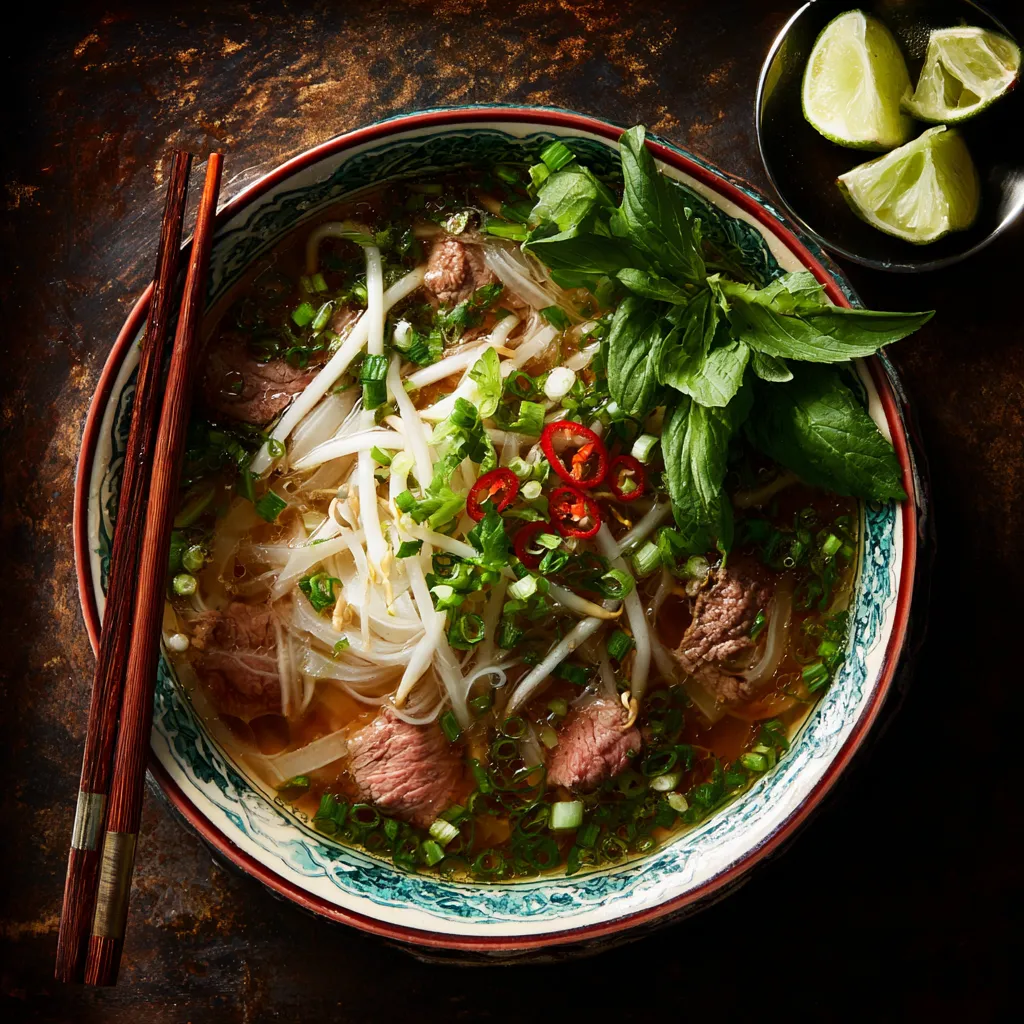
Pho is often served with a variety of garnishes such as fresh herbs, lime wedges, and chili. You can also pair it with a side of Vietnamese spring rolls for a complete meal.
Storing and Reheating Tips
How to Store
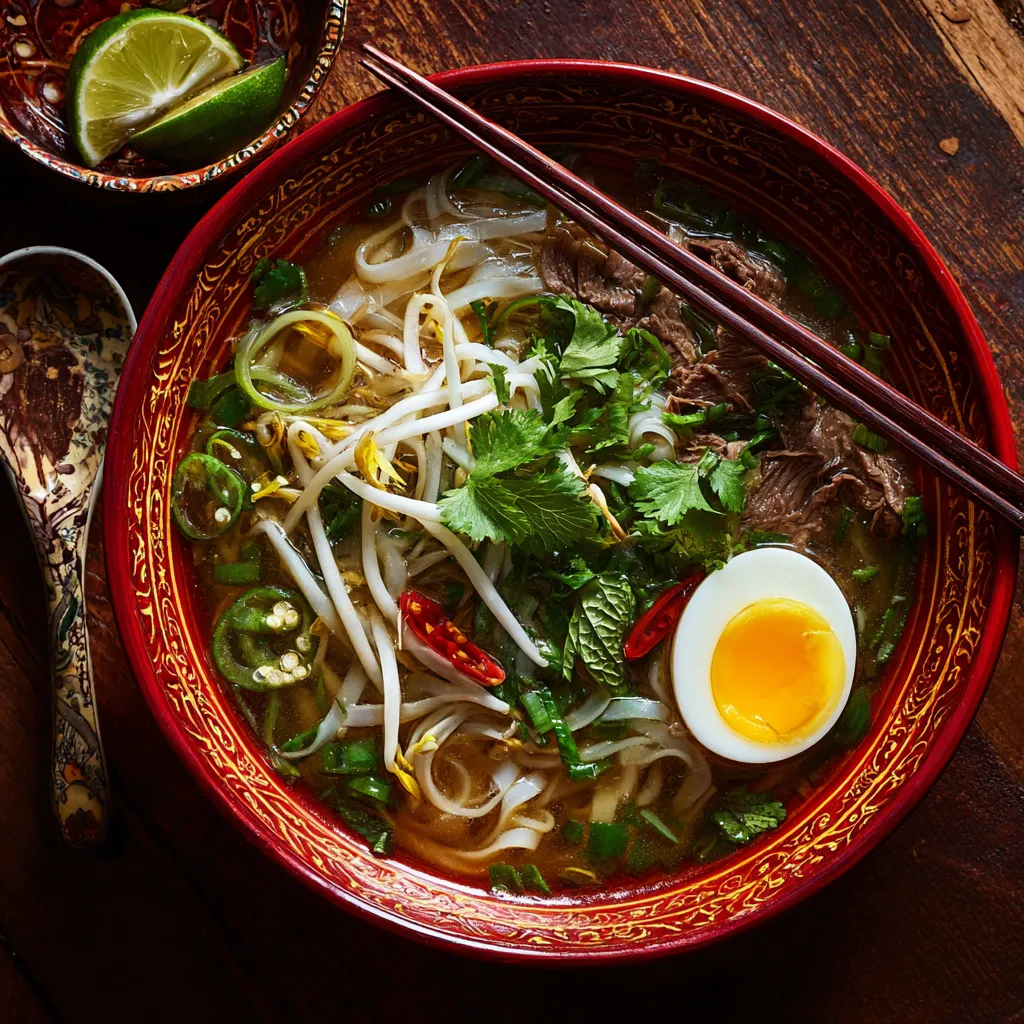
Store leftover pho broth in an airtight container in the refrigerator for up to 3 days. Noodles and fresh herbs should be stored separately to prevent sogginess.
How to Reheat
To reheat the broth, simply warm it on the stove and cook fresh noodles as needed. This will prevent the noodles from becoming too soft.
Health Benefits of flavor enhancer in many pho recipes nyt
Pho is more than just a delicious and comforting dish; it also provides a variety of health benefits, thanks to its balanced ingredients, rich broth, and fresh herbs. Whether you enjoy it for its warming qualities or as a nutrient-packed meal, pho has something to offer in terms of nutrition and wellness.
1. Protein-Rich and Nutrient-Dense
Pho, especially when made with beef or chicken, is a great source of high-quality protein, which is essential for building and repairing tissues in the body. Protein also plays a crucial role in maintaining healthy skin, muscles, and immune function. The broth, made from simmering beef bones or chicken, is also rich in collagen, which is good for joint health and promoting healthy skin.
The addition of flavor enhancers in many pho recipes nyt, such as fish sauce and MSG, helps enhance the savory umami flavor, making the dish more satisfying without the need for extra calories or artificial ingredients. The collagen extracted from bones during the long simmering process also supports joint mobility and contributes to the elasticity of the skin, making pho not only a flavorful meal but also one that benefits your health.
2. High in Essential Vitamins and Minerals
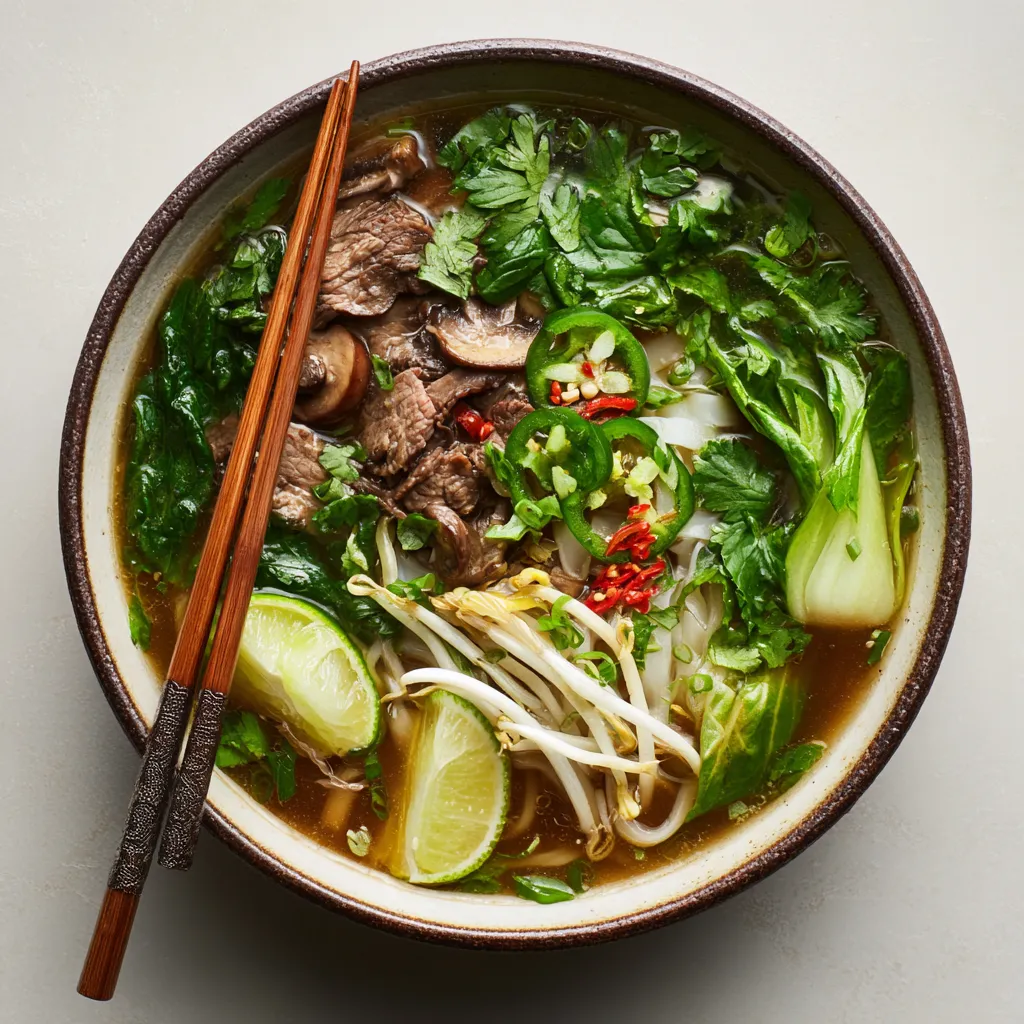
Pho is a nutrient-packed dish, loaded with essential vitamins and minerals. Fresh herbs like cilantro, basil, and mint, which are typically used as garnishes, are rich in antioxidants and provide a significant boost of vitamins A and C. These vitamins are essential for maintaining healthy vision, boosting immunity, and promoting healthy skin.
The flavor enhancers in many pho recipes nyt, especially fish sauce, contribute to providing trace amounts of minerals like calcium, iron, and magnesium. The addition of vegetables, such as bean sprouts, adds fiber, helping with digestion and promoting a healthy gut.
3. Collagen-Rich Broth for Joint and Skin Health
One of the standout health benefits of pho comes from its broth, which is simmered over a long period to extract collagen from beef bones or chicken. Collagen is a protein that helps maintain the elasticity of your skin and supports joint health, making pho a great option for people looking to support their connective tissues and skin health.
The flavor enhancers in many pho recipes nyt, particularly MSG, enhance the natural richness of the broth without overwhelming it with extra sodium. MSG helps elevate the savory notes of the broth, bringing out the collagen-rich flavors while also providing a natural source of umami. This creates a broth that is not only delicious but also packed with nutrients that promote healthy skin, joints, and overall well-being.
Pro Tip: You can make pho even more collagen-rich by adding more bones or cartilage-based cuts (like oxtail or beef brisket) for an extra boost of this essential protein.
4. A Balanced Meal with Healthy Carbs
Pho is traditionally served with rice noodles, a complex carbohydrate that provides energy without causing a spike in blood sugar. Unlike refined carbs, rice noodles are a slower-burning source of energy, making pho a great option for maintaining sustained energy levels throughout the day.
The flavor enhancers in many pho recipes nyt, such as fish sauce and sugar, help balance out the sweetness and savory aspects of the broth, while the rice noodles soak up all the rich flavors, adding a nice texture to the dish. The balance of carbs, protein, and healthy fats (from the broth and meat) makes pho a well-rounded meal that supports energy and satiety.
5. Fresh Herbs and Antioxidants for Detoxification
Fresh herbs like cilantro, basil, and mint are not just for flavor; they are packed with antioxidants that help detoxify the body. These antioxidants fight free radicals, helping to reduce inflammation and protect your cells from oxidative damage. Additionally, herbs like cilantro are known for their detoxifying properties, aiding in the elimination of toxins from the body.
The flavor enhancers in many pho recipes nyt, like MSG, work in harmony with these fresh herbs to elevate the dish’s flavor while keeping it light and healthy. Adding fresh herbs and other garnishes to your pho provides a burst of vitamins and minerals that promote overall health, making pho not only a flavorful meal but also one that aids in digestion and detoxification.
6. Hydration from the Broth
The broth in pho is a liquid-based dish, and consuming it helps with hydration. The long, slow simmering of the broth helps extract not only nutrients but also water from the bones, creating a flavorful liquid that hydrates the body while providing essential minerals. Proper hydration is vital for various bodily functions, including digestion, circulation, and skin health.
When you incorporate flavor enhancers in many pho recipes nyt, like MSG, into your broth, you’re boosting the flavor profile without adding extra sodium or preservatives. The addition of fish sauce and sugar also helps balance the saltiness, ensuring that your pho is nourishing without being overly salty or heavy.
7. A Comforting, Low-Calorie Option
Pho is often seen as a comforting dish, but it doesn’t have to be heavy or high in calories. When made with lean protein like chicken or tofu, pho can be a low-calorie meal that still feels indulgent. The richness of the broth, enhanced by flavor enhancers in many pho recipes nyt, gives the dish depth without adding excessive calories. By using fresh, wholesome ingredients, pho can be enjoyed as a nutritious meal that won’t leave you feeling overly stuffed or sluggish.
Pro Tip: To keep pho on the lighter side, opt for lean meats and load up on the herbs and vegetables. You can also skip or reduce the sugar used in the broth to keep the calorie count lower.
8. Supports Immune Health
The combination of collagen-rich broth, fresh herbs, and flavor enhancers in many pho recipes nyt makes pho an excellent dish for supporting immune health. The fresh herbs provide essential vitamins and antioxidants, while the bone broth helps strengthen your immune system by providing amino acids, which are the building blocks of proteins that support immune function.
Additionally, the MSG used as a flavor enhancer in pho has been shown to have a positive effect on gut health, which is directly linked to overall immunity. By keeping your digestive system healthy, you’re boosting your body’s ability to fight off illnesses.
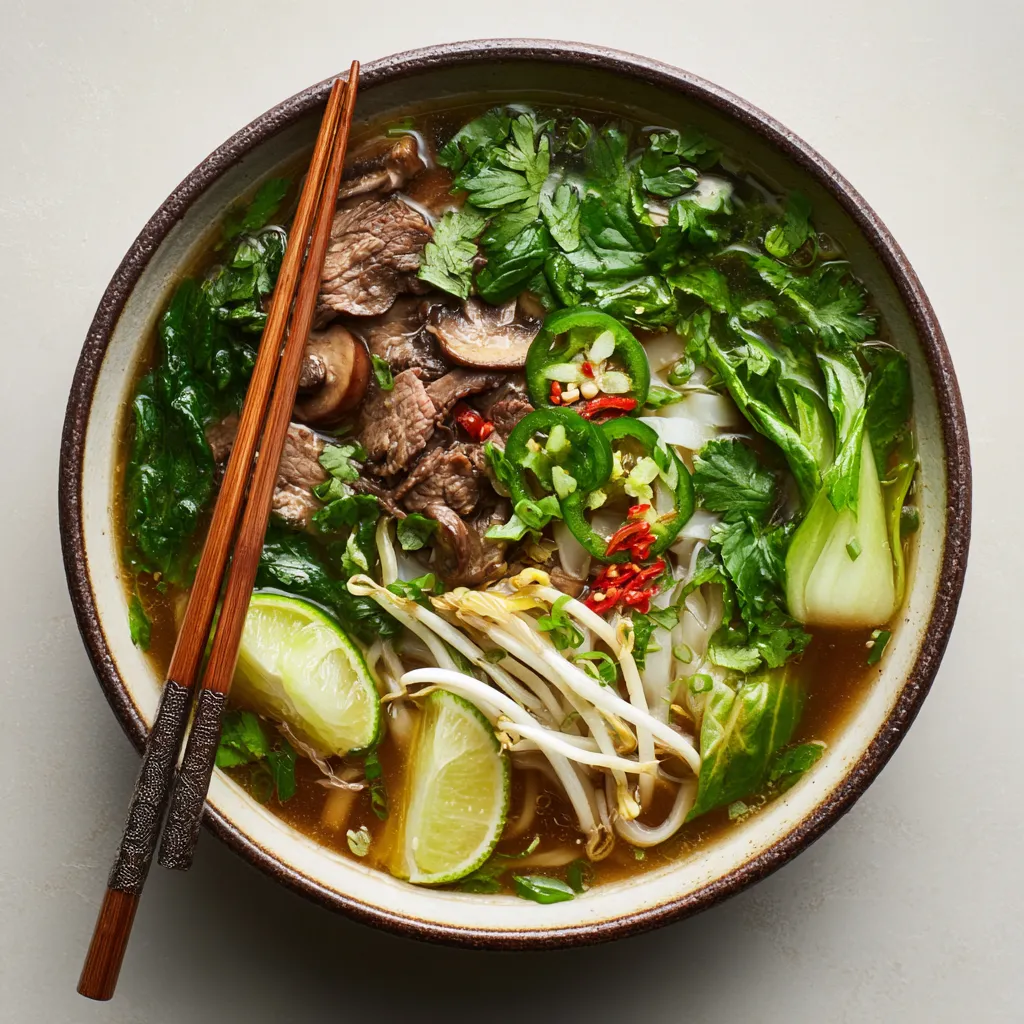
Nutritional Breakdown of flavor enhancer in many pho recipes nyt
| Nutrient | Amount per Serving |
|---|---|
| Calories | 450 kcal |
| Protein | 30g |
| Carbs | 50g |
| Fat | 10g |
| Fiber | 3g |
| Sodium | 850mg |
Pho provides a well-balanced nutritional profile, offering a hearty serving of protein, complex carbohydrates, and a variety of micronutrients from the herbs and broth. The flavor enhancers in many pho recipes nyt, like fish sauce and MSG, help elevate the flavors without compromising the overall health benefits of the dish.
Printable version
4 Simple Steps for Flavor Enhancer in Many Pho Recipes NYT
Equipment
- Large pot or Dutch oven
- Strainer or cheesecloth
- Ladle
- Knife and cutting board
- Stove or cooktop
- Bowls for serving
Ingredients
- 1 lb beef bones or chicken for broth
- 2 tbsp fish sauce
- 1 tsp MSG or substitute
- 2 tbsp sugar
- 1- inch piece ginger charred
- 2-3 star anise
- 1 cinnamon stick
- 500 g rice noodles
- Fresh herbs basil, cilantro, mint
- Lime wedges
- Chili slices optional
Instructions
- Prepare the Broth:Begin by adding beef bones (or chicken) to a large pot of water. Bring to a boil, then reduce the heat to simmer for about 30 minutes, skimming off any impurities that rise to the surface.
- Add Flavor Enhancers:After the broth is clear, add fish sauce, MSG, and sugar. Char the ginger and add it to the pot, along with the star anise and cinnamon stick. Let the broth simmer for 1 to 1.5 hours to develop the flavors.
- Cook the Noodles:While the broth is simmering, cook the rice noodles according to the package instructions. Drain and set aside.
- Assemble the Pho:Divide the cooked noodles into bowls. Ladle the hot broth over the noodles and top with fresh herbs, lime wedges, and chili slices for added flavor. Serve immediately.
Notes
Tips & Tricks for Perfecting Your flavor enhancer in many pho recipes nyt
Pho is a dish that requires both patience and technique to perfect, but with the right tips and tricks, you can take your pho-making skills to the next level. Whether you’re a novice cook or a seasoned chef, these expert tips will help you make a broth that’s rich in flavor and a bowl of pho that’s as close to the authentic experience as possible.
1. Focus on the Broth: It’s All About the Flavor Enhancers
The broth is the heart and soul of pho, and it needs to be rich, aromatic, and deeply flavorful. To achieve this, you need to carefully balance the flavor enhancers in many pho recipes nyt like MSG, fish sauce, and sugar.
- MSG: If you prefer to avoid MSG, you can use natural substitutes like dried shiitake mushrooms, miso, or tamari to enhance the umami flavor of the broth.
- Fish Sauce: Don’t skimp on the fish sauce; it’s a key ingredient that adds a savory depth to the broth. Opt for high-quality fish sauce to avoid any overly salty or artificial-tasting flavors.
- Sugar: A small amount of sugar is often added to balance the savory and salty flavors from the fish sauce and MSG. You can substitute sugar with palm sugar or honey for a more nuanced sweetness.
Pro Tip: Taste your broth frequently as it simmers and adjust the flavor enhancers in many pho recipes nyt to suit your personal taste. Adding a little bit more fish sauce or MSG can dramatically improve the depth of flavor.
2. Char the Ginger and Onion for Extra Depth
For authentic pho flavor, it’s essential to char the ginger and onion before adding them to the broth. This technique imparts a smoky, caramelized flavor to the broth and helps balance the other spices.
- How to Char: Place the onion and ginger directly over an open flame (gas stove or grill) or in a dry pan until the skins are blackened. Afterward, peel the skins off and add the ginger and onion to your broth.
- Why It Works: The charring process intensifies the flavors and adds a subtle smokiness that is characteristic of pho. It’s a small step that has a big impact on the final dish.
Pro Tip: For a more pronounced smoky flavor, you can char the ginger and onion ahead of time and store them in the fridge until you’re ready to use them in the broth.
3. Simmer Slowly for the Best Flavor
Patience is key when making pho broth. While the recipe may call for 1.5 hours of simmering, the longer you let the broth cook, the richer and more flavorful it will become.
- Low and Slow: Bring your broth to a boil, then reduce the heat to a gentle simmer. Let it simmer for at least 1.5 hours, or up to 4-6 hours if you have the time.
- Why It Matters: Slow simmering allows the bones and spices to release all their flavors, giving the broth its deep, complex taste. The longer you cook the broth, the more intense the flavor profile will be.
Pro Tip: If you’re short on time, you can use a pressure cooker or an Instant Pot to cut down the simmering time while still extracting the flavors. Just be sure to use a gentle setting for the best results.
4. Don’t Overcook the Noodles
Rice noodles are the perfect base for pho, but they need to be handled carefully. Overcooked rice noodles will become mushy and lose their delicate texture.
- How to Cook Noodles: Cook the rice noodles just until they’re al dente, then drain them immediately. If you plan to store them for later use, rinse the noodles under cold water to stop the cooking process and prevent them from sticking together.
- Why It Works: Pho noodles should retain their texture and soak up the flavorful broth without falling apart. This is why timing is essential when cooking rice noodles.
Pro Tip: If you’re serving pho in batches, keep the noodles and broth separate until ready to serve. This will ensure that the noodles remain firm and don’t become soggy while sitting in the broth.
5. Use Fresh Herbs Generously
Fresh herbs are essential in pho, as they add brightness, freshness, and aroma to the dish. Common pho herbs include basil, cilantro, and mint. These herbs are added at the very end, so they retain their flavor and fragrance when the pho is served.
- Herb Tips: Offer your guests an assortment of fresh herbs on the side, so they can customize their pho to their liking. You can also add sliced chili, bean sprouts, and lime wedges for extra flavor and texture.
- Why It Works: The herbs and garnishes bring a vibrant, refreshing contrast to the rich, savory broth, creating a balanced and complex bowl of pho.
Pro Tip: If you want to make your pho even more aromatic, add a sprig of Thai basil to the broth while it simmers for a subtle, unique flavor. It’s a common technique used in Vietnamese street food pho stalls.
6. Don’t Forget the Lime and Chili
Lime wedges and sliced chili peppers are key to bringing out the full flavor of your pho. A squeeze of lime adds a touch of acidity that cuts through the richness of the broth, while chili provides a nice kick of heat.
- Lime: Make sure to offer fresh lime wedges on the side, as the acidity balances the salty and savory components of the broth.
- Chili: Adjust the chili to your spice tolerance. Whether you use Thai bird’s eye chilies or jalapeños, the heat from the chili will elevate the flavor and make your pho more exciting.
Pro Tip: For an extra zing, infuse your pho broth with a little lime zest while it simmers. This will create a more vibrant citrus note without being overly tangy.
7. Serve Pho Immediately for Maximum Freshness
Pho is best enjoyed immediately after it’s made to preserve the freshness of the broth, noodles, and herbs. Don’t let pho sit for too long, as the noodles will absorb the broth and lose their delicate texture.
- Why It Works: Pho is all about balance, and the contrast between the hot broth, tender meat, and fresh herbs makes each bite a delightful experience. Serving pho immediately ensures that the flavors are at their peak.
Pro Tip: If you have leftover broth, store it separately from the noodles and herbs. This will allow you to enjoy fresh pho whenever you want by simply reheating the broth and preparing the noodles.
8. Experiment with Toppings and Proteins
While beef and chicken are the most common proteins used in pho, there’s no rule against experimenting with other toppings and proteins. You can try:
- Tofu: Perfect for vegetarians or those who prefer plant-based meals. Tofu will absorb the flavors of the broth, adding a rich texture.
- Fish or Shrimp: If you want to try something different, fish or shrimp can be great alternatives to beef or chicken, adding a lighter, oceanic flavor to the dish.
- Offal: Traditional pho often includes cuts like tripe, tendon, and beef brisket. These offer unique textures and flavors that are beloved in authentic pho recipes.
Pro Tip: For extra richness, add a soft-boiled egg as a topping. The creamy yolk will complement the savory broth and create a more indulgent pho experience.
FAQs
1. What is the role of flavor enhancers in pho?
Flavor enhancers in many pho recipes nyt, like MSG and fish sauce, are essential for creating the savory depth and complexity that pho is known for. These ingredients enhance the natural umami flavors in the broth, making it more aromatic and balanced. By using these flavor enhancers, you can achieve a rich, delicious broth that is the hallmark of a perfect pho.
2. Can I make pho without MSG?
Yes! While flavor enhancers in many pho recipes nyt like MSG are commonly used to bring out the umami richness in pho, you can still make a flavorful broth without it. Alternatives such as mushrooms, miso paste, or soy sauce can provide a similar depth of flavor. However, using fish sauce or other seasonings is key to ensuring your pho has the right balance of savory and salty notes.
3. How do flavor enhancers like MSG affect pho broth?
Flavor enhancers in many pho recipes nyt, especially MSG, help to deepen the umami profile of the broth. They amplify the natural flavors from the bones, spices, and herbs in pho, ensuring the broth is rich and savory without overwhelming it with saltiness. This subtle enhancement makes the broth taste fuller, smoother, and more satisfying.
4. Are there any healthier alternatives to traditional flavor enhancers in pho?
If you’re looking to avoid traditional flavor enhancers in many pho recipes nyt like MSG, there are plenty of alternatives. For example, you can use tamari, shiitake mushrooms, or kombu to achieve a similar umami flavor without the use of MSG. Some people also opt for coconut aminos as a soy sauce substitute to provide a more natural savory profile.
5. How can I customize the flavor enhancers in pho?
Flavor enhancers in many pho recipes nyt are quite versatile and can be adjusted to suit your personal preferences. You can increase the amount of fish sauce for more saltiness, add more sugar to balance the broth’s sweetness, or use less MSG if you prefer a more natural flavor. Experimenting with the right balance of these ingredients allows you to create a pho broth tailored to your taste.
6. Can I use store-bought pho broth instead of making it from scratch?
While it’s possible to use store-bought pho broth, homemade broth is always more flavorful, especially when you incorporate flavor enhancers in many pho recipes nyt. Store-bought versions might lack the depth and complexity that comes from simmering bones and spices for hours. However, if you’re in a pinch, you can enhance store-bought broth with additional fish sauce, MSG, or sugar to bring it closer to the authentic taste.
7. How do I know if my pho broth has the right balance of flavor enhancers?
The key to a great pho broth is balance. If you’re using flavor enhancers in many pho recipes nyt, taste your broth frequently as it simmers. The broth should have a savory depth from the fish sauce and MSG, with a slight sweetness from the sugar, and a well-rounded spice profile from the herbs and charred ginger. If it tastes too salty, add a little sugar. If it lacks depth, increase the fish sauce or MSG slightly.
8. Can I make pho vegetarian or vegan?
Absolutely! You can easily adjust flavor enhancers in many pho recipes nyt to create a vegetarian or vegan pho. Instead of beef bones, use vegetable broth or a rich mushroom stock as your base. For flavor enhancers, replace fish sauce with soy sauce or coconut aminos, and use plant-based proteins like tofu or tempeh instead of meat. The flavor enhancers will still bring out the rich, savory taste in the broth, making the pho just as delicious.
9. Can I store leftover pho broth?
Yes! Leftover pho broth can be stored in an airtight container in the refrigerator for up to 3-4 days. To store it properly, make sure to cool it down first, and then refrigerate it. The flavor enhancers in many pho recipes nyt will continue to develop, and reheating the broth before serving will give you that rich, delicious taste again.
10. What are the essential flavor enhancers in many pho recipes nyt I shouldn’t skip?
The two most essential flavor enhancers in many pho recipes nyt are fish sauce and MSG. Fish sauce provides a savory, umami flavor, while MSG amplifies the natural richness of the broth. Sugar is another important enhancer to balance out the saltiness and create a well-rounded flavor profile. These ingredients are key to achieving the depth and complexity pho is known for.
Conclusion
Pho is a comforting, flavorful dish that brings together the best of Vietnamese cuisine. By understanding the role of flavor enhancers in many pho recipes nyt, like MSG, fish sauce, and sugar, you can create a rich, aromatic broth that will make your pho a memorable meal. Try this recipe at home and enjoy the authentic flavors of pho!
Call to Action: Share Your Experience!
We’d love to hear how your pho turned out! Share your comments, rate the recipe, or share your pho experience on social media using #PhoRecipeNYT.