

Table of Contents
The Island Soyaki Chicken Recipe is a delicious fusion of two culinary traditions: the bold, savory flavors of soy sauce and the sweetness of teriyaki sauce, combined with tropical island-inspired ingredients like pineapple, ginger, and lime. This unique blend of flavors offers a perfect balance of sweetness, tanginess, and richness, making it a standout dish for any occasion. Whether you choose to grill bake or pan-fry the chicken, this easy-to-follow recipe guarantees a flavorful and satisfying experience.
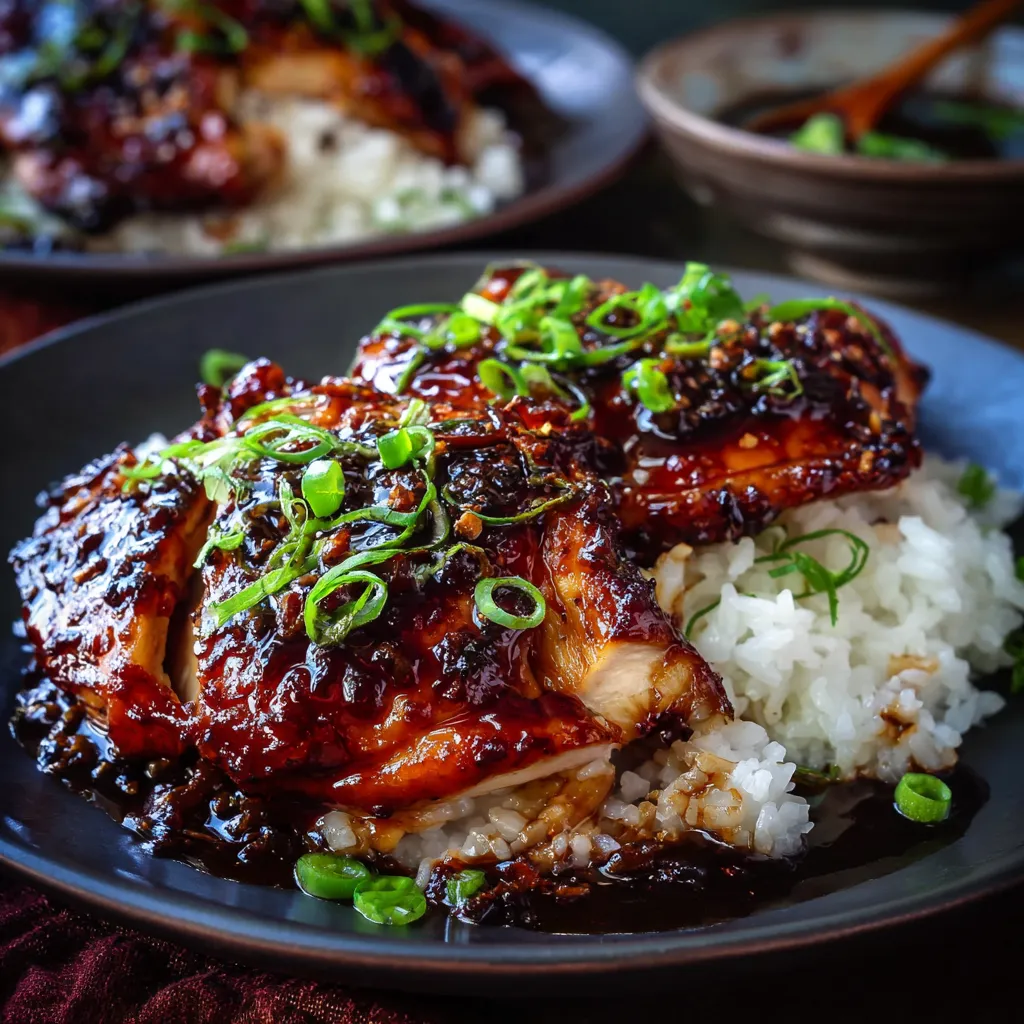
In this comprehensive guide, we will not only go over the recipe itself but also explore the ingredients in greater detail, share tips and tricks to ensure the best results, offer variations and substitutions, and discuss how to serve the dish for maximum flavor. By the end, you’ll have a thorough understanding of how to prepare this delightful dish and make it your own.
What Is Soyaki Sauce?
The Origins of Soyaki Sauce
Before diving into the Island Soyaki Chicken Recipe, it’s essential to understand the concept behind soyaki sauce, which serves as the key ingredient for the marinade. Soyaki is a hybrid sauce that blends the rich umami of soy sauce with the sweetness of teriyaki sauce, often incorporating tropical, island-inspired ingredients such as pineapple, ginger, and lime.
The word “soyaki” is a combination of soy sauce and teriyaki, two iconic ingredients in Asian cuisine. Traditionally, teriyaki sauce is made from soy sauce, sugar (usually brown sugar), and various seasonings like garlic and ginger. Soyaki, however, adds a touch of island-inspired sweetness, acidity, and depth, making it an ideal fit for this recipe.

Soyaki sauce is often associated with Japanese cuisine but has strong ties to Hawaiian and other Pacific island flavors. The incorporation of pineapple, lime, and ginger transforms this sauce into something fresh, tropical, and vibrant, elevating dishes like chicken, fish, tofu, and even vegetables.
Why Soyaki?
Soyaki sauce is versatile and can be used as both a marinade and a cooking sauce. The saltiness of the soy sauce is balanced by the sweetness of brown sugar or honey, while the ginger and garlic bring aromatic depth. The tang from pineapple or lime adds freshness, making it the perfect accompaniment to meats like chicken, pork, or seafood.
When used as a marinade for chicken, soyaki infuses the meat with layers of sweet, savory, and tangy flavors. The sugar in the soyaki sauce caramelizes slightly when grilled or pan-fried, creating a rich, golden-brown crust on the chicken while preserving its juiciness inside.
The use of sesame oil in soyaki sauce adds a nutty depth of flavor that enhances the overall profile, distinguishing it from traditional teriyaki sauces.
Island Soyaki Chicken: Recipe Overview
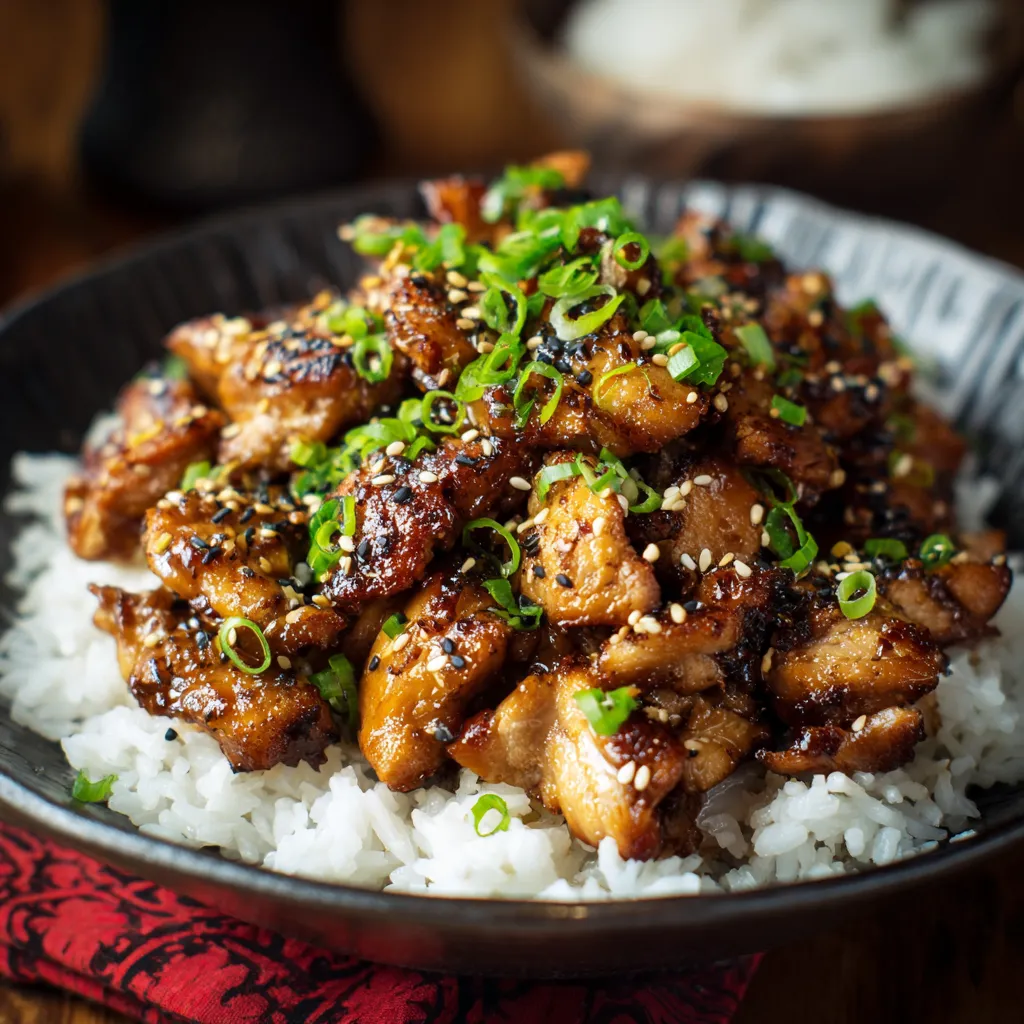
The Island Soyaki Chicken Recipe combines tropical flavors with classic Asian marinades, creating a unique and satisfying dish. The primary ingredients are simple but packed with bold flavors. Below, we will break down the ingredients, offer step-by-step instructions, and provide cooking methods that will allow you to customize this recipe to your taste.
Key Ingredients for Island Soyaki Chicken Recipe
Before you start cooking, let’s take a closer look at the essential ingredients that come together to make this dish a standout.
Chicken: The Perfect Protein
For this Island Soyaki Chicken Recipe, boneless, skinless chicken thighs are recommended. Chicken thighs are ideal because they are naturally juicier and more flavorful than chicken breasts. The fat content in thighs ensures that they remain tender and moist after cooking, making them perfect for marinades. Their texture holds up well to grilling or pan-frying, allowing them to absorb the flavors of the soyaki sauce.
If you prefer chicken breasts, you can use them as well, but be careful not to overcook them, as they tend to dry out faster than thighs. Chicken drumsticks or wings can also be used for a more casual, fun meal, especially if you’re grilling.
For a plant-based version, you can substitute tofu or tempeh. Both options will absorb the flavors of the soyaki marinade, and tofu, when pressed to remove excess moisture, becomes a great alternative protein.
Soy Sauce: The Base of the Marinade
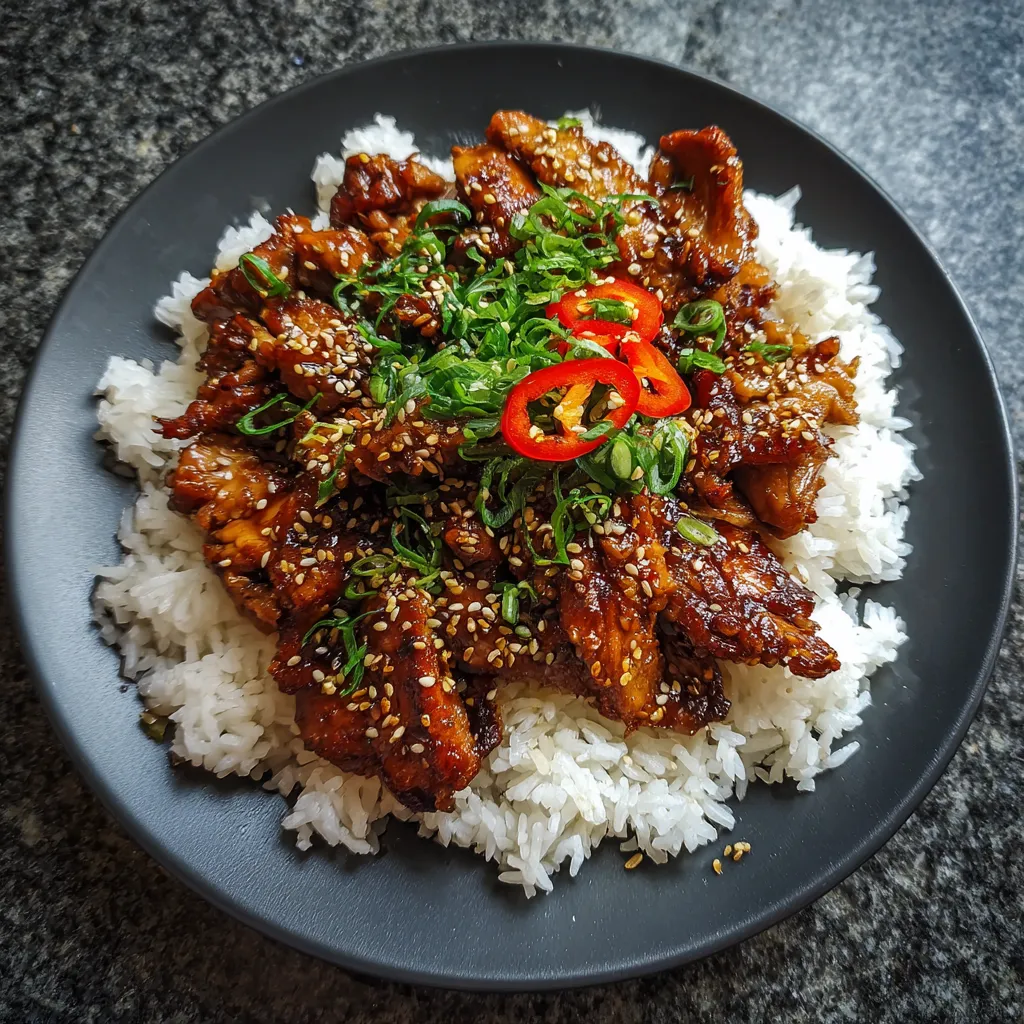
Soy sauce is the foundation of any soyaki recipe. The saltiness of soy sauce is essential for the savory, umami flavor of the marinade. There are two main types of soy sauce: regular and low-sodium. If you’re looking to reduce the salt content, opt for low-sodium soy sauce.
Regular soy sauce provides a deeper, richer flavor, while low-sodium soy sauce allows the other ingredients to shine without being overly salty. Tamari is a gluten-free alternative to soy sauce if you’re looking for a gluten-free option.
Honey or Brown Sugar: Sweetness and Balance
Both honey and brown sugar are used in this recipe to balance the saltiness of the soy sauce. Honey adds a floral sweetness and a smooth texture to the sauce, while brown sugar gives it a richer, deeper flavor with hints of molasses. You can use either one depending on your preference, but both work wonderfully to complement the tangy pineapple and lime flavors.
If you’re looking to reduce sugar intake, you can substitute stevia or monk fruit for a healthier option.
Pineapple Juice or Fresh Pineapple: Tropical Sweetness
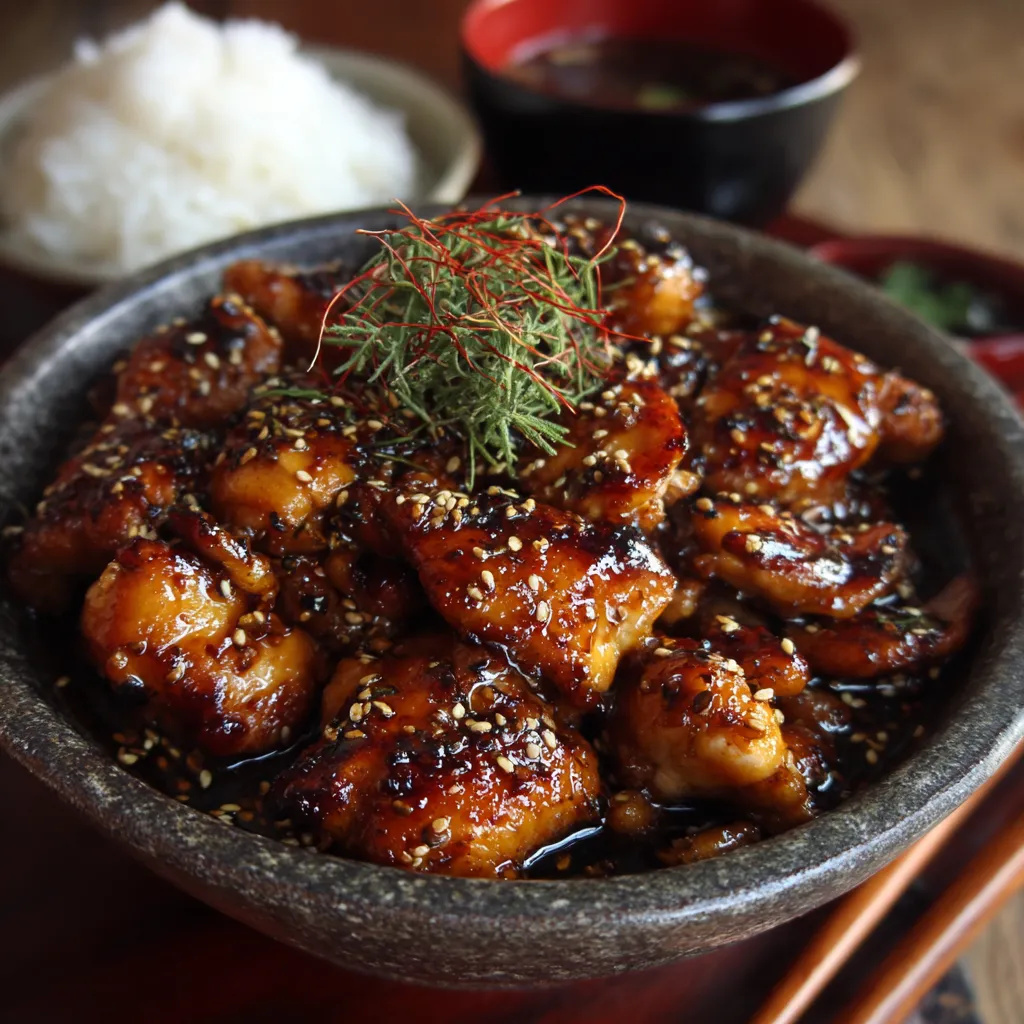
Pineapple is the tropical heart of this recipe. The natural acidity and sweetness of pineapple bring a refreshing contrast to the savory soy sauce. You can use canned pineapple juice, but for the freshest, most vibrant flavor, it’s best to use fresh pineapple. Blend fresh pineapple into a puree to release its juice, and add it to the marinade for a smoother texture and more intense flavor.
Lime or Lemon Juice: Brightness and Zing
The acidity of lime or lemon juice adds a bright, zesty contrast to the sweetness of the pineapple and sugar. Freshly squeezed lime or lemon juice brings a citrusy zing to the dish, balancing out the richness of the soyaki sauce. If you prefer a more pronounced citrus flavor, use lime for a tangy, refreshing taste.
Garlic and Ginger: Aromatics for Depth
Fresh minced garlic and freshly grated ginger are key ingredients in soyaki sauce, providing aromatic depth and complexity to the marinade. Garlic adds pungency and warmth, while ginger provides a mild heat and spiciness that complements the sweetness of the pineapple and the acidity of the lime.
Sesame Oil: A Nutty Touch
Sesame oil brings a toasted, nutty flavor to the soyaki sauce. This ingredient is crucial for achieving the authentic taste of soyaki. Use toasted sesame oil for a more pronounced flavor. The nutty aroma of sesame oil works wonderfully with the tropical elements in the marinade, creating a balanced, savory profile.
Sesame Seeds and Green Onions: Garnish for Texture and Freshness
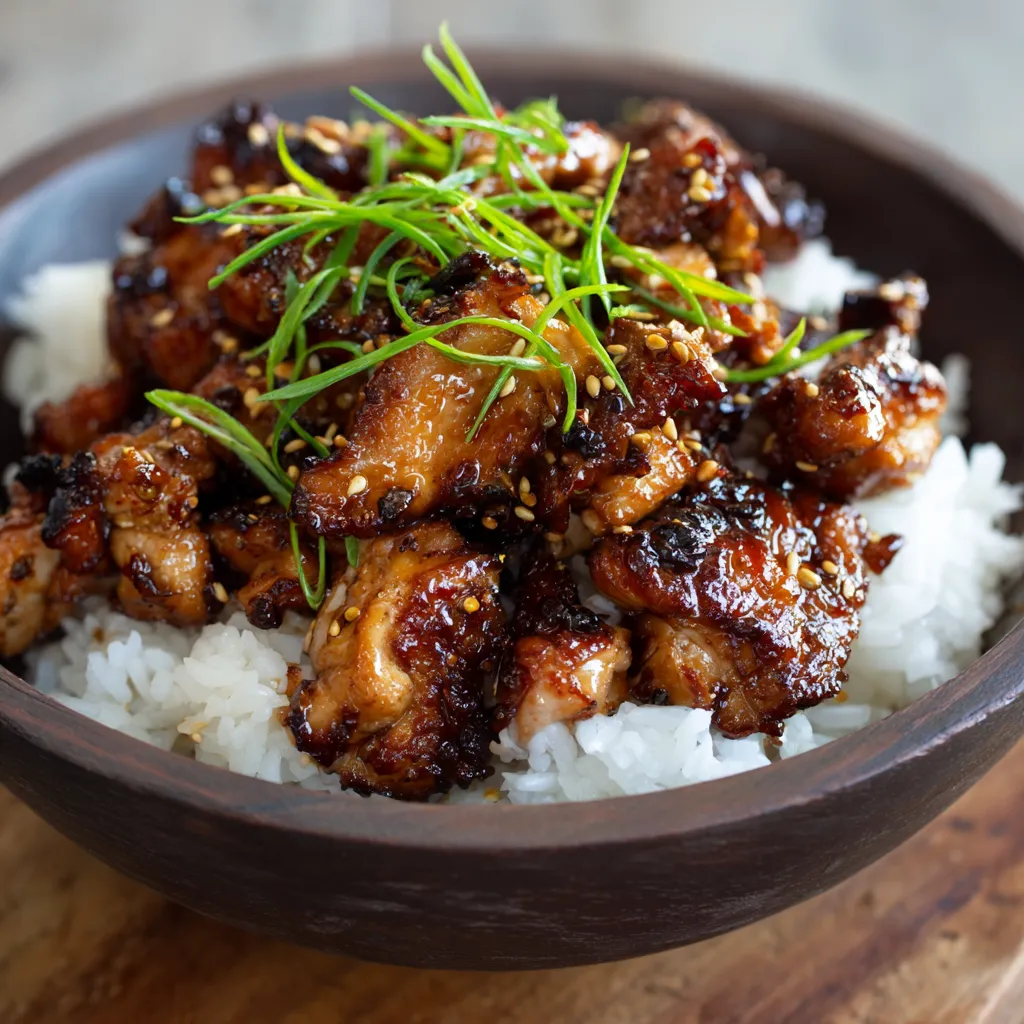
While optional, sesame seeds add a delightful crunch and extra depth to the flavor of the chicken. Sprinkle toasted sesame seeds over the cooked chicken for an added touch of nuttiness.
Green onions (scallions) provide a fresh, mildly peppery flavor that complements the richness of the chicken and the soyaki sauce. Chop and sprinkle green onions over the cooked chicken just before serving for a burst of color and freshness.
Step-by-Step Instructions for Making Island Soyaki Chicken
Now that we’ve covered the ingredients, let’s break down the Island Soyaki Chicken Recipe step by step. These easy-to-follow instructions ensure that you’ll achieve a perfectly balanced dish every time.
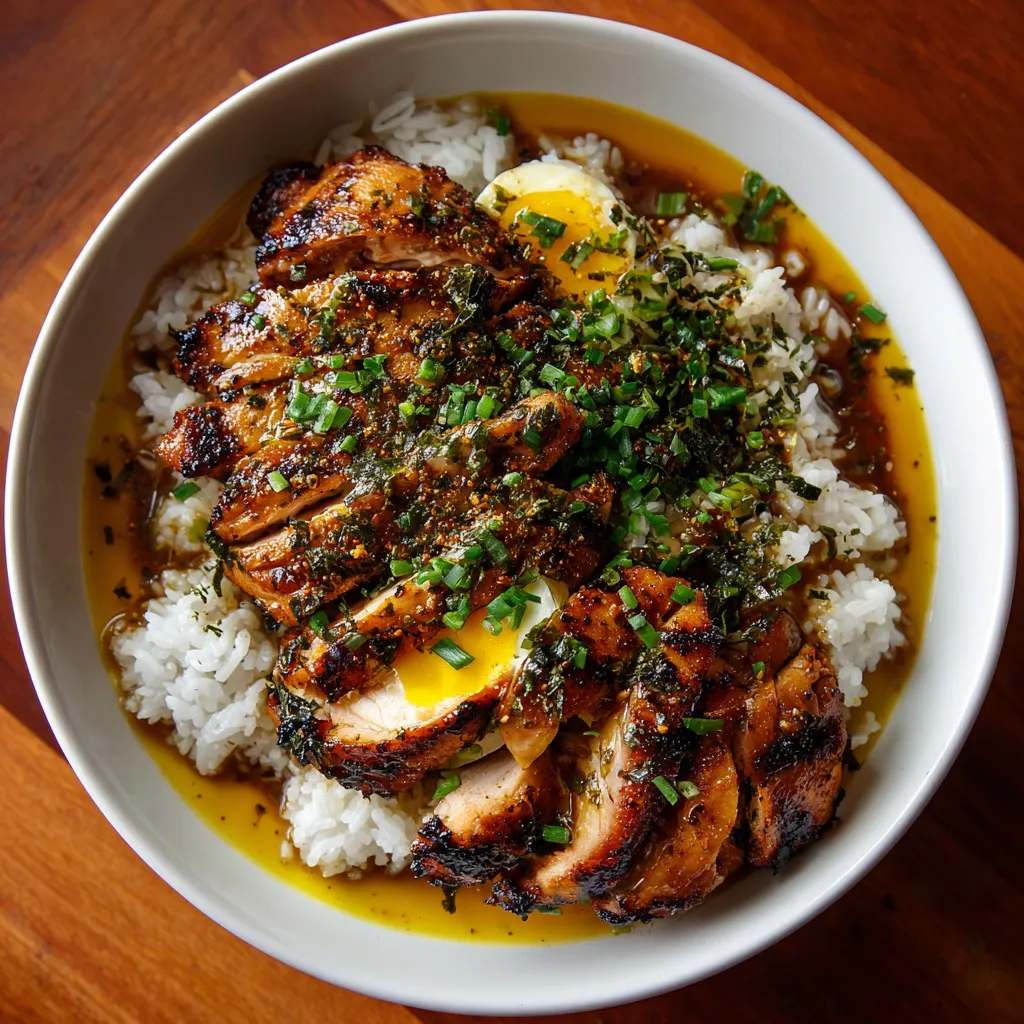
1. Preparing the Marinade
Start by making the soyaki marinade. In a large bowl, combine the following ingredients:
- 1/4 cup soy sauce
- 2 tablespoons honey or brown sugar
- 2 tablespoons pineapple juice (or 1/4 cup finely chopped fresh pineapple)
- 1 tablespoon fresh lime juice (or lemon juice)
- 2 garlic cloves, minced
- 1 tablespoon freshly grated ginger
- 1 teaspoon sesame oil (toasted sesame oil is preferred)
Whisk the ingredients together until the sugar dissolves completely and the marinade becomes smooth and fragrant. This is where the magic happens: the combination of savory, sweet, and tangy elements will infuse your chicken with incredible flavor.
2. Marinating the Chicken
Once the marinade is ready, place your boneless, skinless chicken thighs (or chicken breasts) into a shallow dish or a resealable plastic bag. Pour the soyaki marinade over the chicken, making sure each piece is well-coated.
Seal the bag or cover the dish and refrigerate for at least 30 minutes, though for the best flavor, marinate for 4 hours or overnight. The longer the chicken marinates, the more flavorful it becomes as the sauce penetrates the meat.
3. Cooking Methods: Grilling, Baking, or Pan-Frying
The beauty of this recipe lies in its versatility. You can choose the cooking method that best suits your preference:
Grilling the Chicken
- Preheat your grill to medium-high heat.
- Place the marinated chicken on the grill and cook for about 6-8 minutes per side until the internal temperature reaches 165°F (74°C).
- If desired, baste the chicken with the reserved marinade during grilling for extra flavor.
- Let the chicken rest for 5 minutes before serving.
Baking the Chicken
- Preheat your oven to 375°F (190°C).
- Place the marinated chicken on a baking sheet lined with parchment paper or aluminum foil.
- Bake for about 25-30 minutes, flipping the chicken halfway through.
- Use a meat thermometer to ensure the internal temperature reaches 165°F (74°C).
- Allow the chicken to rest for 5 minutes before slicing.
Pan-Frying the Chicken
- Heat a tablespoon of oil (vegetable or canola oil) in a large skillet over medium heat.
- Once the oil is hot, add the marinated chicken to the pan and cook for 6-8 minutes per side, or until golden brown and cooked through.
- Let the chicken rest for 5 minutes before slicing.
Serving Suggestions
Once your Island Soyaki Chicken is cooked, it’s time to serve! Here are some serving ideas to complement the flavors of this dish:
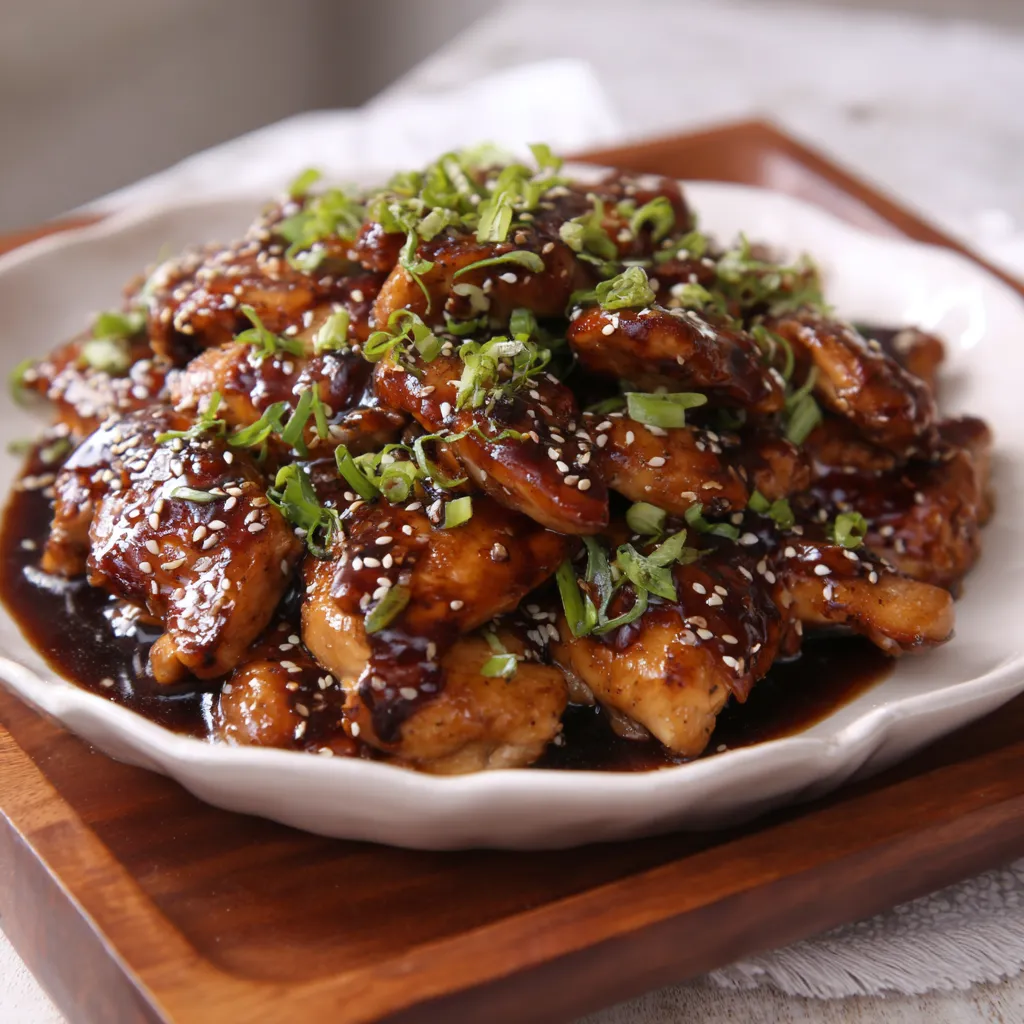
- Steamed Jasmine Rice: The fragrant, slightly sticky texture of jasmine rice pairs perfectly with the bold flavors of soyaki chicken.
- Grilled Vegetables: A smoky contrast to the sweetness of the chicken, grilled vegetables such as zucchini, bell peppers, and corn make the perfect side dish.
- Tropical Fruit Salad: A refreshing fruit salad with mango, papaya, and pineapple adds a burst of freshness to balance out the richness of the chicken.
- Asian-Inspired Slaw: A slaw made with cabbage, carrots, and a tangy sesame dressing brings a crunchy and light texture to the meal.
Health Considerations for Island Soyaki Chicken Recipe
The Island Soyaki Chicken Recipe is not only delicious but can also be part of a healthy, balanced meal. However, as with any dish, there are a few considerations to keep in mind to ensure that it aligns with your dietary needs and preferences. Below are several health factors to consider when preparing this flavorful and nutritious dish:
1. Sodium Content and How to Reduce It
Soy Sauce is a key ingredient in the Island Soyaki Chicken Recipe, and while it provides deep, rich umami flavor, it can also contribute a significant amount of sodium to the dish. Consuming too much sodium over time can lead to high blood pressure and other cardiovascular problems. For individuals monitoring their sodium intake, here are some strategies to reduce the sodium content in your Island Soyaki Chicken Recipe:
- Low-Sodium Soy Sauce: One of the simplest ways to reduce sodium is to use low-sodium soy sauce. This alternative contains about 40% less sodium than regular soy sauce, without compromising the flavor. Many brands of low-sodium soy sauce are available, so it’s easy to substitute without altering the dish’s core flavor in your Island Soyaki Chicken Recipe.
- Tamari: If you follow a gluten-free diet, consider using tamari. It’s similar to soy sauce but typically lower in sodium and gluten-free. It has a rich, savory flavor that will still work well in the Island Soyaki Chicken Recipe.
- Coconut Aminos: Another alternative is coconut aminos, a soy-free, gluten-free, and lower-sodium alternative to soy sauce. It’s made from the sap of coconut trees and has a slightly sweeter flavor, which can add a subtle twist to the marinade in your Island Soyaki Chicken Recipe.
- Dilution: If you’re concerned about the salt content but prefer using regular soy sauce, you can dilute it slightly with water. This will reduce the sodium per serving while still maintaining the base flavor of the Island Soyaki Chicken Recipe. You can also balance out the reduction in saltiness by adding more of the other flavorings, such as garlic, ginger, or lime juice.
2. Sugar and Sweetener Options
The sugars in this recipe, primarily honey or brown sugar, are essential to the soyaki marinade’s sweet-savory balance. However, these sugars also contribute to the overall calorie and carbohydrate content of the Island Soyaki Chicken Recipe. For those watching their sugar intake, whether for weight management, diabetes, or overall health, there are options to reduce sugar while still enjoying this dish.
- Natural Sweeteners: To keep the Island Soyaki Chicken Recipe healthier, you can replace honey or brown sugar with natural, low-calorie sweeteners such as stevia, monk fruit sweetener, or erythritol. These sugar substitutes don’t spike blood sugar levels, making them a better option for people managing blood sugar levels or looking to cut calories.
- Coconut Sugar: If you’re aiming for a more natural alternative, coconut sugar can be a great option. It has a lower glycemic index than regular sugar, which means it won’t cause rapid spikes in blood sugar. It also retains some of the natural minerals found in coconut sap, making it a healthier alternative in the Island Soyaki Chicken Recipe.
- Maple Syrup: Another option is maple syrup, which provides a unique depth of flavor and is lower on the glycemic index than regular white sugar. However, it still contains sugar, so it should be used in moderation in the Island Soyaki Chicken Recipe.
While reducing sugar, keep in mind that sweetness is a crucial component of the Island Soyaki Chicken Recipe, and any substitutes should be adjusted to taste. Remember that the goal is to maintain a balance between sweetness and savory elements like soy sauce and sesame oil.
3. Calorie and Fat Content
The calorie content of Island Soyaki Chicken largely comes from the chicken itself, the soyaki marinade (especially from honey, sesame oil, and brown sugar), and any oils used for cooking. While chicken thighs are recommended for their flavor and juiciness, they tend to be higher in fat compared to chicken breasts. If you are watching your fat intake, here are a few suggestions:
- Skinless Chicken Breasts: You can substitute boneless, skinless chicken breasts for a leaner option. Chicken breasts have significantly less fat than thighs and will still absorb the flavor of the marinade. Just be careful not to overcook them, as they can dry out faster than thighs in the Island Soyaki Chicken Recipe.
- Trimming Visible Fat: If you’re using chicken thighs, make sure to trim any visible fat before cooking. This can help reduce the overall fat content of the Island Soyaki Chicken Recipe.
- Grilling or Baking Over Frying: To keep the fat content lower, grill or bake the chicken instead of frying it. Pan-frying often requires additional oil, which can increase the overall fat and calorie content of the dish. Grilling and baking allow the fat in the chicken to render out, reducing the final fat content. Choose these methods when preparing the Island Soyaki Chicken Recipe for a healthier option.
4. Fiber Content
While chicken itself provides protein, Island Soyaki Chicken on its own lacks significant fiber. However, you can easily increase the fiber content by pairing the dish with high-fiber sides. Some ideas for boosting fiber in your Island Soyaki Chicken Recipe include:
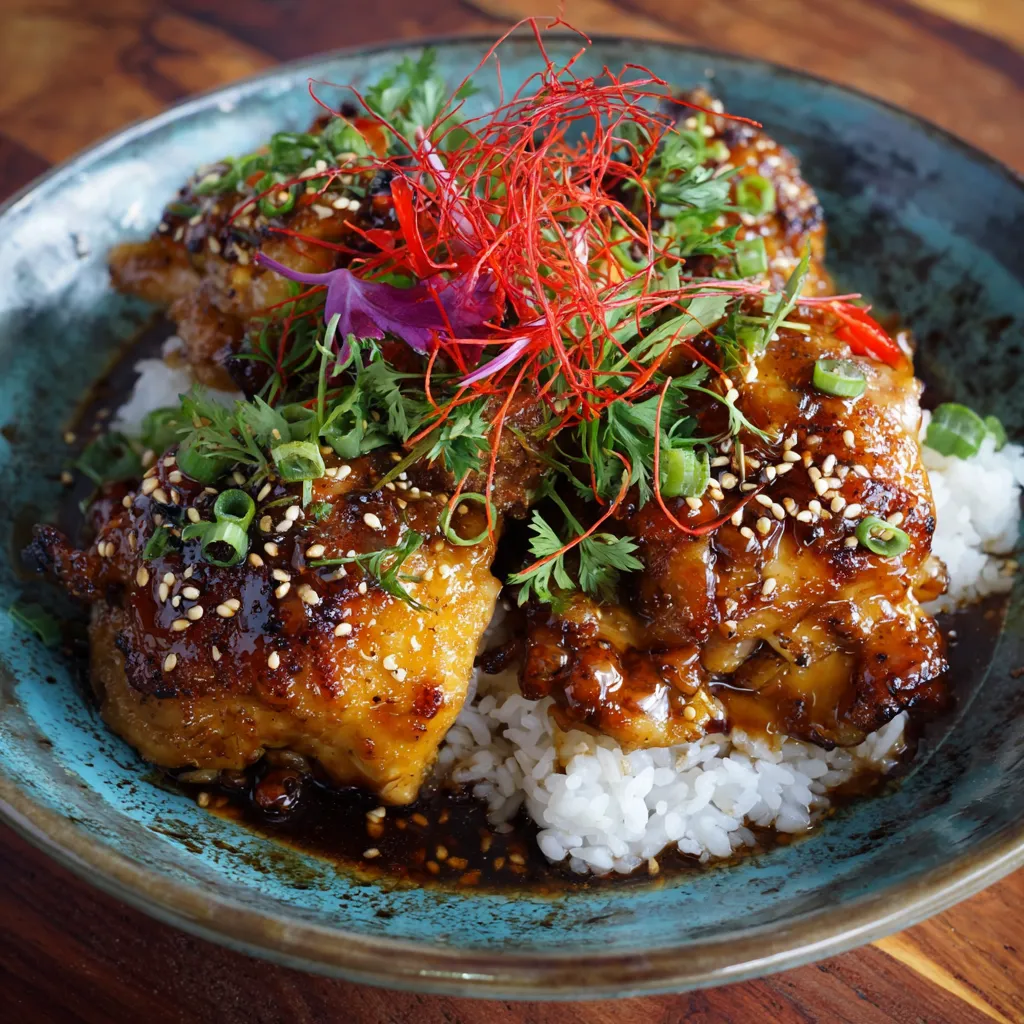
- Whole Grains: Serve the chicken over quinoa, brown rice, or wild rice to increase the fiber content of the meal. These grains are higher in fiber compared to white rice and provide additional nutrients like B vitamins and minerals.
- Vegetables: Pair your Island Soyaki Chicken with high-fiber vegetables, such as steamed broccoli, sautéed spinach, or roasted Brussels sprouts. Adding these vegetables not only boosts fiber but also enhances the nutritional value of the meal.
- Leafy Greens: A side salad made with leafy greens like kale, arugula, or mixed greens can also provide an additional fiber boost. Top the salad with a light vinaigrette dressing or even some of the soyaki sauce from your Island Soyaki Chicken Recipe for added flavor.
5. Gluten-Free Options
For those following a gluten-free diet, there are several simple swaps you can make to ensure the Island Soyaki Chicken Recipe is safe to eat.
- Soy Sauce Substitutes: As mentioned earlier, tamari and coconut aminos are both gluten-free alternatives to regular soy sauce. Tamari is made from fermented soybeans and typically contains no wheat, while coconut aminos is made from the sap of coconut trees and is naturally gluten-free.
- Marinade Considerations: If you’re using a pre-made soyaki sauce, always double-check the ingredients for gluten. Many commercially prepared sauces contain wheat as part of the soy sauce, so it’s important to choose gluten-free options if necessary in your Island Soyaki Chicken Recipe.
6. Balanced Meal Considerations
To make Island Soyaki Chicken a complete and balanced meal, it’s important to focus on the macronutrient composition. A balanced meal typically includes a source of protein, healthy fats, and fiber-rich carbohydrates. Here’s how you can balance the meal:
- Protein: The chicken or tofu provides lean protein, which is essential for muscle repair and overall body function. The Island Soyaki Chicken Recipe ensures you’re getting enough protein to support these processes.
- Healthy Fats: Sesame oil is a healthy fat source, providing omega-3 and omega-6 fatty acids. If you choose to add avocado to the dish or include healthy oils in your side dishes (like olive oil for salads), you’ll boost your intake of beneficial fats, which are crucial for heart health and proper nutrient absorption in the Island Soyaki Chicken Recipe.
- Fiber-Rich Carbs: Choose whole grains like quinoa, brown rice, or cauliflower rice as a base to pair with the chicken. These options provide fiber that supports digestion and helps regulate blood sugar levels. Adding fiber-rich sides will round out the meal and make it more filling, ensuring that your Island Soyaki Chicken Recipe keeps you satisfied longer.
Frequently Asked Questions (FAQs)
1.breasts instead of thighs for the Island Soyaki Chicken?
Yes, you can use chicken breasts instead of thighs in the Island Soyaki Chicken Recipe. However, chicken breasts tend to dry out faster than thighs, so it’s essential to monitor the cooking time carefully. Chicken breasts are leaner, which may affect the overall richness of the dish, but they will still absorb the flavors of the soyaki marinade. Be sure to check the internal temperature and avoid overcooking to keep them moist.
2. Can I make the Island Soyaki Chicken recipe in advance?
Absolutely! The Island Soyaki Chicken can be marinated and stored in the refrigerator for up to 24 hours before cooking. Marinating the chicken for an extended period will allow the flavors to penetrate deeply, making the dish even more flavorful. If you prefer, you can also cook the chicken in advance and store it in an airtight container in the refrigerator for up to 3 days. Simply reheat the chicken before serving.
3. Can I use a different protein like tofu or tempeh?
Yes, the Island Soyaki Chicken Recipe is versatile and can be adapted for a plant-based meal. Tofu or tempeh can be used as a substitute for chicken. Make sure to press the tofu to remove excess moisture before marinating it, and allow it to absorb the flavors for the best results. Tempeh has a nutty flavor and will pair wonderfully with the soyaki marinade. Both options are excellent plant-based protein choices.
4. Can I make the Island Soyaki Chicken gluten-free?
Yes! You can make the Island Soyaki Chicken Recipe gluten-free by replacing regular soy sauce with tamari or coconut aminos, both of which are naturally gluten-free alternatives. Be sure to check the label on any pre-made soyaki sauces, as some may contain gluten. If you’re using gluten-free soy sauce alternatives, the recipe will be entirely gluten-free.
5. How do I store leftover Island Soyaki Chicken?
To store leftovers, place the cooked Island Soyaki Chicken in an airtight container and refrigerate it for up to 3 days. If you plan on storing it for a longer period, you can freeze the chicken for up to 2 months. When reheating, do so gently in the microwave or on the stovetop to avoid drying it out. You can also add a little extra soyaki sauce or water to keep it moist.
Conclusion
The Island Soyaki Chicken Recipe is a wonderful combination of savory, sweet, and tropical flavors. The soyaki marinade infuses the chicken with deep, rich flavors while the pineapple and lime add a refreshing zing. Whether you grill, bake, or pan-fry the chicken, the result is a flavorful and satisfying dish perfect for any occasion. With a variety of substitutions and variations to suit different diets and flavor preferences, this recipe is as versatile as it is delicious.
By following the detailed steps, tips, and recommendations in this guide, you’ll be able to make the Island Soyaki Chicken Recipe your own and impress your friends and family with a dish that brings the tastes of the islands right to your kitchen.
Printable version

Island Soyaki Chicken Recipe
Equipment
- Grill (for grilling) or Baking Sheet (for baking)
- Large bowl for preparing the marinade
- Meat thermometer (for checking the internal temperature)
- Shallow dish or resealable plastic bag (for marinating)
- Whisk (for mixing the marinade)
- Grill tongs or tongs (for flipping chicken)
- Knife and cutting board (for chopping ingredients)
- Parchment paper or aluminum foil (optional, for baking)
Ingredients
- 4 boneless skinless chicken thighs (or chicken breasts)
- 1/4 cup soy sauce low-sodium preferred
- 2 tablespoons honey or brown sugar
- 2 tablespoons pineapple juice or 1/4 cup finely chopped fresh pineapple
- 1 tablespoon fresh lime juice or lemon juice
- 2 garlic cloves minced
- 1 tablespoon freshly grated ginger
- 1 teaspoon sesame oil toasted sesame oil for deeper flavor
- 2 tablespoons sesame seeds optional, for garnish
- 2 tablespoons green onions scallions, chopped (for garnish)
Instructions
- Prepare the Marinade:In a large bowl, combine the soy sauce, honey (or brown sugar), pineapple juice (or fresh pineapple), lime juice, minced garlic, grated ginger, and sesame oil. Whisk until the sugar is fully dissolved and the marinade is smooth.
- Marinate the Chicken:Place the chicken thighs (or breasts) into a shallow dish or resealable plastic bag. Pour the soyaki marinade over the chicken, ensuring it is fully coated. Seal the bag or cover the dish, and refrigerate for at least 30 minutes (preferably 4 hours or overnight for maximum flavor).
- Grill or Cook the Chicken:For Grilling: Preheat your grill to medium-high heat. Grill the chicken for 6-8 minutes per side or until the internal temperature reaches 165°F (74°C).
- For Baking: Preheat your oven to 375°F (190°C). Place the marinated chicken on a baking sheet lined with parchment paper or aluminum foil. Bake for about 25-30 minutes, flipping halfway through for even cooking.
- For Pan-Frying: Heat a tablespoon of oil in a skillet over medium heat. Add the chicken and cook for 6-8 minutes per side, or until golden brown and cooked through.
- Check the Temperature:Ensure the internal temperature of the chicken reaches 165°F (74°C) using a meat thermometer for accurate cooking.
- Rest the Chicken:Once cooked, let the chicken rest for about 5 minutes to allow the juices to redistribute.
- Serve and Garnish:Slice the chicken if desired, and drizzle any leftover marinade over the chicken. Garnish with sesame seeds and chopped green onions for added texture and flavor.
Notes
Similar Recipes
- 6 Easy Steps for Chicken Salad Chick Copycat Recipe Jalapeno Holly
- Silvestre Chicken Recipe: Irresistible & Easy to Make Today
- Delicious Chicken Thighs Recipes Boneless Skinless to Try