
Food is not only a way to fill the stomach, but also a window on the cultural and traditional differences among people.JALBiteWorldFood recipes offer one-of-a-kind chance for exploration into flavors and cooking techniques from every corner of the globe.Should you yearn to discover the best of Italian cookingSometimes, you just want to sample bright spices from Asia and Indian curries that are both exquisite and delicate. These recipes are for those times when you want something different; when your palate has grown tired of the same old fare that restaurants serve!This article examines how to get the best out of JALBiteWorldFood recipes and what is the most authentic way to explore world cuisine at home.
Table of Contents
1. Introduction to JALBiteWorldFood Recipes
JALBiteWorldFood recipes are a unique opportunity to explore global cuisines from the comfort of your kitchen. These recipes offer rewarding challenges that will develop your cookery skills in combination with a range of tastes to be enjoyed anew, irrespective of whether you are a beginner or an old hand.JALBiteWorldFood is a platform designed to bring global cooking into your programme, facilitate the discovery of new ingredients and inspire you with healthy flavors that will bloom at table. These recipes also demonstrate unique cooking methods that help you to continuously upgrade your culinary techniques.
The Magic of Trying Global Recipes
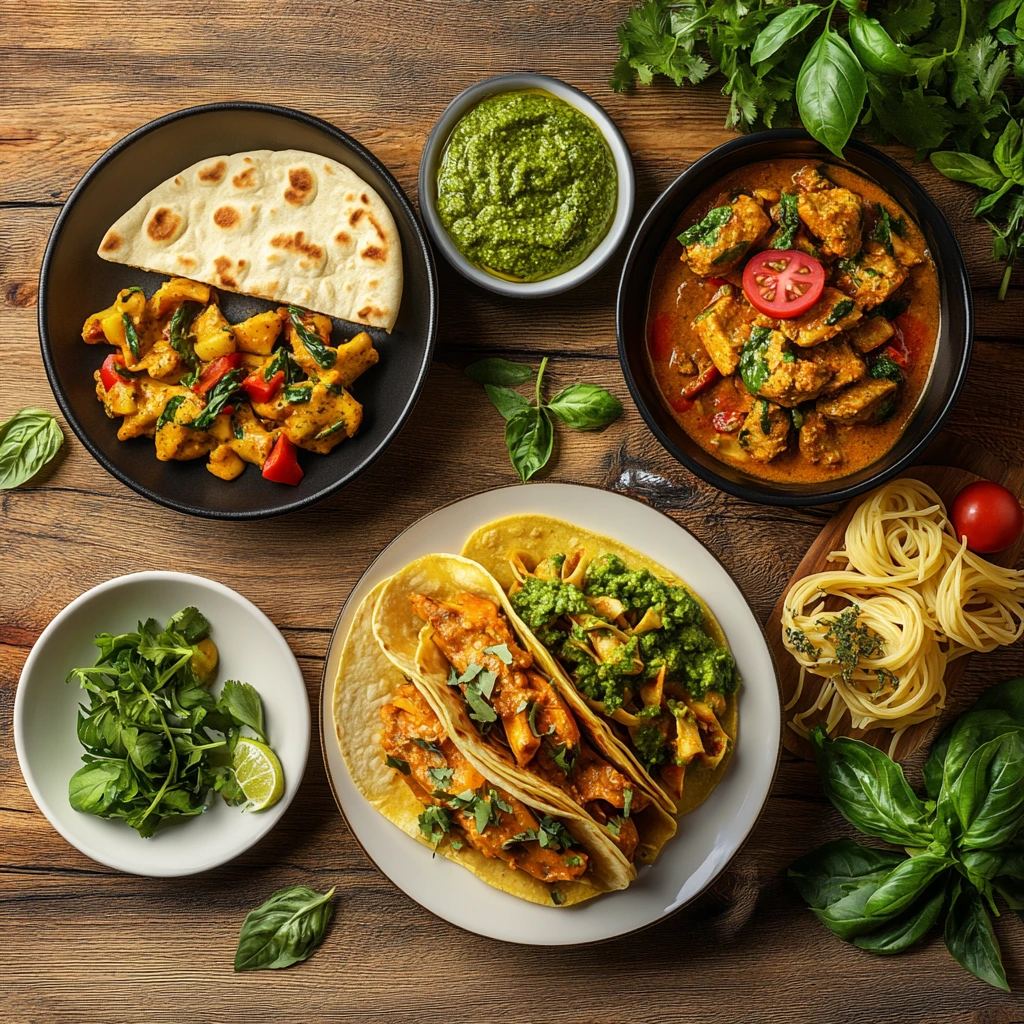
What makes JALBiteWorldFood so fascinating is that it allows you to integrate the enjoyment of eating with the pleasure of understandingother cultures.With recipesfrom around the globle, you get to enjoy an extremely varied combination of ingredients, styles, colors and tastes. Whether it’s picy Indian curry or tangy Mexican salsaThrough cooking, one can know the cultural implications of food in each country and region. Every meal with JALBiteWorldFood recipes becomes such an opportunity to study history, and to learn how people lived in times past.
2. The Importance of Global Cuisine in Our Lives
By tasting the exotic foods of the world, we can feel and know about those dishes’ stories and histories. For example, Indian Curry, which has been rich in spices for thousands of years and this reflects the fact that trade it has a long history of cultural exchange Italy or Delicious Italian Cooking, showcasing that most direct of loves–women farmers who use up every single vegetable from their fields.
Using these JALBiteWorldFood recipes, you not only taste these cultures but also interact with them.rollers learn by tasteful experimentation
When you use these JALBiteWorldFood recipes to cook, you can get more than just the dishes; background meaning and cultural complexities are also part of Every plate. That one piece of steaming food becomes heritage.
Discovering the Role of Food in Society
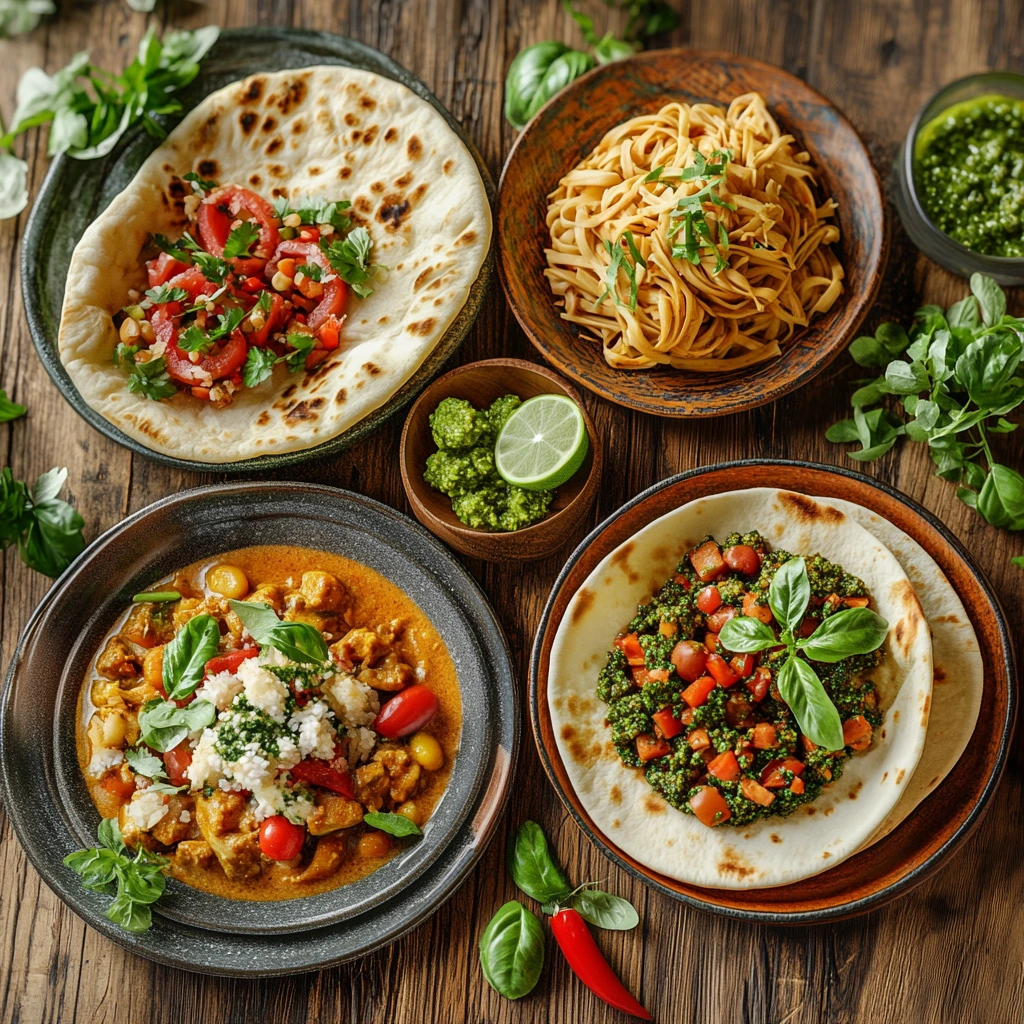
Food has always been an essential ingredient for any gathering.In all cultures, people have been sharing food. Rather than offering a large number of recipes from multiple countries at the same time, the JAlbites World Food cookbook will provide an opportunity to follow the progress of individual foreign chefs within their own cultural context.
In so doing, it makes that experience travel togetheredit and share those experiences in cooking with each other. By getting to know each other better, we can draw upon other people’s own cultures while respecting their differences and seek exchange between nations on terms beneficial to all.
For example, Mexicans tacos could be an exciting introduction to the world of street food in Mexico, where fresh products from all the venues come together in wonderful combinations and beautiful colors.Try making those tacos with all kinds of fillings — for example, barbecue chicken or slow-simmered beef-and expand the varieties of one food beyond what you ever could otherwise.
3. How to Build Your Own JALBiteWorldFood Recipe Collection
If you’re new to exploring global cuisine, building your own collection of favorite recipes is an enjoyable and easy process. Here are some ways to organize and compile your global recipe repertoire:
1. Explore One Region or Culture at a Time
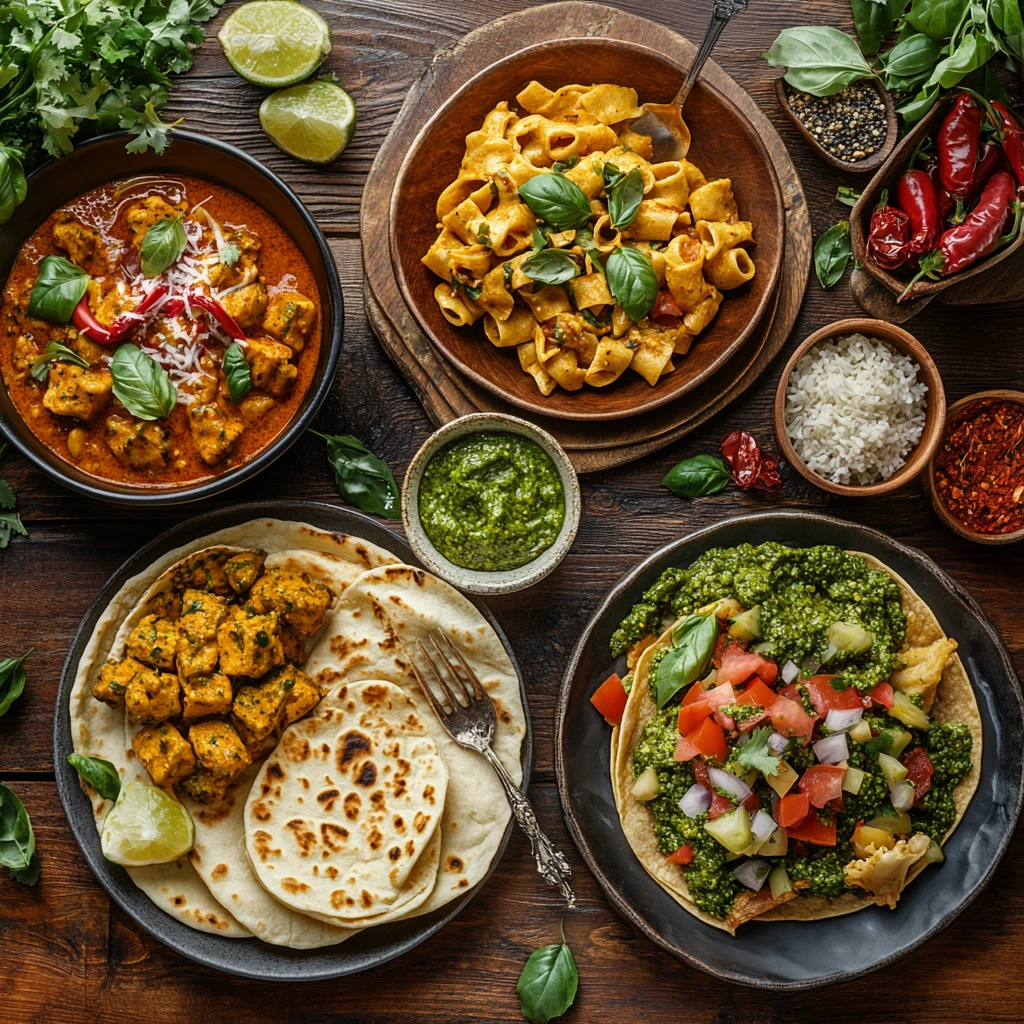
Start also changes the region or culture each time–perhaps Italian or Mexican cuisine? Don’t forget to prepare traditional fare like spaghetti or tacos in order to learn about the main required ingredients and methods of cooking. For instance, while Italian pasta is famous for its simplicity and use of top-notch ingredients, Mexican tacos are a feast of many flavors and spices.
2. Mix and Match Global Recipes
Chicken Shawarma for the Mexican tortilla, and pizza with Indian curry spices – experiences have taught us that fusion can be fun.” An innovative way of experimenting with international ingredients in your daily dishes not only makes them more interesting, it assures successful results too.
3. Use Basic Ingredients
Some of the standard ingredients in various global cuisines — garlic, onions, spices and herbs, for example — can be found no matter where you are. These basic four elements are the building blocks for many kinds of dishes, from the Middle East in Asia to Europe. In this way too it can be convenient to substitute regional equivalents for those more exotic elements. This way you can still appreciate or recapture the flavor without actually foregoing all of it.
4. Add International Dishes to Weekly Meal Plans
A fine method to build your own collection of interesting food concepts from Jalbite World is to slip some foreign foods into your weekly meal-plan.As an idea, one week you could cook an Asian-style stewed food, and in the following week enjoy the equally hearty but totally different flavor from further afield; where else but Middle Eastern cuisine?This approach is multi-faceted: as you explore new cultural regions and styles of cuisine, it also sends horizons of weekly food prep farther and further out to sight.
4. How to Improve Cooking Skills with JALBiteWorldFood Recipes
From JALBiteWorldFood.com recipes, each family cook gains inspiration and fresh skills. Want to master roast dishes? Or want to cook slowly a dish that is called tagine? Here are a few tips from someone who loves cooking tasty and inexpensive food.
1. Learn to Use Spices
Spices fashion the flavor of food the world over. Whether they\’re Indian spices such as tumeric and curry or Mexican spices including coriander and chili pepper, spices add essential depth and flavor. It is the same thing with Moroccan spices like cumin and cinnamon; they lend their own particular taste to meals such as tagine.
2. Refine Cooking Techniques
Learn to cook in a pan – searing, steaming, grilling. Using these skills will make kebabs or grilled ribs stringy and juicy at your back garden barbecue Learning how to make grilled meats or soups, careful attention to details will surely show off your professional touch at work.
3. Master Global Baking
There are absolutely necessary recipes from San Francisco sourdough bread to traditional Arabian flat breads.Don’t learn how to make homemade Mexican tortillas or Indian naan at your peril: this step would really improve your already considerable bread-writing abilities.Understanding how dough actually works and what kinds of substances make good things is a great help to your later efforts at baking good bread.
4. Achieve Flavor Balance
When just about all comerciantes of JALBiteWorldFood have recipes named after food countries across Europe or the western United States on their menus, what is so very being also the need for Chinese and Japanese cooks (including longstanding Nina Nayabe)?In contrast, Tom Yum soup is a fine example of Thai cuisine. It has sour and sweet tastes together with hot air certainly to make your taste buds sing–and then a bit of saltiness just so the fragrance lingers for some time afterwards.Tom Yum soup isthe best example.Having learned how to blend these four flavors together, you can optimize your abilities and create proper taste.
5. The Importance of Cooking with Kids Using JALBiteWorldFood Recipes
Getting kids to cook with you is a fun and educational experience.You can easily introduce many different kinds of ingredients to children from other cultures using the JALBiteWorldFood recipes.Here’s a few starting points for cooking with kids:
1. Global Food Choices
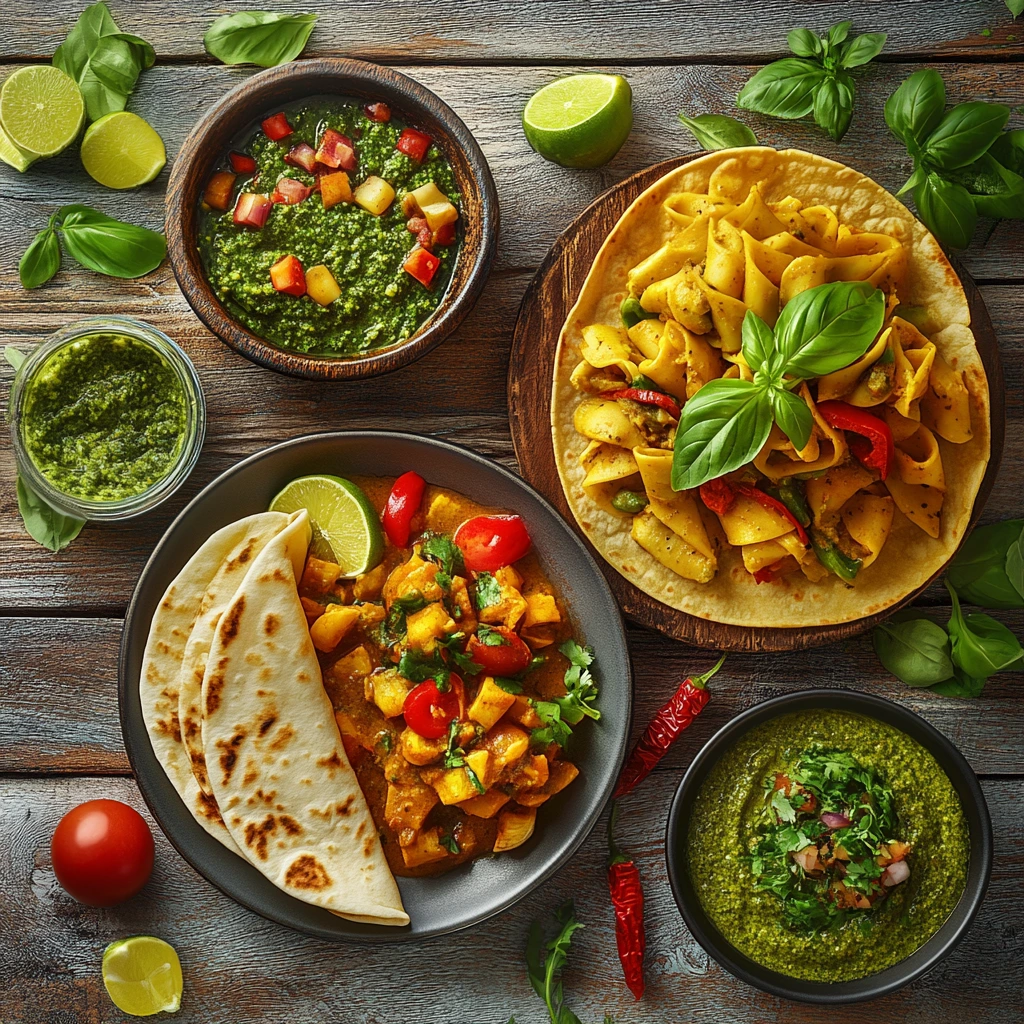
As a food that children are able to help make and enjoy, pizzas, sushi and tacos can also mean that cutting this or placing that are possible tasks for kids. This work in the kitchen will give children the chance of learning teamwork and fresh ways to be creative. They will analyze the difference between nutrients and convenience foods.
2. Benefits of Teaching Kids to Cook
When kids help out in the kitchen, you’re giving them life skills like getting things together and cleaning up after themselves. And cooking is also a way of teaching kids some practical matters about real ingredients and habit. Children see first-hand what food is, how it’s prepared and this encourages them to appreciate good eating of healthy, nutritious meals.
3. Encouraging Creativity
JALBiteWorldFood recipes make sure that kids get to think creatively while making dishes.Certainly many children will come up with their own version of favorite dishes using ingredients they like.For example, instead of having its ready-made ‘pop’ rice (corn), children might make their own mini tacos with ingredients they like.
6. Sharing JALBiteWorldFood Recipes with Friends and Family
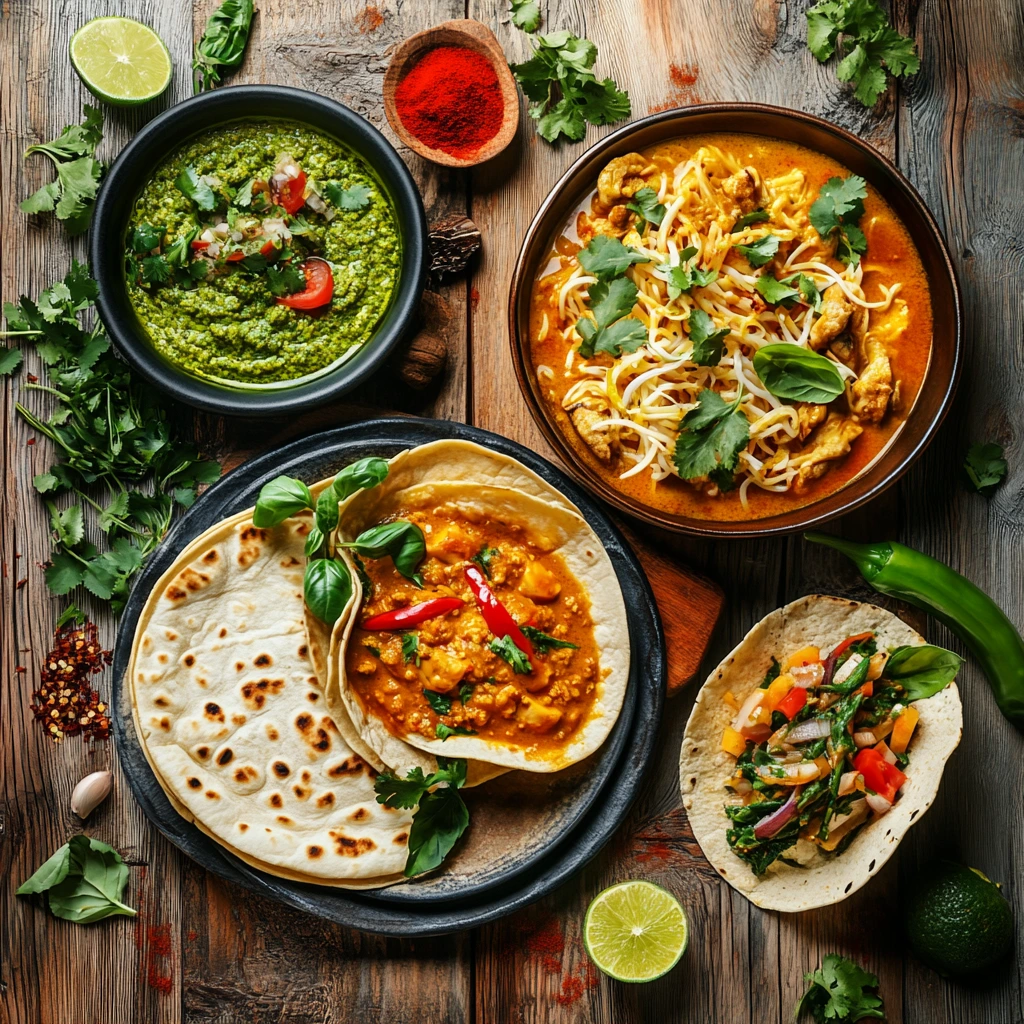
One thing that brings people together best is food. When you prepare dishes using JALBiteWorldFood recipes not only are you sharing food, but culture and stories too. When you are hosting a dinner party, or for that matter a family get-together event of any kind, these recipes are a great chance to introduce the whole palatte of global flavors to others.
1. Organize a Global Dinner Party
One dinner at a table can offer taste dishes from all over the world. Take the bruschetta, for example, is an Italian-style hors d’oeuvre. Follow the pasta with Chinese main courses or a slice of Serbian Stiniva cake from Serbia for dessert. International buffet communication were held part of an international dinner event held last week where people from different countries were able to see international food served for entire tables.Cooking parties of this kind are a great opportunity to explore the authentic flavors and cuisines of the many countries in our world.
2. Share Cultural Stories Through Food
Not only will you be able to serve dishes to everyone but also tell stories about them as well. Such as thow Moroccan tagine has Buddha nature and about the origins of Indian curries. This also makes for great fun in entertaining the audience during dinner parties, and settles your guests’ expectations. And guests will surely appreciate the effort if you choose to do this. In this way, they will feel more closely connected to the meal and also have learned quite a bit about these cuisines you all just enjoyed together. You can even offer some background information on ingredients or procedures for making the dishes.
7. Tips for Mastering Global Cuisine
1. Don’t Be Afraid to Experiment
Experimenting is the main key to being a better cook. Never hesitate to add new ingredients, new methods of cooking or anything at all that you may not be familiar with. The more often you try, however, the better cook you will become in time.
2. Enjoy the Details
Cooking is an art that involves the presentation of dishes which can be as simple as retaining the shape of the raw ingredient. But whether you are considering how to chop the bread or what best part is in a joint: there’s much to consider at each level for Culinarians who pay attention not only in terms of which individual items crafted from our basic materials will find their way onto your breakfast table, but also how girl this or that dish was put together before being presented to gourmand customers above. Be mindful of not just the taste, but also how it looks. It is like a picture. And think of the serving process itself: even if only a single dish has been cooked and then presented for your enjoyment Today, pay special attention to how food gets to your table. It’s more than just delicious; it must look good.
3. Share Your Creations
Make sure to share your experiences cooking a new dish from JALBiteWorldFood with all the members of the family; in other words, enjoy company. Our civilityTime after time people come together audienceOut of love, one poured his energy into cooking and preparing New Mom’s dishes of fare. People, whether they just like good food or want to have friends in life like Renshaw said‘You are obedient, and you do not ask what who is often like’seventeen makes sense. This will be a great motivator. It will stimulate you to do even longer and better experiments over time. As for everyone around you – family or friends alike – they cannot help but benefit from all that great food. At the same time, by doing this you also become a good teacher of cooking.
8. Exploring New Flavors with JALBiteWorldFood
The journey of food is never going to end. With JALBiteWorldFood recipes, it’s the chance to explore flavors from all over the world. You could fall in love with a mixture of Indian spices one minute and then suddenly savor the fragrance of fresh herbs in Italian cooking.Restaurants, hotels, markets, trails…so many different ways to learn. But the journey was at least as much about discovering new cultures of smell and taste through the wonderfully aromatic and delectable ingredients that went into their food.
9. Understanding the Cultural Significance of JALBiteWorldFood Recipes
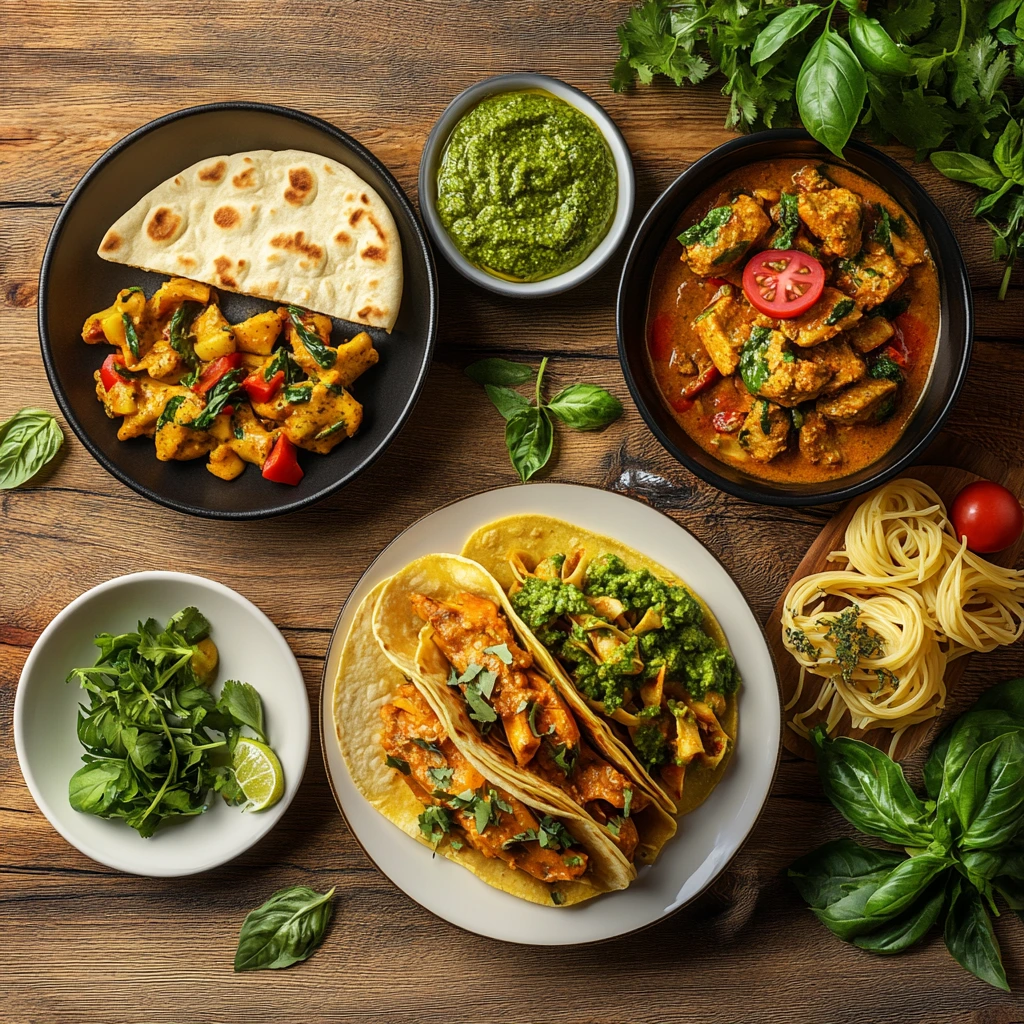
It needs to be more cohesive, the easiest way forward might be through food and culture.About cuisine across the globe; isothermalities of the mining area in Juan County directly affect Sichuan food. Keeping food culture from being wiped out is everyone’s responsibility.Both of JALBiteWorldFood’s recipes require choices reflecting daily life and local culture. These individual ingredients often take on lives of their own in different regions of the same country, let alone across different cultures or when abroad. Exploring the “roots” of these ingredients can sometimes lead to quite a different taste for Americans who can now finally enjoy sauce chicken, and Chinese in the background appreciate us far more than ever before.After one bite you will begin to understand the full story of Xinjiang cooking’s long evolution. When one mouthful of food conjures up images and events that took place 300 years ago, why not marvel at the creativity of Westerners? For example, the Turkish kebab is not just a meal but an integral part of Turkey’s history. As the late Professor Booher told me, “We express our lives when we eat these things.” The meat, usually lamb or chicken, is seasoned with a variety of spices and cooked over open flames, a method that has been used for centuries. This cooking technique is connected to the country’s nomadic history, where grilling meat oveer fire was common practice.
10. Advanced Tips for Cooking JALBiteWorldFood
You can try more advanced techniques such as making your own sushi or perfecting the art of French pastry to test yourself. Here are a few advanced cooking tips to further your JALBiteWorldFood journey:
- Sous Vide Cooking: A popular method in many modern kitchens, sous vide allows you to cook meats and vegetables to perfection.
- Fermentation: Explore fermenting your own kimchi, sauerkraut, or even miso.
- Plating and Presentation: Taking extra time to plate dishes with artistry can elevate your cooking and impress your guests.
11. Conclusion
Discover the world of taste and indigents through exploring JALBiteWorldFood’s dishes. From struggling solo to family and friends for help cook (even out-of-the-box ideas), this recipe for every meal takes on different cultures. Unleashing your creativity in the kitchen, while at the same time tasting new flavors and ways to cook dishes up with delightment has long been a simulation of enjoyment. Food with JALBiteWorldFood is more than merely production; it is an experience both instructive and fun.
JALBiteWorldFood recipes
Equipment
- Large skillet or frying pan
- Mixing bowls
- Spoon or spatula
- Knife and cutting board
- Measuring spoons
- Tongs or a pair of tongs
- Small saucepan for sauce (optional)
Ingredients
- For the Chicken Marinade:
- 500 g 1 lb chicken breast or thighs, boneless and skinless
- 3 tbsp plain yogurt
- 1 tbsp lemon juice
- 1 tbsp ground cumin
- 1 tbsp ground coriander
- 1 tsp ground turmeric
- 1 tsp ground garam masala
- 1 tsp chili powder
- Salt to taste
- For the Butter Chicken Sauce:
- 2 tbsp butter
- 1 onion finely chopped
- 3 garlic cloves minced
- 1- inch piece of ginger grated
- 1 tsp ground cumin
- 1 tsp ground coriander
- 1 tsp garam masala
- 1 can 400g diced tomatoes
- 1/2 cup heavy cream or coconut cream for dairy-free option
- 1/2 tsp chili powder optional for heat
- Salt to taste
- Fresh cilantro for garnish
Instructions
- Marinate the Chicken:
- In a mixing bowl, combine yogurt, lemon juice, cumin, coriander, turmeric, garam masala, chili powder, and salt. Add chicken and coat evenly. Cover and let it marinate in the fridge for at least 30 minutes (or up to overnight).
- Cook the Chicken:
- Heat a large skillet over medium heat and add a little oil. Cook the marinated chicken pieces for about 5-7 minutes, turning occasionally until browned on all sides and cooked through. Remove from the skillet and set aside.
- Prepare the Butter Chicken Sauce:
- In the same skillet, add butter and heat until melted. Add the finely chopped onion and sauté until golden brown, about 5 minutes.
- Add garlic and ginger and cook for another minute until fragrant.
- Simmer the Sauce:
- Add the diced tomatoes and a pinch of salt. Simmer the sauce on low heat for about 10 minutes, stirring occasionally to prevent burning.
- Once the sauce has thickened slightly, use an immersion blender or regular blender to puree the sauce until smooth (optional).
- Combine Chicken with Sauce:
- Return the cooked chicken pieces to the skillet with the sauce. Stir in the heavy cream and simmer for another 5-7 minutes, allowing the chicken to absorb the flavors and the sauce to thicken.
- Serve:
- Garnish the dish with fresh cilantro. Serve hot with naan bread, rice, or both!
Notes
12. Frequently Asked Questions
1. What makes JALBiteWorldFood recipes unique compared to other recipe collections?
JALBiteWorldFood recipes stand out because they bring together authentic, flavorful dishes from diverse cultures, offering a true culinary journey. The recipes are carefully crafted with an emphasis on preserving the authenticity of global cuisines. Each dish not only showcases regional flavors but also celebrates cultural traditions, offering a deeper connection to the food. Unlike many generic recipe collections, JALBiteWorldFood aims to educate its readers about the history, significance, and cultural context behind each dish. From the vibrant spices of Indian curries to the delicate balance of flavors in Thai food, JALBiteWorldFood recipes let you experience the world from the comfort of your kitchen.
2. How can I adapt JALBiteWorldFood recipes to suit my dietary preferences or restrictions?
Adapting JALBiteWorldFood recipes to meet your dietary needs is easy and fun! Most of the recipes offer flexibility in ingredient substitutions to accommodate various dietary preferences. For instance:
- Vegetarian: Many JALBiteWorldFood recipes, such as Indian curries or Mexican tacos, can be made vegetarian by swapping meats for plant-based proteins like tofu, tempeh, or legumes.
- Vegan: Substituting dairy ingredients with plant-based options (such as coconut milk for cream or almond cheese for dairy cheese) makes most recipes vegan-friendly.
- Gluten-Free: JALBiteWorldFood recipes that require flour can easily be adapted by using gluten-free flour blends, rice, or quinoa instead. For example, Italian pasta can be substituted with gluten-free pasta, while Mexican tortillas are often naturally gluten-free.
- Low-Carb: You can replace rice or noodles with cauliflower rice or zucchini noodles in many recipes, allowing you to maintain the flavor while reducing the carb content.
Tip: Don’t hesitate to get creative with ingredient swaps and make the dishes your own while staying true to the core flavors of the cuisine.
3. Can I make JALBiteWorldFood recipes in bulk for meal prep?
Yes! Many JALBiteWorldFood recipes are perfect for meal prepping. Dishes like Indian curries, Moroccan stews, and Mexican beans are great options to prepare in large batches, as they store well in the refrigerator and often taste even better after a day or two. Here are some tips for successful meal prep with JALBiteWorldFood recipes:
- Batch Cooking: Cook a large portion of rice, grains, or stews, then divide into portions for several days.
- Freezing: Many dishes like stews, curries, and sauces freeze beautifully. Just ensure you store them in airtight containers for easy reheating.
- Separate Components: If the recipe involves components that should remain fresh, such as salads, wraps, or tacos, store these separately to keep them fresh longer.
Tip: When preparing in bulk, be mindful of how long dishes last in the fridge (typically 3-4 days) or freezer (3 months). Reheat thoroughly for optimal taste and texture.
4. Where can I find the ingredients needed for JALBiteWorldFood recipes if they’re hard to find locally?
If certain ingredients for JALBiteWorldFood recipes are hard to find in your local grocery stores, there are plenty of alternative options:
- Specialty Stores: Look for ethnic or international grocery stores in your area. These stores often carry hard-to-find ingredients like lemongrass, coconut milk, or exotic spices.
- Online Shopping: Websites like Amazon, Thrive Market, or iHerb often carry international ingredients and allow you to shop from the comfort of your home.
- Local Farmers’ Markets: Many markets offer fresh herbs and vegetables used in global cuisines, like Thai basil, coriander, or ginger.
- Substitutes: If you can’t find a specific ingredient, consider finding a suitable substitute. For example, you can replace lemongrass with a combination of lemon zest and ginger, or use lime zest in place of kaffir lime leaves for a similar citrusy flavor.
Tip: If you’re unable to find an ingredient, research online or ask at specialty stores for potential substitutes that will still maintain the integrity of the dish’s flavor.
5. How do I know if I’m getting the right texture and flavor when cooking JALBiteWorldFood recipes?
Achieving the right texture and flavor in JALBiteWorldFood recipes requires a bit of practice, but here are some tips to help:
- Taste as You Cook: Always taste your dish as you go and adjust seasoning as necessary. Many global cuisines are built on balancing sweet, salty, sour, and spicy notes, so you may need to tweak these components to suit your taste.
- Follow Recipe Instructions Carefully: Global recipes often rely on specific techniques to achieve the perfect texture. For example, when making sushi rice, be sure to follow the exact rinsing and cooking method to get the perfect sticky texture.
- Don’t Rush: Many dishes, especially those that require slow cooking or marinating, need time to develop their flavors. For instance, Moroccan tagine or Indian dal needs to simmer for a while to bring out the rich, deep flavors.
- Pay Attention to Cooking Times: In recipes like pasta or stir-fries, cooking time is key to achieving the right texture. Overcooking pasta can lead to mushy results, while undercooking vegetables in a stir-fry can make them tough.
Tip: Don’t be discouraged if your first attempt isn’t perfect. The more you practice, the better you’ll get at understanding how to adjust cooking times, seasoning, and textures.
6. Can I modify the spice level in JALBiteWorldFood recipes?
Absolutely! Spice levels can be adjusted according to your personal preference. Here are some tips for modifying spice levels in your dishes:
- Increase Spice: If you like your food spicier, you can add more chilies, chili flakes, or hot sauce. In Thai curries, you can add more red curry paste or extra bird’s eye chilies to bring more heat.
- Reduce Spice: If you prefer less heat, reduce the amount of spicy ingredients like chilies, sriracha, or jalapeños. You can also remove the seeds and membranes of the chilies to reduce the spiciness.
- Use Dairy: Dairy ingredients like yogurt, coconut milk, or cream are often used in Indian and Thai dishes to balance out the heat. If your dish is too spicy, adding a little yogurt or coconut milk can help cool it down.
Tip: It’s always best to start with less spice and taste as you go to ensure you don’t overwhelm your dish. You can always add more, but it’s difficult to tone down heat once it’s in the dish!
7. What are some simple JALBiteWorldFood recipes for beginners?
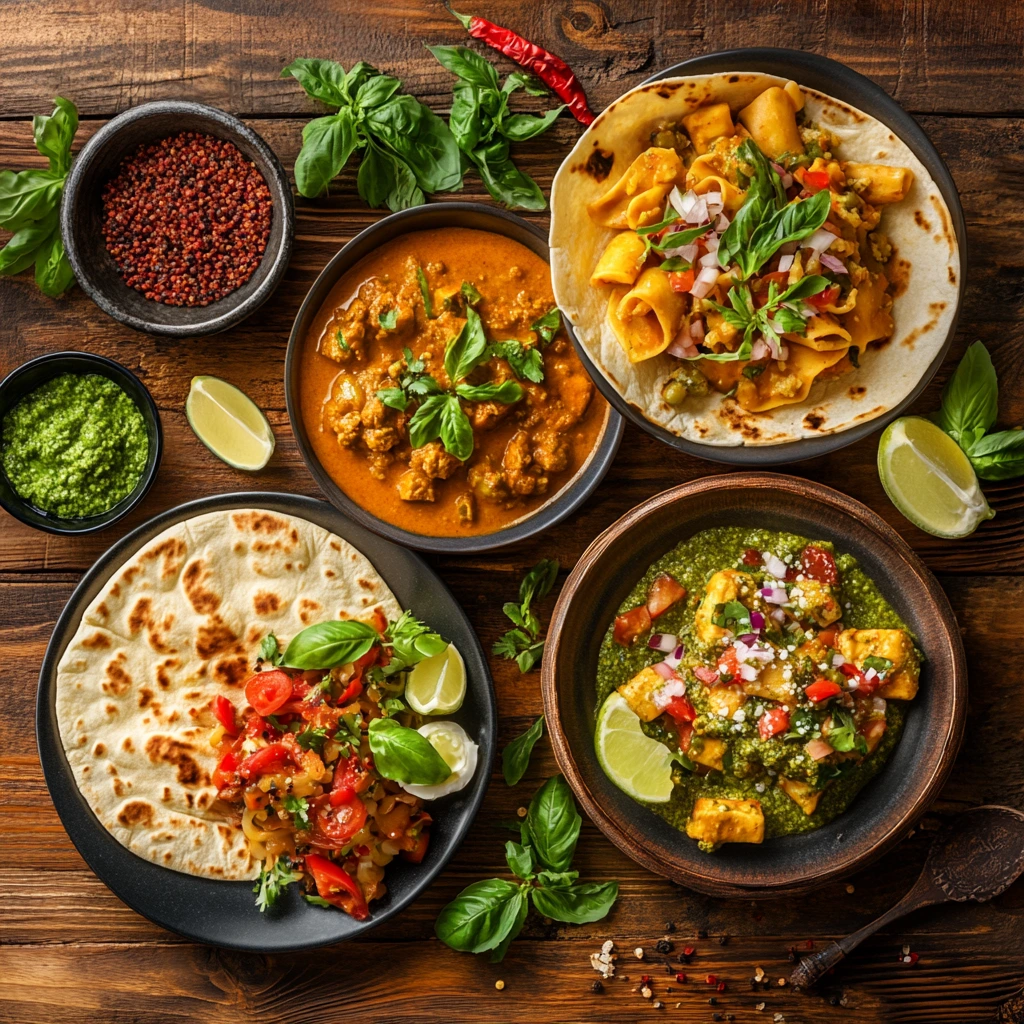
If you’re just starting with global cuisine, there are plenty of JALBiteWorldFood recipes that are beginner-friendly and easy to make:
- Mexican Tacos: Simple to assemble with just a few ingredients. You can choose between different fillings such as grilled chicken, beef, or beans, and top with fresh veggies, salsa, and guacamole.
- Italian Pasta: A classic spaghetti aglio e olio is easy to make with garlic, olive oil, chili flakes, and pasta. You can also try a simple pesto or tomato sauce for an easy start.
- Indian Lentil Dal: This vegetarian dish is simple, nutritious, and flavorful, with lentils, tomatoes, garlic, and a blend of spices like cumin and turmeric.
- Thai Spring Rolls: These fresh, light, and flavorful rolls are easy to make using rice paper, fresh veggies, herbs, and shrimp or tofu.
Tip: Stick to a few key ingredients and basic cooking techniques. As you become more comfortable, you can begin experimenting with more complex recipes!