
If you’re a fan of Italian cuisine, you’ve probably heard of Maggiano’s Little Italy. Known for its hearty, flavorful dishes, Maggiano’s has become synonymous with comforting meals like lasagna. But what if you could recreate that iconic Maggiano’s lasagne recipe right in your kitchen? Well, you’re in luck! In this guide, we’ll dive into everything you need to know about making the perfect Maggiano ‘s-inspired lasagna from scratch. We’ll share tips, tricks, and a detailed recipe that’s sure to rival the original.
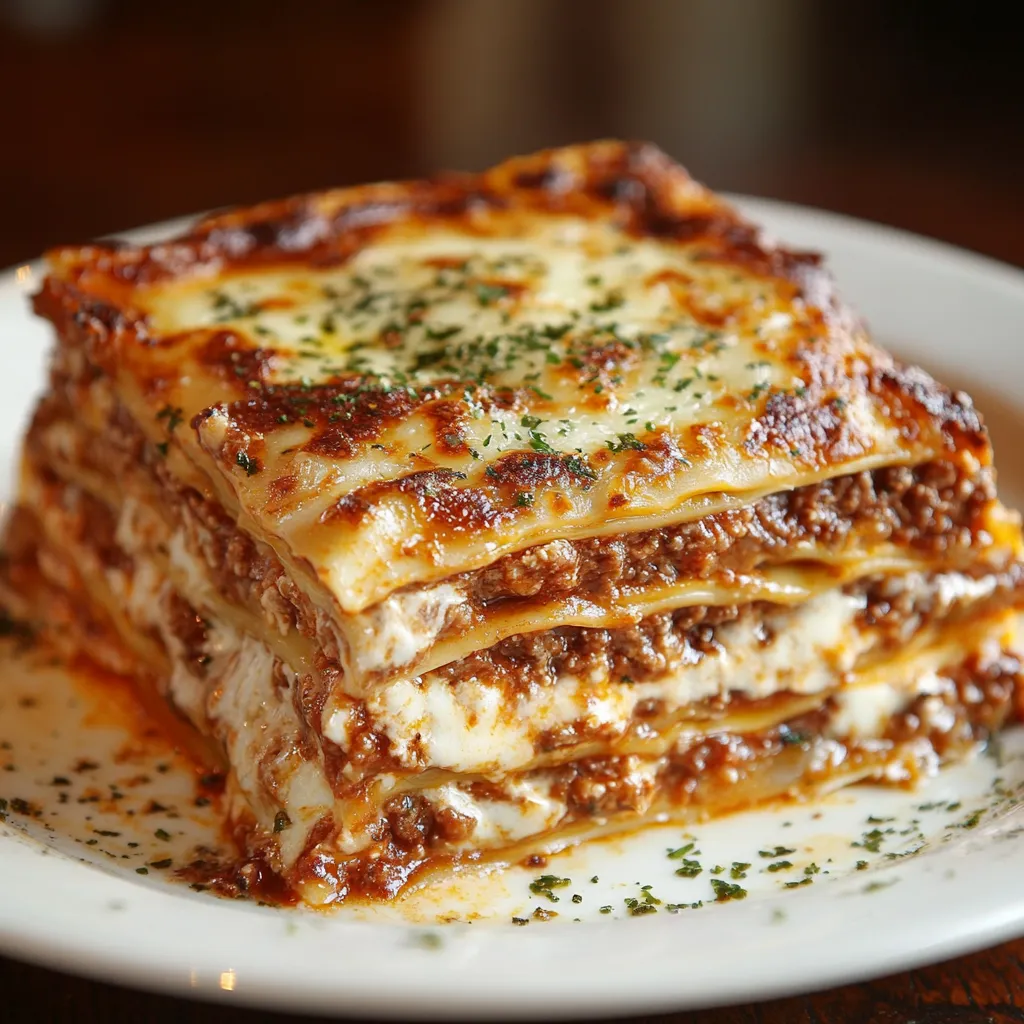
Table of Contents
What is Maggiano’s Lasagne Recipe?
Maggiano’s lasagne is a rich and indulgent dish that is typically filled with layers of tender pasta, savory meat sauce, and a generous helping of cheese. It’s a popular choice at Maggiano’s Little Italy restaurants, but many home chefs have started making their versions of this delicious dish. At its core, the recipe is a variation of a classic lasagna but with a few key tweaks that give it a unique, comforting taste.
When you think about lasagna, the layers of goodness that come to mind are usually pasta, ricotta, marinara sauce, and mozzarella. Still, Maggiano’s takes it up a notch with the addition of hearty ground beef and Italian sausage. If you’ve ever dined at Maggiano’s and tried their lasagna, you know how satisfying that cheesy, meaty, and slightly spicy flavor is. Now, you can recreate that same flavor profile with this copycat lasagna recipe.
The Benefits of Making Maggiano’s Lasagne Recipe
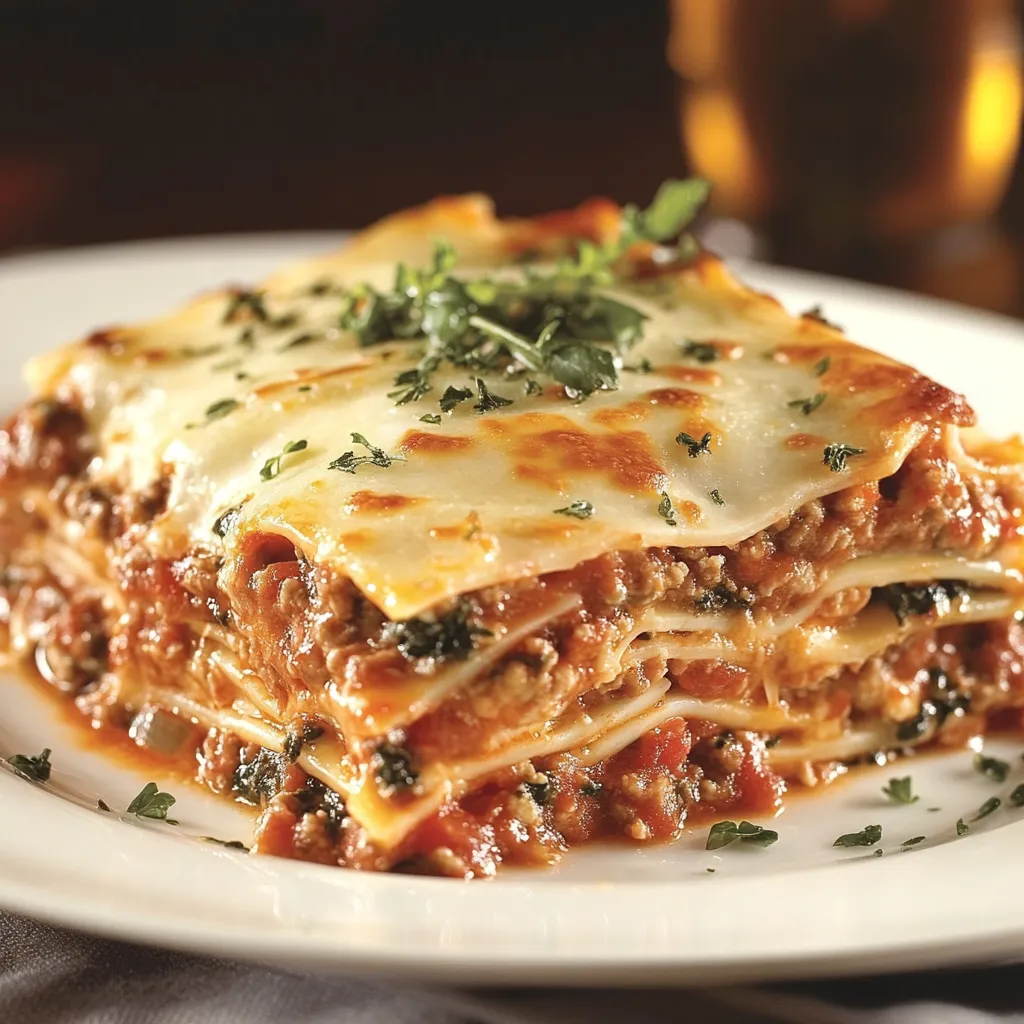
There are numerous benefits to making Maggiano’s lasagna recipe at home. Not only does it allow you to enjoy a homemade version of this restaurant favorite, but it also gives you the freedom to tweak the recipe to your liking. You can adjust ingredients like meat, spices, and cheese to match your taste.
Here are a few key benefits of making this hearty lasagna recipe at home:
- Control Over Ingredients: When you make the dish yourself, you can use fresh, high-quality ingredients.
- Customization: Want to make it vegetarian? Or add a dash of nutmeg to your sauce? Making lasagna at home allows for endless variations.
- Cost-Effective: Buying the ingredients in bulk can save you money compared to dining out at Maggiano’s.
- Catering to Dietary Preferences: Whether you prefer gluten-free noodles or need to use lactose-free cheese, homemade lasagna is adaptable to different dietary needs.
Now, let’s get into how you can make Maggiano’s lasagna from the comfort of your kitchen.
How to Make Maggiano’s Lasagne Recipe
Step-by-Step Guide to Maggiano’s Lasagne
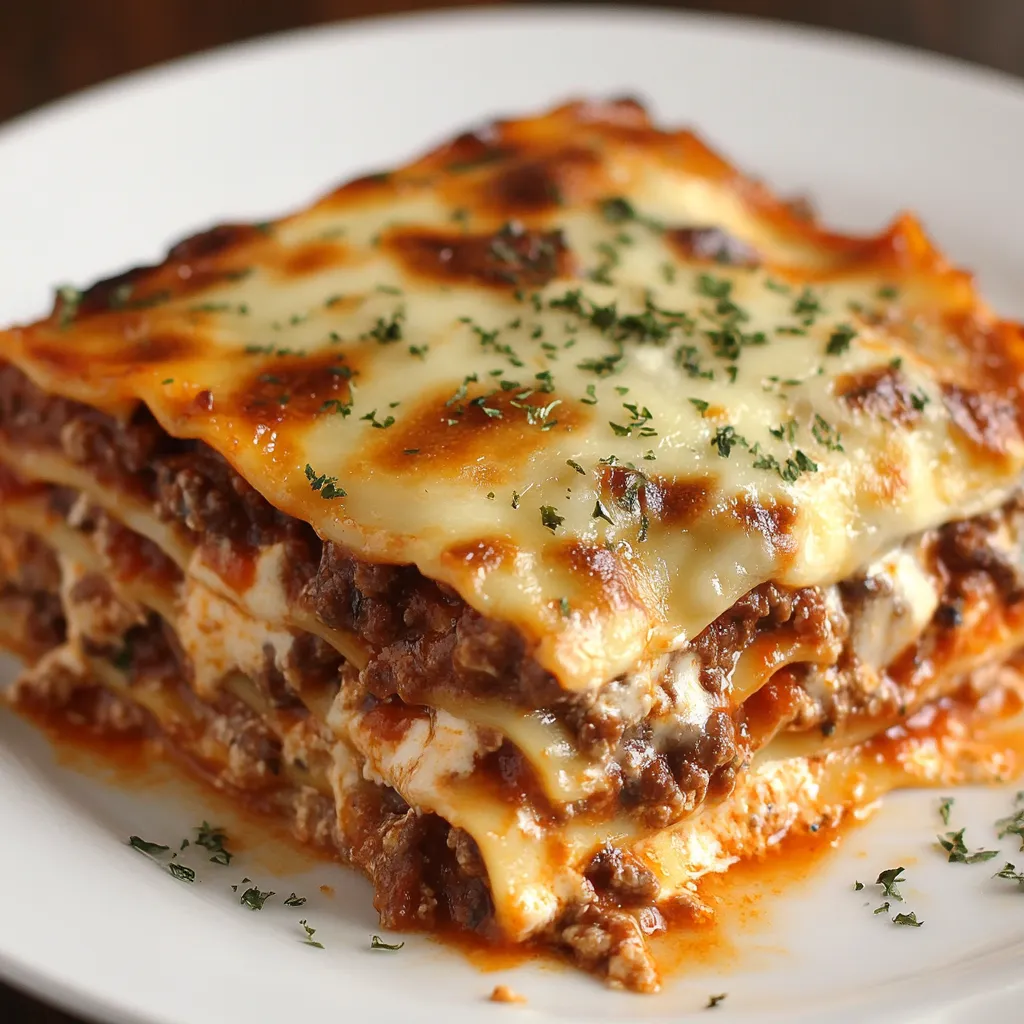
Here’s a simple and easy-to-follow recipe to recreate Maggiano’s lasagna at home. Gather your ingredients, and let’s get cooking!
Ingredients:
- For the meat sauce:
- 1 lb ground beef
- 1 lb Italian sausage (mild or spicy, based on preference)
- 1 medium onion, diced
- 3 cloves garlic, minced
- 2 (14 oz) cans of crushed tomatoes
- 1 can of tomato paste
- 1 tbsp sugar
- 2 tsp dried oregano
- 1 tsp dried basil
- 1/2 tsp crushed red pepper flakes (optional, for spice)
- Salt and pepper to taste
- For the cheese mixture:
- 1 lb ricotta cheese
- 2 cups shredded mozzarella cheese
- 1/2 cup grated Parmesan cheese
- 1 egg
- Fresh parsley for garnish (optional)
- For the pasta:
- 12 lasagna noodles (regular or no-boil noodles, your choice)
Instructions:
1. Prepare the Sauce:
Start by browning the ground beef and Italian sausage in a large pan over medium heat. Add the diced onion and minced garlic and cook until the onion becomes translucent. Next, stir in the crushed tomatoes, tomato paste, sugar, oregano, basil, and red pepper flakes—season with salt and pepper to taste. Let the sauce simmer for about 30 minutes to let all the flavors meld together.
2. Cook the Noodles:
Boil the lasagna noodles according to the package directions if using traditional noodles. Drain and set aside, making sure to lay them flat to prevent sticking. If using no-boil noodles, skip this step!
3. Prepare the Cheese Mixture:
In a medium bowl, combine ricotta, mozzarella, Parmesan, and the egg. Mix until well incorporated. This cheesy filling will form the creamy layer of your lasagna.
4. Assemble the Lasagna:
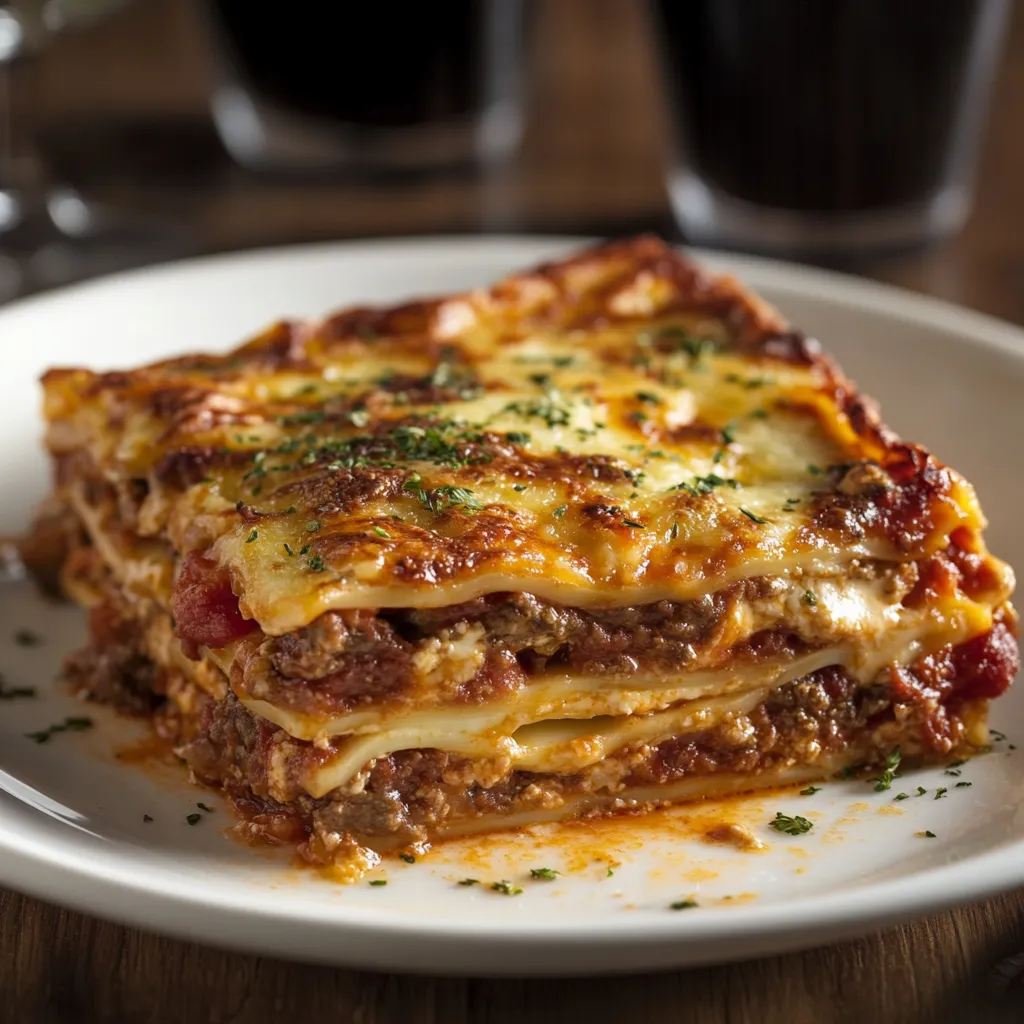
Preheat your oven to 375°F (190°C). Start by spreading a thin layer of meat sauce on the bottom of a 9×13-inch baking dish. Lay down a layer of noodles, followed by a generous amount of meat sauce, then a layer of the cheese mixture. Repeat the layers until you’ve used all the ingredients, finishing with a layer of sauce and a sprinkle of mozzarella cheese on top.
5. Bake:
Cover the lasagna with aluminum foil and bake for 30 minutes. Remove the foil and bake for an additional 10 minutes to allow the top to become golden and bubbly.
6. Serve and Enjoy:
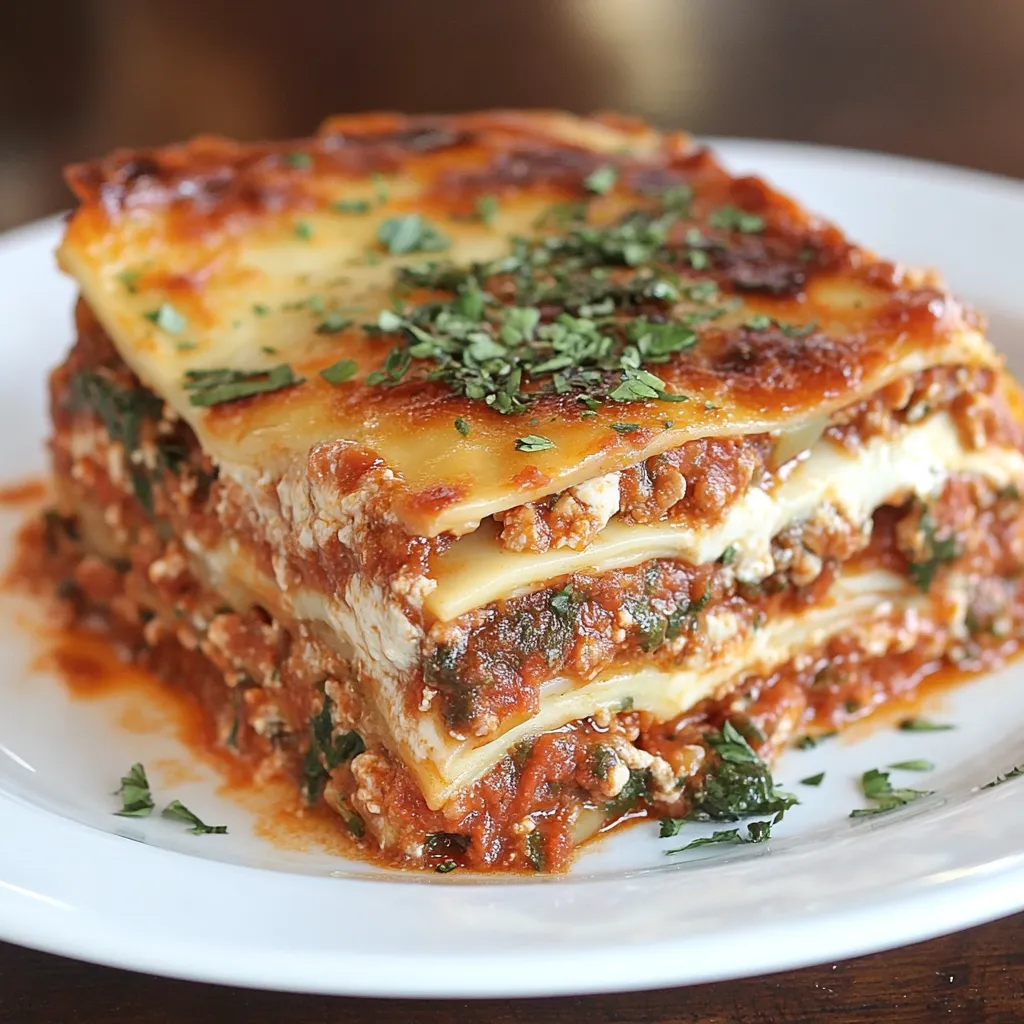
Let the lasagna cool for 10 minutes before cutting into it. Garnish with fresh parsley if desired. Serve with a side salad and some garlic bread for the whole experience!
Tips, Tricks, and Variations
Tip #1: Add Nutmeg to the Cheese Mixture
One of the secrets to a rich, flavorful lasagna is a hint of nutmeg. While this may not be traditional for all lasagna recipes, adding a pinch of nutmeg to your ricotta cheese mixture enhances the overall depth of flavor. It’s a trick used in many hearty lasagna recipes, including some American beauty lasagna recipes. Just a little goes a long way!
Tip #2: Use Fresh Herbs
Fresh basil, oregano, or thyme can elevate your lasagna’s flavor. Add them to the sauce for an added burst of flavor that complements the richness of the meat and cheese layers.
Tip #3: Swap Meats
You can experiment with the meat mixture to suit your taste. For a lighter version, try using ground turkey or chicken instead of beef. For a more traditional flavor, keep the sausage and beef combination.
Tip #4: Make Ahead
Maggiano’s lasagne recipe is perfect for preparing ahead of time. You can assemble the entire lasagna the day before and refrigerate it overnight. Just bake it when you’re ready to serve, which makes it perfect for meal prep or hosting guests.
Common Mistakes to Avoid
While making lasagna can be fun and rewarding, there are some common mistakes you’ll want to avoid:
- Overcooking the noodles: Whether you’re using regular or no-boil noodles, make sure you don’t overcook them. They’ll get too soft and fall apart during baking.
- Not letting the lasagna sit: After baking, it’s crucial to let your lasagna cool for about 10 minutes before cutting into it. This helps the layers set, making it easier to slice.
- Using too much sauce: While you want enough sauce for flavor, too much can make your lasagna soggy. Be sure to layer carefully.
Where to Find or Use It
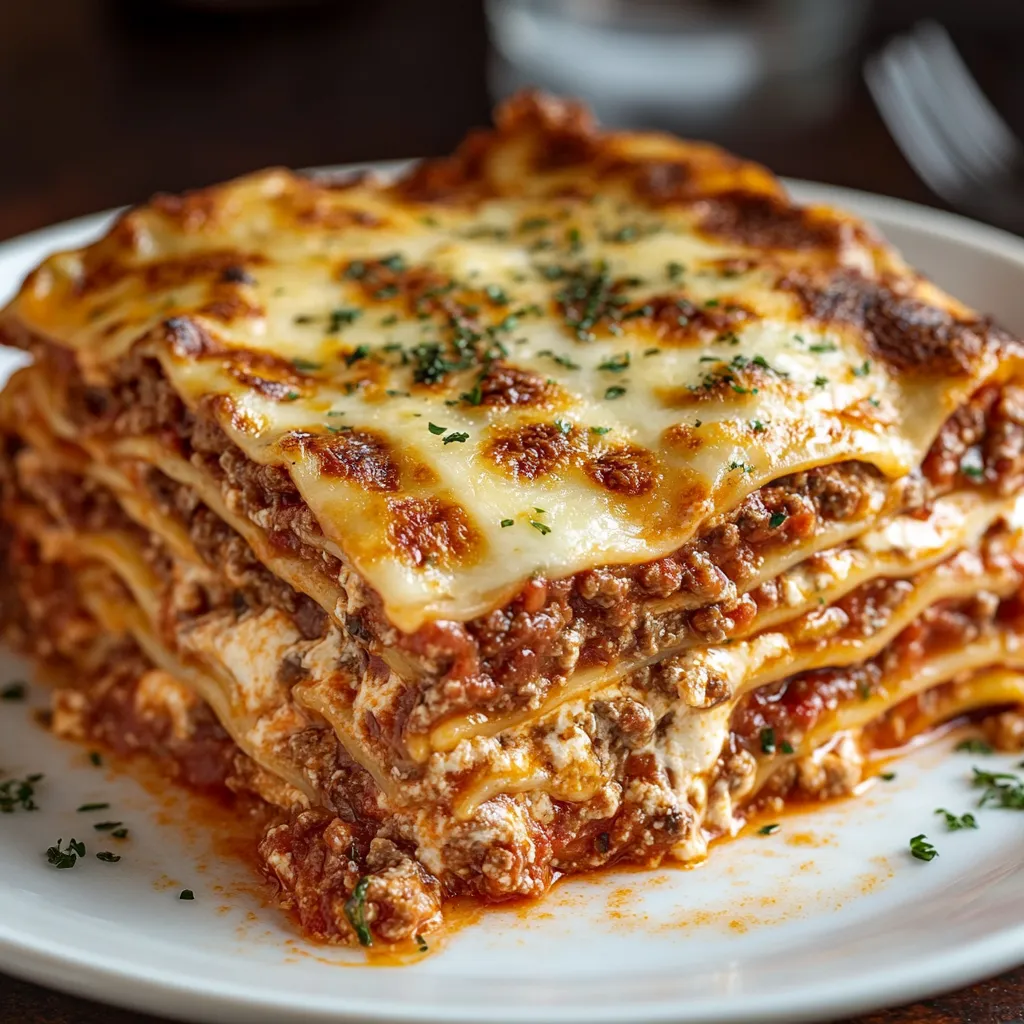
Maggiano’s Little Italy restaurants are famous for their lasagna, and many locations offer a family-style dining experience. However, if you’re looking to enjoy this dish at home, making your version based on this recipe is a fantastic option. Whether it’s a cozy family dinner or a special occasion, this lasagna will impress everyone at the table.
The History Behind Maggiano’s Lasagna
Before we dive deeper into some extra tips and tricks for making this lasagna, let’s take a moment to understand a little about Maggiano’s Little Italy. Founded in 1991 in Chicago, the restaurant chain quickly grew popular for offering Italian-American favorites in a warm, family-style setting. Among its most beloved dishes is the signature lasagna.
Maggiano’s takes pride in crafting dishes that bring comfort and joy, and their lasagna recipe is no exception. It’s a reflection of classic Italian flavors with an American twist. The restaurant’s lasagna is a perfect blend of tradition and innovation, which is why so many people fall in love with it.
When it comes to recreating the Maggiano’s lasagne recipe at home, the key is maintaining that perfect balance of rich, flavorful meat sauce, creamy cheese layers, and perfectly tender pasta. While the recipe has evolved over the years, the essence of Maggiano’s lasagna remains unchanged: it’s all about creating a memorable, satisfying meal that brings everyone together.
Variations to Try with Maggiano’s Lasagna Recipe
1. Vegetarian Lasagna
If you or your guests are vegetarians, you can easily modify the Maggiano’s lasagne recipe by swapping out the meat. Instead of the traditional ground beef and sausage, opt for vegetables like mushrooms, spinach, zucchini, or even roasted eggplant. These ingredients add plenty of flavor and texture, making your vegetarian lasagna just as hearty and satisfying.
2. Gluten-Free Lasagna
For those who are gluten intolerant, the recipe can be made gluten-free by using gluten-free lasagna noodles. These noodles are readily available at most grocery stores and work perfectly in the Maggiano’s lasagna recipe. Additionally, ensure that all other ingredients, such as sauces and cheeses, are gluten-free by checking labels or using homemade options.
3. Lasagna with Sausage and Ground Turkey
For a leaner twist on the classic Maggiano’s lasagna recipe, swap out the ground beef for ground turkey. It still delivers that rich, savory flavor but with less fat. You can also mix in sausage to maintain the traditional taste that Maggiano’s is known for.
4. Seafood Lasagna
While this may be an unusual variation, seafood lasagna is a delicious alternative for those who love seafood. Replace the beef and sausage with shrimp, scallops, or crab meat. Layer these seafood ingredients with a white cream sauce instead of the traditional marinara sauce, and you’ll have a luxurious and rich dish perfect for a special occasion.
5. Lasagna with Fresh Ricotta
Ricotta cheese is a key ingredient in Maggiano’s lasagna, but you can elevate the flavor by making your fresh ricotta cheese at home. This allows you to control the texture and richness of the cheese, giving your lasagna an even creamier taste. Homemade ricotta can be surprisingly simple to make, and it will take your lasagna to the next level.
How to Serve Maggiano’s Lasagne Recipe Like a Pro
Once your Maggiano’s lasagne recipe is baked to perfection, it’s time to serve it! Here are some tips on how to present and serve the dish like a true Italian chef:
Pairing Wine with Lasagna
A good wine can elevate your lasagna experience, making the meal feel even more special. When choosing a wine to pair with lasagna, opt for a red wine with bold flavors, such as a Chianti, Sangiovese, or Merlot. These wines complement the rich tomato sauce and savory meat in the lasagna, providing a balanced contrast to the richness of the cheese.
If you prefer white wine, go for a fuller-bodied white such as Chardonnay. The smooth, buttery notes of Chardonnay work wonderfully with the creaminess of the ricotta and mozzarella.
Serving Tips
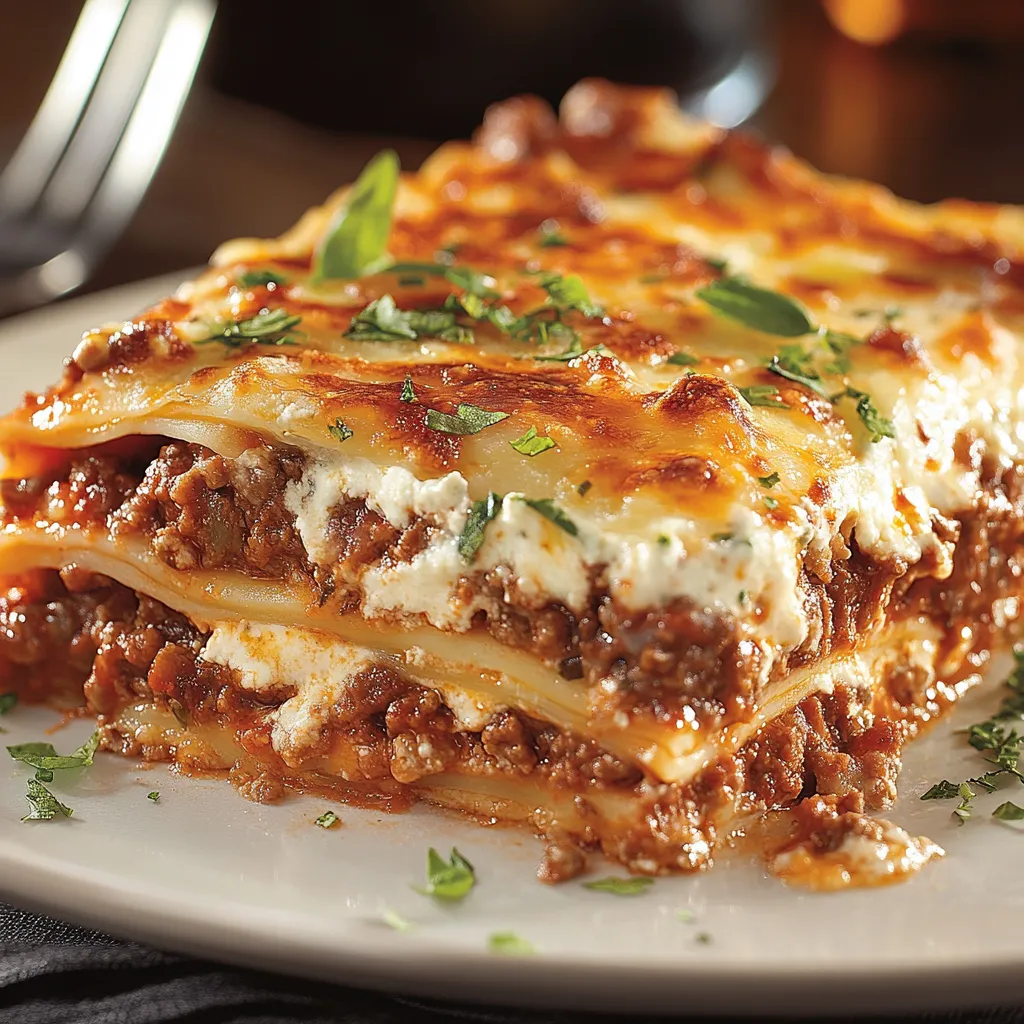
Once your lasagna is baked, let it cool for 10-15 minutes before serving. This allows the layers to set and makes it easier to slice. If you’re serving a large group, consider cutting the lasagna into squares rather than traditional slices. This ensures everyone gets a generous portion, and the lasagna stays together better while serving.
You can garnish your lasagna with fresh herbs like basil or parsley for a burst of color and flavor. A drizzle of olive oil on top also adds a touch of richness.
Side Dishes to Complement Your Lasagna
Maggiano’s serves its lasagna with a variety of side dishes, and you can recreate this experience at home with just a few simple additions. Here are some classic sides that pair wonderfully with lasagna:
- Garlic Bread: No lasagna meal is complete without some crispy, buttery garlic bread. Whether you bake it yourself or buy it from the store, garlic bread is the perfect accompaniment.
- Caesar Salad: A fresh, crisp Caesar salad with a tangy dressing is an ideal balance to the richness of lasagna. The crunchy romaine lettuce and Parmesan cheese complement the dish beautifully.
- Roasted Vegetables: Roasted carrots, zucchini, and bell peppers make a great side dish to add some lightness and extra vitamins to your meal.
- Sauteed Spinach or Kale: A quick sauté of leafy greens with garlic and olive oil is a healthy, flavorful side that contrasts well with the richness of lasagna.
The Science Behind Making the Perfect Maggiano’s Lasagna
One of the reasons lasagna, especially Maggiano’s version, is so beloved is the balance of textures and flavors. Every component—from the rich meat sauce to the gooey cheese to the perfectly cooked noodles—works together to create a memorable dish. Let’s break down why specific techniques make such a difference in achieving the perfect lasagna.
The Importance of Sauce Consistency
One of the most crucial elements of a delicious lasagna is the sauce. It can’t be too runny or too thick. If your sauce is too watery, it can make the layers of lasagna soggy, turning your creation into a mess. On the other hand, if the sauce is too thick, it might result in a dry, chewy lasagna that lacks flavor depth.
The trick to getting the perfect sauce is in the simmering process. Allowing the sauce to simmer for a more extended period (at least 30 minutes) lets the flavors meld together, and the tomato paste helps thicken it to the perfect consistency. If the sauce is too runny, you can also cook it down a bit longer until it thickens to your liking.
Cheese Layering
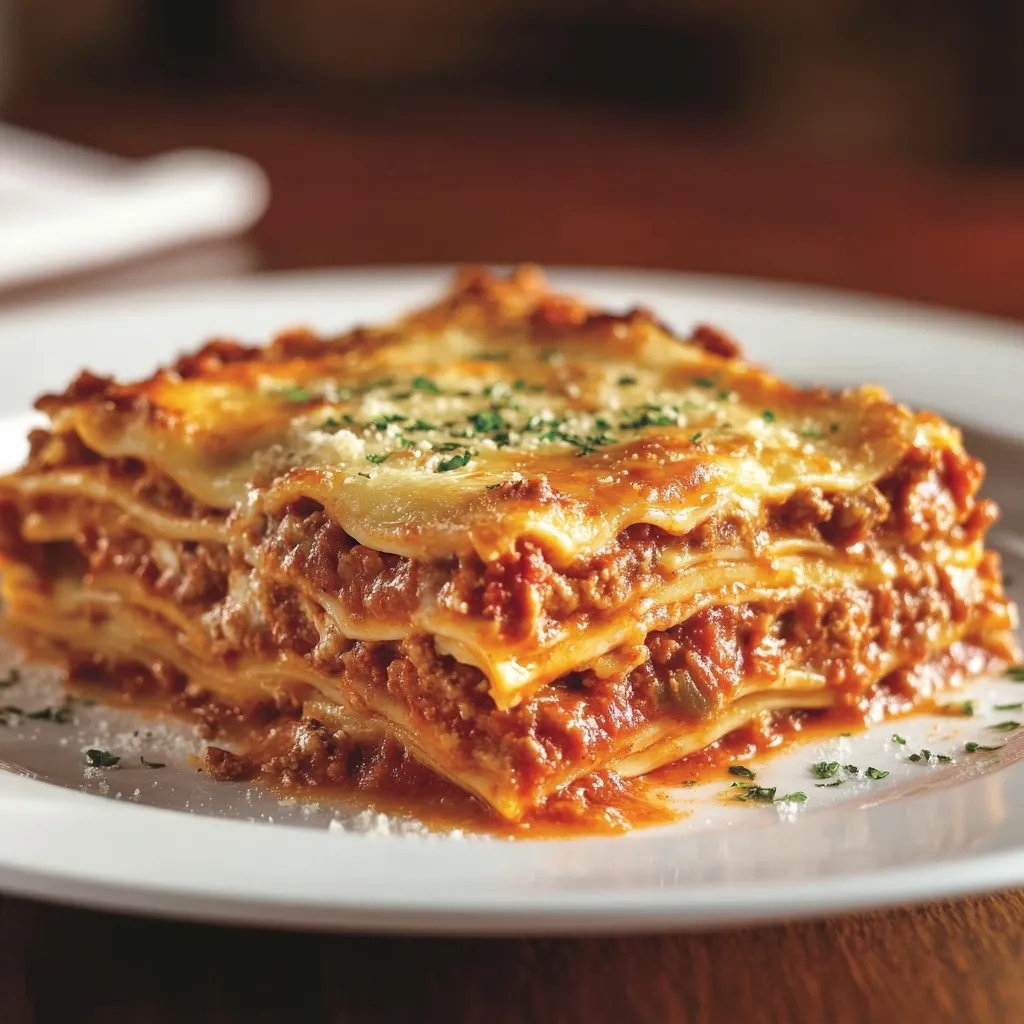
The cheese layers in lasagna do more than provide richness—they add a creamy, satisfying texture that complements the robust sauce and tender pasta. Ricotta cheese, in particular, is the star of the lasagna filling. By mixing it with egg and Parmesan, you create a creamy, firm texture that stays intact after baking.
The mozzarella, of course, is the gooey cheese that melts perfectly on top. Adding a combination of these two cheeses—along with a bit of Parmesan—gives the lasagna its signature taste and texture. Be sure to spread the cheese mixture evenly between the layers of pasta and sauce for the best effect.
Pasta: The Foundation of Lasagna
When it comes to pasta, quality is key. Lasagna noodles should be cooked al dente—firm, but not too hard. If the noodles are too soft, they will become mushy and might break apart during baking. To prevent this, cook your noodles until just firm to the bite, and remember that no-boil noodles tend to absorb more sauce, which can sometimes make the dish a bit more gooey.
For a truly authentic experience, you can also make your pasta from scratch. This is a more time-consuming option, but one that will take your Maggiano ‘s-inspired lasagna to the next level.
Let the Lasagna Rest
After baking, it’s crucial to let your lasagna sit for about 10-15 minutes. Cutting into it right away can result in a messy, runny lasagna. Resting allows the layers to firm up and makes it easier to slice, resulting in perfect, beautiful portions.
Regional Variations of Lasagna: How Maggiano’s Lasagna Compares
Lasagna, while undeniably delicious, is made differently around the world. Different regions of Italy have unique takes on the dish, which can vary significantly in terms of ingredients, sauces, and even how it’s assembled. Let’s take a look at how Maggiano’s lasagna compares to some of these regional variations.
Lasagna alla Bolognese (Emilia-Romagna, Italy)
This version of lasagna is one of the most famous and revered in Italy. Instead of using a tomato-based sauce like Maggiano’s, it’s made with a rich ragù sauce that’s simmered with ground beef, pork, and sometimes veal. The lasagna is often layered with béchamel sauce instead of ricotta, giving it a creamy texture. If you’re looking to explore different lasagna recipes, try Lasagna alla Bolognese, which will introduce you to the Italian classic with a creamy twist.
Neapolitan Lasagna (Naples, Italy)
Neapolitan lasagna offers an entirely different flavor profile. Here, the sauce is often tomato-based, but it includes meatballs, hard-boiled eggs, and ricotta. The rich, meaty sauce combines with layers of mozzarella and a few different meats, such as pork and sausage, which make the lasagna hearty and filling. This variation is sometimes more of a celebratory dish, often served during festive occasions.
Sicilian Lasagna (Sicily, Italy)
Sicilian lasagna features an extra layer of eggplant, along with a more decadent use of ricotta and mozzarella. The Sicilian version often incorporates fried eggplant slices, which adds texture and depth. It’s an ideal dish if you’re looking for a unique and more robust variation of lasagna, especially if you love eggplant.
Maggiano’s Lasagna: The American Take
Maggiano’s lasagna, like many American-Italian dishes, combines influences from both Italian tradition and American adaptations. It’s known for its hearty layers of meat sauce, gooey cheese, and firm pasta, making it a more substantial, comforting meal. In contrast to traditional Italian versions, American-Italian lasagna tends to focus on rich, tomato-based sauces with a focus on layering to achieve a satisfying and filling dish.
This blend of Italian traditions and American flavors is what makes Maggiano’s lasagna such a beloved favorite. It’s familiar enough to feel comforting but special enough to stand out in any Italian-American meal rotation.
The Role of Herbs and Spices in Maggiano’s Lasagna
A lot of the flavor in Maggiano’s lasagna comes from the careful seasoning of the sauce. The combination of oregano, basil, and a hint of crushed red pepper flakes gives the lasagna an unmistakable Italian flavor that keeps you coming back for more.
Oregano
Oregano is one of the defining herbs in any Italian dish, and it’s essential in lasagna. It has a robust, slightly bitter flavor that pairs perfectly with the sweetness of the tomatoes in the sauce. Maggiano’s lasagna uses dried oregano for consistency and stronger flavor, but feel free to use fresh oregano if you have it on hand.
Basil
Basil is another essential herb in the recipe, offering a sweet and aromatic flavor. Basil can be added both to the sauce and as a garnish on top of the lasagna. The freshness of basil enhances the overall dish, balancing the richness of the cheese and the meat.
Nutmeg
A pinch of nutmeg in the cheese mixture is a subtle but essential addition. Nutmeg adds warmth and depth, which enhances the creaminess of the ricotta. While not a traditional ingredient in all lasagna recipes, this slight touch brings a new layer of flavor that transforms the entire dish.
Crushed Red Pepper Flakes
If you like a little heat, crushed red pepper flakes can add an extra kick to the sauce. You don’t need to add much—just a pinch can elevate the dish without overpowering the other flavors.
Maggiano’s Lasagna in Popular Culture
Lasagna isn’t just a favorite meal at home—it’s also made appearances in pop culture, often associated with comfort and nostalgia. One of the most famous representations of lasagna is the beloved comic strip cat, Garfield, who adores lasagna above all else. The image of Garfield stuffing his face with lasagna is nearly iconic and has ingrained the dish into American popular culture.
In addition to its place in comics and television, lasagna (and versions of it, like Maggiano’s lasagna) is often served at family gatherings, holiday dinners, and dinner parties. Its rich, satisfying flavors and comforting texture make it the perfect dish to serve to loved ones.
How to Make Maggiano’s Lasagna a Meal Prep Winner
Lasagna is the ultimate meal-prep recipe. You can easily make a large batch and have it last for several days, or you can freeze individual portions to heat up on busy nights. Here are some meal-prep tips to get the most out of your Maggiano’s lasagna:
Make It in Advance
You can assemble the lasagna up to 24 hours in advance. Just cover it tightly and store it in the fridge. When you’re ready to bake, pop it into the oven and cook as instructed. This is especially useful when you’re planning a meal for a large group or hosting a dinner party.
Freezing Lasagna
Lasagna freezes exceptionally well, so if you have leftovers (or want to make an extra batch for later), store it in an airtight container or wrap it tightly in plastic wrap and aluminum foil. It can be stored in the freezer for up to three months. To reheat, bake it from frozen or thaw it in the fridge overnight before popping it into the oven to warm through.
Portion Control
Lasagna is the perfect dish for portion control. You can cut the lasagna into smaller squares and store them individually. This makes it easy to heat a single serving when you need a quick, satisfying meal.
Final Thoughts
Maggiano’s lasagna recipe is the epitome of comfort food. With layers of rich meat sauce, creamy cheese, and perfectly cooked noodles, it’s a dish that brings people together. Making it at home allows you to customize the flavors and ingredients to suit your tastes while recreating the restaurant-quality experience.
So, gather your ingredients, follow our step-by-step guide, and get ready to enjoy the best homemade lasagna ever!
For a deeper dive into Italian cuisine, check out this AllRecipes guide on lasagna variations!
FAQ Section
- What makes Maggiano’s lasagna recipe different from other lasagna recipes?
Maggiano’s version features a blend of beef and sausage for a rich, hearty sauce and layers of creamy cheese that melt together perfectly.
2.Can I use a copycat lasagna recipe for Maggiano’s lasagna?
Yes! A copycat lasagna recipe can help you recreate the flavors of Maggiano’s at home, but feel free to adjust the ingredients to your taste.
3.What is the best type of noodles to use for Maggiano’s lasagna?
Both traditional lasagna noodles and no-boil noodles work well for this recipe. Choose based on your preference and convenience.
4.Is nutmeg necessary in lasagna?
Adding nutmeg is optional, but it enhances the flavor of the cheese mixture. It’s a subtle touch that adds depth to the overall dish.
5.Can I make Maggiano’s lasagna recipe ahead of time?
Yes, this lasagna can be assembled a day in advance and refrigerated until you’re ready to bake it.
6.Can I make a vegetarian version of Maggiano’s lasagna?
Absolutely! You can substitute the meat with vegetables like mushrooms, spinach, or zucchini for a vegetarian-friendly lasagna.
7.How do I prevent my lasagna from being too watery?
Be sure to drain excess liquid from your sauce and avoid overcooking the noodles. A well-drained sauce will keep the lasagna layers from becoming soggy.
8.How long should I bake my lasagna?
Bake the lasagna covered for 30 minutes, then uncovered for another 10 minutes to get the top golden and bubbly.
9.What’s a good side dish to serve with lasagna?
A fresh green salad, garlic bread, or roasted vegetables all make great accompaniments to lasagna.
10.Can I freeze Maggiano’s lasagne?
Yes, you can freeze lasagna before or after baking. Just make sure to wrap it tightly and store it in an airtight container for up to 3 months.
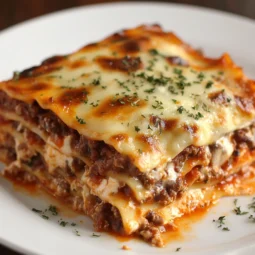
Maggiano’s Lasagne Recipe
Equipment
- Large pot for boiling pasta
- Large skillet for cooking meat sauce
- 9×13-inch baking dish
- Mixing bowls
- Wooden spoon or spatula
- Aluminum foil (optional, for covering during baking)
- Cheese grater (for fresh Parmesan, if desired)
- Ladle (for sauce)
- Oven
Ingredients
- lb ground beef
- 1/2 lb ground Italian sausage mild or spicy
- 1 medium onion finely chopped
- 2 cloves garlic minced
- 2 14.5 oz cans crushed tomatoes
- 1 6 oz can tomato paste
- 1 15 oz can tomato sauce
- 2 tbsp dried oregano
- 1 tsp dried basil
- 1/4 tsp crushed red pepper flakes optional
- 1/4 tsp salt
- 1/4 tsp black pepper
- 1/2 tsp sugar to balance acidity
- 1/4 cup fresh parsley optional, for garnish
- For the Cheese Mixture:
- 15 oz ricotta cheese
- 3 cups shredded mozzarella cheese
- 1/2 cup grated Parmesan cheese
- 1 egg
- 1/2 tsp nutmeg optional, for added depth
- Salt and pepper to taste
- For the Lasagna:
- 12 lasagna noodles regular or no-boil
- Olive oil for greasing the baking dish
Instructions
- Prepare the meat sauce:
- In a large skillet, heat a tablespoon of olive oil over medium heat. Add the ground beef and sausage, breaking it up with a spoon. Cook until browned.
- Add the chopped onion and minced garlic, cooking for another 2-3 minutes until softened.
- Stir in the crushed tomatoes, tomato paste, and tomato sauce. Add oregano, basil, crushed red pepper flakes, salt, pepper, and sugar.
- Bring the sauce to a simmer, then reduce the heat and let it cook for 30-40 minutes, stirring occasionally. The sauce should thicken and the flavors will meld together.
- Prepare the cheese mixture:
- In a large mixing bowl, combine ricotta cheese, 2 cups of mozzarella, Parmesan, egg, nutmeg, salt, and pepper. Stir until smooth and well combined.
- Cook the lasagna noodles:
- Bring a large pot of salted water to a boil. Cook the lasagna noodles according to package instructions (usually 8-10 minutes). Drain and set aside. If using no-boil noodles, simply skip this step.
- Assemble the lasagna:
- Preheat the oven to 375°F (190°C). Lightly grease a 9×13-inch baking dish with olive oil.
- Start with a layer of meat sauce on the bottom of the dish, followed by a layer of noodles. Then, spread a layer of the cheese mixture over the noodles.
- Repeat the layering process until you run out of ingredients, finishing with a generous layer of sauce and a sprinkle of mozzarella cheese on top.
- Bake the lasagna:
- Cover the lasagna with aluminum foil and bake for 25 minutes. Then, remove the foil and bake for an additional 20 minutes, or until the cheese is bubbly and golden brown.
- Let it rest:
- Allow the lasagna to rest for 10-15 minutes before slicing. This will help the layers set and make it easier to serve.
- Serve:
- Garnish with fresh parsley, slice, and serve hot! Pair with garlic bread and a salad for a complete meal.