
Hot and Spicy Rice Cakes: A Korean Street Food Delight
Yopokki also known as Tteokbokki, is one of the most iconic and beloved dishes in Korean street food culture. This delicious dish consists of chewy rice cakes coated in a spicy and sweet sauce, creating an irresistible combination of flavors. If you’re looking for a quick and satisfying snack, the Yopokki recipe is the perfect way to enjoy this traditional treat at home!

Table of Contents
What is Yopokki?
Yopokki is a traditional Korean dish made from chewy rice cakes (tteok) cooked in a flavorful sauce. The star ingredient in the sauce is gochujang (Korean chili paste), which gives the dish its signature spicy heat, balanced by the sweetness of sugar and savory depth from soy sauce and garlic. Yopokki is a popular street food in Korea, and making it at home is easy with this Yopokki recipe.

Ingredients for Yopokki Recipe:
To recreate this delicious street food, gather the following ingredients:
- Tteok (Korean rice cakes) – 300g
- Gochujang (Korean chili paste) – 2 tbsp
- Soy sauce – 1 tbsp
- Sugar – 1 tbsp
- Minced garlic – 2 cloves
- Sesame oil – 1 tsp
- Water or chicken broth – 2 cups
- Fish cakes – 100g (optional)
- Boiled eggs – 2 (optional)
- Gochugaru (Korean chili flakes) – 1 tsp (optional, for extra heat)
- Green onions – for garnish
Step-by-Step Yopokki Recipe
- Soak the Rice Cakes: If you’re using dried rice cakes, soak them in warm water for about 30 minutes to soften them. Fresh rice cakes don’t need soaking.
- Make the Sauce: In a pan, combine gochujang, soy sauce, sugar, minced garlic, and water (or broth). Stir the ingredients together and bring to a simmer.
- Add the Rice Cakes: Once the sauce is well mixed, add the rice cakes and stir to coat them evenly in the sauce. Let them simmer for 10-15 minutes, allowing the rice cakes to absorb the flavors and the sauce to thicken.
- Add Fish Cakes (Optional): If you’re using fish cakes, slice them into strips and add them to the pan halfway through the cooking process.
- Boil Eggs (Optional): You can add boiled eggs to the dish at the end of the cooking process or simply use them as a garnish.
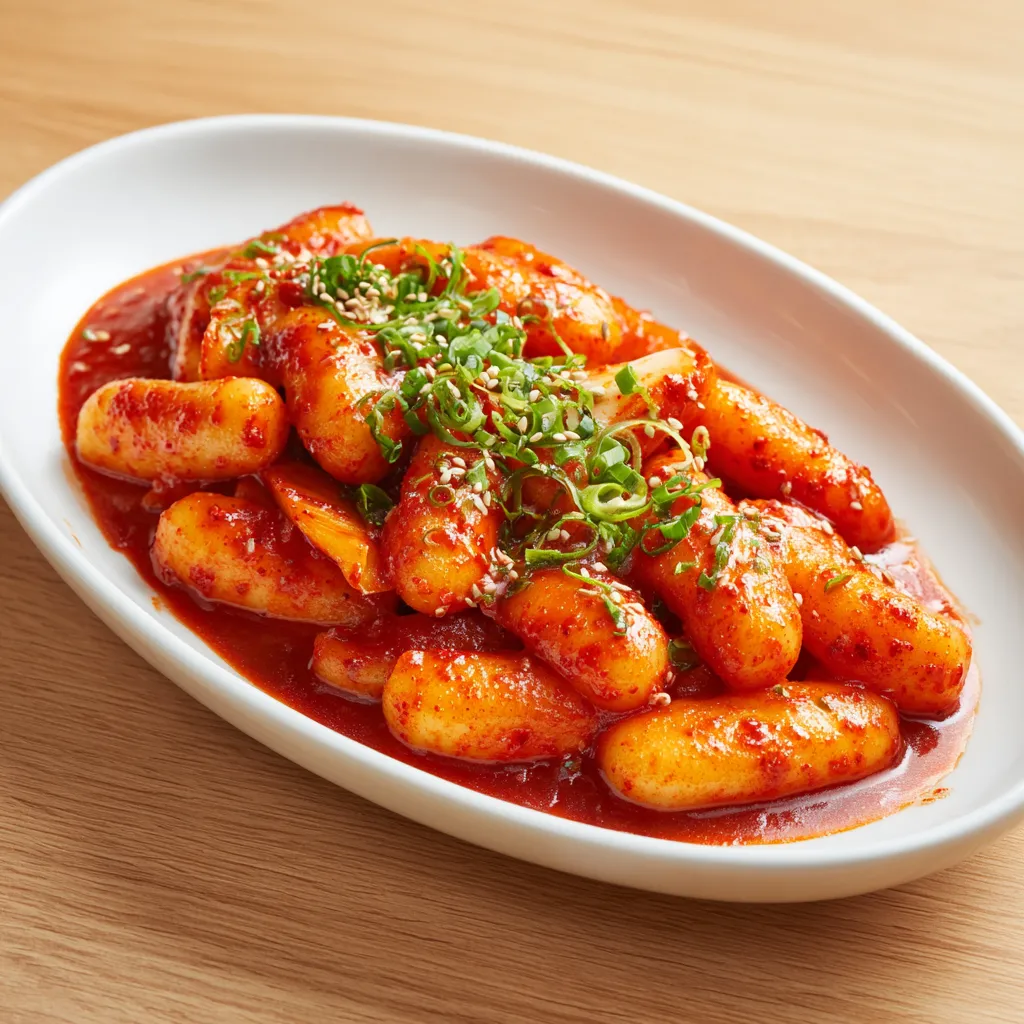
- Serve and Garnish: Once the rice cakes are fully cooked and the sauce is thick, remove from heat. Garnish with green onions and sesame seeds for extra flavor and texture.
Why This Yopokki Recipe is So Popular
- Spicy and Sweet Balance: The perfect combination of spicy heat from the gochujang and sweetness from the sugar makes this dish incredibly satisfying.
- Chewy Texture: The rice cakes provide a chewy and enjoyable texture that contrasts beautifully with the rich sauce.
- Quick to Make: You can easily prepare Yopokki recipe in under 30 minutes, making it a fast and flavorful snack or meal.
- Customizable: You can personalize the dish by adding cheese, vegetables, or mushrooms depending on your taste preferences.
Tips for the Perfect Yopokki recipe
- Adjust the Heat: If you prefer a milder dish, reduce the amount of gochujang or omit the gochugaru.
- Cheese Twist: For a creamy variation, add mozzarella cheese and stir it into the sauce until it melts into a gooey, delicious texture.
- Serving Suggestions: Serve with pickled radish on the side to balance the spicy flavor.
Why You Should Try This Yopokki Recipe
If you’ve ever had the pleasure of tasting Yopokki in Korea, you know just how addictive it can be. With this simple Yopokki recipe, you can enjoy the same delicious flavors right at home. The balance of sweet and spicy, along with the chewy rice cakes, will leave you craving more after each bite. It’s the ultimate comfort food that’s quick, easy, and satisfying!

Tteokbokki (떡볶이): Now Popular Worldwide
Tteokbokki (떡볶이) is no longer just a beloved street food in Korea—it’s become a global sensation. This dish, made from chewy rice cakes cooked in a spicy, savory-sweet sauce, has captured the hearts of food lovers worldwide. Here’s why Tteokbokki has become so popular across the globe:
- Cultural Influence: Thanks to the global rise of Korean culture, often referred to as the Korean Wave or Hallyu, dishes like Tteokbokki have made their way into the mainstream. With the popularity of K-pop and K-dramas, food from Korea, including Tteokbokki, has found a place on the global stage.
- Street Food Culture: Traditionally served as a quick snack by street vendors in Korea, Tteokbokki is now enjoyed in many countries. Its easy-to-make nature and versatile flavor profile make it a perfect dish for people looking to try new and exciting foods.
- Fusion Variations: Tteokbokki has been adapted in various ways to suit different tastes. From cheesy Tteokbokki to versions with seafood or vegetables, the dish has evolved into many forms that appeal to a wide range of food preferences.
- Social Media Influence: Its vibrant red color and mouthwatering sauce make Tteokbokki visually appealing, perfect for sharing on platforms like Instagram and TikTok. The dish has gone viral in many food communities, further increasing its global popularity.
- Comfort Food: The combination of chewy rice cakes and a bold, spicy sauce makes Tteokbokki a comforting dish that many turn to for warmth and satisfaction, especially in colder weather or during cozy gatherings.
Ingredients for Yopokki (Tteokbokki) Recipe:
- Tteok (Rice Cakes) – 300g
These are the chewy rice cakes that form the base of the dish. If you’re using dried rice cakes, soak them in warm water for 30 minutes before cooking. Fresh rice cakes can be used directly. - Gochujang (Korean Chili Paste) – 2 tbsp
The key ingredient that gives Yopokki recipe its distinctive spicy, savory, and slightly sweet flavor. It’s a fermented paste made from chili peppers, rice, and other ingredients. - Gochugaru (Korean Chili Flakes) – 1 tsp (Optional for extra heat)
This is a Korean chili pepper powder, often added to increase the heat of the dish. It’s optional but great if you like things spicy! - Soy Sauce – 1 tbsp
Adds a salty, umami flavor to balance the heat from the chili paste and other ingredients. - Sugar – 1 tbsp
Sweetens the sauce slightly to balance the spiciness of the gochujang. You can also adjust this based on your sweetness preference. - Minced Garlic – 2 cloves
Adds a fragrant, aromatic base to the sauce. Garlic is a staple in many Korean dishes and contributes depth to the flavor. - Sesame Oil – 1 tsp
This gives the dish a nutty fragrance and rich flavor, making it more authentic and enhancing the overall taste. - Water or Chicken Broth – 2 cups
The liquid base for the sauce. You can use water, but chicken broth adds a richer flavor that complements the other ingredients. - Fish Cakes – 100g (Optional)
Fish cakes (eomuk or odeng) are often added to Yopokki. They add a chewy, savory element to the dish. Slice them into strips or squares and add them during cooking. - Boiled Eggs – 2 (Optional)
Hard-boiled eggs are a common addition, adding a creamy texture that pairs well with the spiced sauce. Slice them in half and mix them into the dish before serving. - Green Onions – for garnish
Finely chopped green onions (scallions) add a fresh crunch and bright flavor, perfect as a garnish on top of your Yopokki. - Sesame Seeds – (Optional for garnish)
Toasted sesame seeds can be sprinkled on top to add a little crunch and enhance the dish’s nutty flavor.

Directions for Yopokki Recipe:
1. Soak the Rice Cakes (If Using Dried Tteok)
- If you’re using dried rice cakes (tteok), soak them in warm water for at least 30 minutes to soften them. If you’re using fresh rice cakes, you can skip this step and move on to the next one.
2. Prepare the Sauce
- In a large pan or wok, combine the following ingredients to make the sauce:
- 2 tbsp Gochujang (Korean Chili Paste)
- 1 tbsp Soy Sauce
- 1 tbsp Sugar
- 2 cloves of Minced Garlic
- 2 cups of Water (or Chicken Broth for richer flavor)
- Stir the ingredients together until they are well mixed and bring to a simmer over medium heat.
3. Add the Rice Cakes
- Once the sauce is simmering, add the soaked rice cakes into the pan (or fresh rice cakes if you’re using them). Stir to coat the rice cakes with the sauce.
- Let the rice cakes simmer for about 10-15 minutes. Stir occasionally to prevent them from sticking to the bottom of the pan.
- The sauce will thicken as the rice cakes absorb the flavor. If the sauce becomes too thick, you can add a little more water or broth to maintain the desired consistency.
4. Add Fish Cakes (Optional)
- If you are using fish cakes, slice them into thin strips or small pieces and add them to the pan about halfway through the cooking process.
- Stir them in, allowing them to cook through and absorb the sauce.
5. Add Boiled Eggs (Optional)
- If you’d like to include boiled eggs in your dish, you can either add the eggs at this point (sliced in half) or serve them separately as a garnish. They add a creamy texture and work wonderfully with the spicy sauce.
6. Garnish and Serve
- Once the rice cakes are tender and the sauce is thick and sticky, remove the pan from the heat.
- Garnish with freshly chopped green onions and sesame seeds (optional) to add some crunch and a bit of freshness to balance the heat.
- Serve the Yopokki (Tteokbokki) immediately while it’s hot and enjoy!

My Cookbooks
If you’re a fan of delicious dishes like Yopokki (Tteokbokki), check out my cookbooks! They’re packed with easy-to-follow recipes, including a special chapter dedicated to spicy street foods like Yopokki recipe.
1. Korean Flavors: A Taste of Tradition
Discover traditional Korean flavors with recipes like Yopokki. This book features not only Tteokbokki but also other Korean favorites that are rich in taste and easy to make at home.
2. Spicy and Sweet: Korean Street Food Recipes
If you love spicy street food, this cookbook is for you. It includes a section on Yopokki Recipe along with other popular Korean street foods like Hotteok and Bungeoppang.
3. One Pot Wonders: Easy Recipes for Busy Days
For those on a time crunch, this cookbook offers one-pot recipes, including a simplified version of Yopokki that’s perfect for busy days.
4. Vegetarian Korean Cuisine: Meatless Marvels
Looking for a vegetarian version of Yopokki recipe ? This cookbook offers a plant-based take on the traditional Tteokbokki, so everyone can enjoy this flavorful dish!
Buy Yopokki Ingredients Online
Here are some trusted websites where you can find the ingredients to make Yopokki (Tteokbokki):
- Yopokki Official Website: Buy Tteokbokki ingredients directly from the official site.
- Amazon: Look for ingredients like Gochujang, Tteok (Rice Cakes), and Gochugaru for making Yopokki.
- Asian Food Grocer: A great place to find all the authentic ingredients you’ll need for your Yopokki Recipe.
Trusted Yopokki Recipes
Here are some reliable sources to learn how to make the perfect Yopokki (Tteokbokki):
- My Korean Kitchen’s Tteokbokki Recipe: A trusted and simple recipe for Yopokki with detailed steps.
- Yopokki US Recipe: A straightforward recipe to make your Yopokki recipe at home.
- Maangchi’s Tteokbokki Recipe: Another trusted recipe by the famous Korean chef Maangchi for authentic Tteokbokki.
My Most Popular Korean Recipes
Explore my collection of popular Korean recipes that are loved by many! From traditional comfort foods to spicy street snacks, these dishes represent the vibrant and diverse flavors of Korea. Check out the recipes below, including the Yopokki Recipe (Tteokbokki), a favorite Korean street food:

Kimchi
Kimchi is a staple in Korean cuisine, made from fermented cabbage (or other vegetables) seasoned with gochujang (Korean chili paste), garlic, ginger, and other spices. It’s typically served as a side dish but can also be used in various recipes like Kimchi Jjigae (Kimchi Stew).
- Prep time: 1-2 hours (excluding fermentation)
- Flavor: Spicy, tangy, and umami
Easy Kimchi
This is a quick version of traditional kimchi. It’s perfect for those who want to enjoy the flavor of kimchi without the long fermentation process. It still delivers that signature spicy kick!
- Prep time: 30 minutes
- Flavor: Spicy, fresh, and crunchy
Japchae
Japchae is a stir-fried noodle dish made from sweet potato starch noodles, vegetables, and sometimes meat (beef or chicken). It’s often dressed in a soy-based sauce and loved for its slightly sweet and savory flavors.
- Prep time: 30 minutes
- Flavor: Sweet, savory, and slightly umami
Cheese Buldak
Cheese Buldak features spicy grilled chicken topped with melted cheese, creating a delicious combination of heat and creaminess. It’s a popular comfort food that’s spicy yet rich and flavorful.
- Prep time: 40 minutes
- Flavor: Spicy, creamy, and savory
Sundubu-jjigae
This is a soft tofu stew made with vegetables, often seafood or pork, and seasoned with gochujang and other spices. It’s rich, spicy, and comforting, perfect for colder days.
- Prep time: 25 minutes
- Flavor: Spicy, savory, and hearty
Yachaejeon
Yachaejeon are crispy vegetable pancakes, often served with a soy-based dipping sauce. They make a great appetizer or side dish, offering a light, savory flavor.
- Prep time: 20 minutes
- Flavor: Crispy, savory, and light
Jjajangmyeon
Jjajangmyeon is a Korean-Chinese dish made with thick wheat noodles and a savory black bean paste sauce, usually combined with pork and vegetables. It’s one of Korea’s most loved comfort foods.
- Prep time: 40 minutes
- Flavor: Savory, sweet, and a little salty
Tteokbokki (Yopokki Recipe)
Tteokbokki, also known as Yopokki recipe, is a beloved Korean street food made from chewy rice cakes in a spicy-sweet sauce. It’s often served with fish cakes, hard-boiled eggs, and vegetables. This dish offers a satisfying balance of heat and sweetness.
- Prep time: 30 minutes
- Flavor: Spicy, sweet, and savory
- Optional Add-ins: Fish cakes, boiled eggs, vegetables
Dakgangjeong
Dakgangjeong is crispy fried chicken glazed in a sticky and sweet sauce. This dish is crunchy on the outside and tender on the inside, making it a popular snack or appetizer.
- Prep time: 45 minutes
- Flavor: Sweet, savory, and crispy
Oi-muchim
Oi-muchim is a light and refreshing cucumber salad that’s tossed in a spicy and tangy dressing made from gochugaru (chili flakes), vinegar, sesame oil, and garlic. It’s the perfect side dish for balancing spicier main courses.
- Prep time: 10 minutes
- Flavor: Refreshing, tangy, and spicy
Gimbap (Kimbap)
Gimbap (or Kimbap) is the Korean version of sushi, made by rolling steamed rice, vegetables, eggs, and sometimes meat in a sheet of seaweed. It’s easy to make and is often enjoyed for lunch or as a snack.
- Prep time: 20 minutes
- Flavor: Savory, lightly sweet, and slightly sea-salty
Kimchi-jjigae
Kimchi-jjigae is a comforting stew made with kimchi, tofu, and pork (or beef). It’s spicy and tangy, offering a deep, rich flavor that’s perfect for chilly days.
- Prep time: 30 minutes
- Flavor: Spicy, tangy, and savory
Kimchi-bokkeumbap
Kimchi-bokkeumbap is a delicious fried rice made with spicy kimchi and other ingredients, often topped with a fried egg. It’s an excellent way to use up leftover rice and get a quick, tasty meal.
- Prep time: 20 minutes
- Flavor: Spicy, savory, and umami
Bibimbap
Bibimbap is a famous Korean rice bowl topped with a variety of vegetables, egg, and sometimes meat. It’s often mixed with gochujang (Korean chili paste) to bring everything together. This is a wholesome and delicious meal.
- Prep time: 25 minutes
- Flavor: Savory, spicy, and slightly sweet
Doenjang-jjigae
Doenjang-jjigae is a rich stew made with doenjang (Korean soybean paste), tofu, and vegetables. It’s a comforting and hearty dish, usually served with steamed rice.
- Prep time: 30 minutes
- Flavor: Earthy, savory, and satisfying
Kimchijeon
Kimchijeon is a savory Korean pancake made with kimchi and a simple batter. It’s crispy on the outside and tender on the inside, making it a great appetizer or snack.
- Prep time: 20 minutes
- Flavor: Crispy, savory, and slightly spicy
These are just some of the most popular Korean recipes that offer an authentic taste of Korea. Don’t miss trying the Yopokki Recipe (Tteokbokki) for a sweet, spicy, and chewy treat. Each recipe has its own unique flavors that will transport you straight to Korea!
Tips for Perfecting Your Yopokki Recipe
To ensure your Yopokki Recipe (Tteokbokki) comes out perfectly every time, follow these helpful tips that will give you that authentic Korean street food taste and texture:
1. Use Fresh Rice Cakes
For the best chewy texture and taste, use fresh rice cakes (tteok) instead of dried or frozen ones. Fresh rice cakes will give you the perfect bite and chewy consistency that is essential for Yopokki.
- Tip: If you can’t find fresh rice cakes, soak frozen or dried ones in warm water for about 20 minutes before cooking.
2. Adjust the Spice Level
Yopokki recipe can be quite spicy depending on the amount of gochujang (Korean chili paste) and gochugaru (chili flakes) used. If you prefer a milder version, simply reduce the amount of chili paste or add a little sugar to balance the spice.
- Tip: Start with a small amount of chili paste and taste as you go to find your ideal spice level.
3. Add Extra Ingredients for More Flavor
You can customize your Yopokki Recipe by adding extra ingredients like fish cakes (eomuk), boiled eggs, or even vegetables like cabbage, onions, or spinach. These extra additions will make the dish even more flavorful and satisfying.
- Tip: Adding hard-boiled eggs and fish cakes is a traditional way to elevate the dish in Korean street food culture.
4. Don’t Overcook the Rice Cakes
Be cautious not to overcook the rice cakes. Once the sauce thickens and the rice cakes are soft but still chewy, remove the dish from the heat. Overcooking can cause them to become mushy.
- Tip: Keep an eye on the texture of the rice cakes; they should be tender but still firm enough to have a nice chew.
5. Simmer the Sauce Gently
For the perfect sauce consistency, simmer it gently to allow it to thicken without boiling too vigorously. This ensures the sauce will coat the rice cakes evenly without separating.
- Tip: Stir the sauce occasionally while simmering to prevent it from burning at the bottom.
6. Serve Immediately
Yopokki is best served hot right after cooking. The rice cakes can lose their chewiness, and the sauce can become too thick if left to sit too long, so serve it as soon as it’s ready.
- Tip: Keep the dish covered while serving to maintain its warmth.
7. Pair with a Cool Side
If you find the heat from Yopokki too intense, balance it with a refreshing side like Oi-muchim (spicy cucumber salad). The contrast of cool and spicy flavors will make your meal even more enjoyable.
- Tip: A simple side like Kimchi or a cold vegetable dish is the perfect complement to the heat of Yopokki.
8. Experiment with New Flavors
Feel free to get creative with the Yopokki Recipe. Add a little sesame oil for a nutty aroma or a splash of soy sauce to enhance the umami flavor of the sauce. Some even like to add a bit of vinegar for acidity and balance.
- Tip: Experiment with different flavor variations to make Yopokki your own signature dish.
9. Store Leftovers Properly
If you have leftovers, store them in an airtight container in the fridge. When reheating, add a little water or broth to loosen up the sauce, as it tends to thicken when cooled.
- Tip: Yopokki is best enjoyed fresh, but if you have leftovers, gently reheat to keep the rice cakes’ texture intact.
These tips will help you create a perfectly flavorful and satisfying Yopokki Recipe every time. Enjoy this delicious Korean street food, and feel free to add your personal touch! Happy cooking!
Yopokki Recipe (Tteokbokki)
Equipment
- Large pan or wok
- Wooden spoon or spatula
- Knife and cutting board (if using vegetables)
- Measuring spoons
- Medium-sized bowl (for mixing sauce)
Ingredients
- 1 lb 450g fresh rice cakes (tteok)
- 2 tablespoons gochujang Korean chili paste
- 1 tablespoon gochugaru Korean chili flakes – optional for extra heat
- 1 tablespoon soy sauce
- 1 tablespoon sugar or honey
- 2 cups 480ml water or broth (vegetable or chicken)
- 1 tablespoon sesame oil
- 2 garlic cloves minced
- 1 medium onion thinly sliced
- 2 boiled eggs optional
- 1/2 cup fish cakes optional
- Sesame seeds for garnish
- Scallions green onions, sliced (for garnish)
Instructions
- Prepare the rice cakes: If using frozen or dried rice cakes, soak them in warm water for 20 minutes to soften them. Fresh rice cakes can be used directly.

- Cook the sauce: In a large pan or wok, heat sesame oil over medium heat. Add the minced garlic and sliced onions, sautéing until fragrant and the onions are soft (about 2 minutes).

- Add the sauce ingredients: Stir in gochujang, gochugaru, soy sauce, and sugar. Add water or broth and bring to a simmer. Stir occasionally until the sauce thickens slightly (about 5-7 minutes).

- Add rice cakes: Add the soaked rice cakes to the pan, stirring to coat them evenly in the sauce. Let them simmer for 10-15 minutes, stirring occasionally, until the rice cakes are tender and chewy.

- Add optional ingredients: If using fish cakes or boiled eggs, add them to the pan in the last few minutes of cooking to heat through.

- Garnish and serve: Once the rice cakes are fully cooked and the sauce has thickened to your liking, remove from heat. Garnish with sesame seeds and sliced scallions before serving.

Notes
Frequently Asked Questions (FAQs) About Yopokki Recipe
1. What is Yopokki?
Yopokki (also known as Tteokbokki) is a popular Korean street food made with chewy rice cakes (tteok) coated in a spicy-sweet sauce made from gochujang (Korean chili paste) and gochugaru (chili flakes). It’s a flavorful, comforting dish often served with additional ingredients like fish cakes, boiled eggs, or vegetables.
2. Can I make Yopokki without Gochujang?
While gochujang (Korean chili paste) is an essential ingredient for the authentic taste of Yopokki, if you can’t find it, you can substitute it with a mix of other chili pastes, soy sauce, and a bit of sugar. However, this might change the flavor slightly.
- Tip: Consider adding a little bit of miso paste or sriracha to mimic the umami and spicy kick of gochujang.
3. Can I freeze leftover Yopokki?
Yes, you can freeze leftover Yopokki, but keep in mind that the rice cakes might lose some of their chewy texture when reheated. To freeze, store the dish in an airtight container, and when you’re ready to eat it, thaw it in the fridge and reheat gently on the stove, adding a little water or broth if needed.
4. How can I make my Yopokki less spicy?
If you prefer a milder version of Yopokki, you can reduce the amount of gochujang and gochugaru used in the recipe. Alternatively, you can add a little sugar or honey to balance the heat and create a sweeter flavor.
5. Can I add vegetables to my Yopokki?
Absolutely! Yopokki is very customizable. You can add vegetables like onions, cabbage, spinach, or carrots. These not only add nutritional value but also enhance the flavor and texture of the dish. If you prefer a more traditional take, adding fish cakes and boiled eggs is highly recommended.
6. How do I make the sauce thicker?
To make the Yopokki sauce thicker, allow it to simmer for a little longer, or you can mix in a cornstarch slurry (a mixture of cornstarch and water) towards the end of cooking. Be sure to stir continuously to prevent the sauce from burning
7. What type of rice cakes should I use for Yopokki?
For authentic Yopokki, you should use tteok, which are chewy rice cakes specifically made for this dish. They come in different sizes and shapes, but the most common variety is cylindrical. If fresh tteok is unavailable, you can use frozen rice cakes, but be sure to soak them in warm water before cooking.
8. Can I make Yopokki ahead of time?
While Yopokki is best served fresh, you can prepare the rice cakes and sauce in advance and store them separately. When ready to serve, reheat the sauce and rice cakes together, adding a bit of water or broth to loosen up the sauce.
9. Is Yopokki gluten-free?
The rice cakes in Yopokki are typically made with rice flour, which is gluten-free. However, gochujang (Korean chili paste) can sometimes contain gluten, so make sure to choose a gluten-free version of gochujang if you need to follow a gluten-free diet.
10. Can I make a vegetarian or vegan version of Yopokki?
Yes! You can make a vegetarian or vegan version of Yopokki by using plant-based substitutes for fish cakes and boiled eggs. For example, you can use tofu instead of fish cakes, and skip the eggs entirely for a vegan version. Also, check the ingredients in your gochujang to ensure it’s free of animal products.
11. How spicy is Yopokki?
The spiciness of Yopokki depends on the amount of gochujang (Korean chili paste) and gochugaru (chili flakes) used. Traditionally, it has a medium to high spice level, but you can adjust it to your taste by reducing the chili paste or adding sweeteners like sugar or honey to tone it down.

Conclusion: Master the Yopokki Recipe
To wrap up, the Yopokki Recipe (Tteokbokki) offers a delicious and versatile dish that’s perfect for anyone looking to explore the world of Korean street food. With its chewy rice cakes and the perfect balance of spicy and sweet sauce, Yopokki is sure to become a favorite in your kitchen.
By following the recipe and using fresh, quality ingredients, you’ll be able to create a mouth-watering dish that’s authentic and customizable to your taste. Whether you prefer it extra spicy or with added veggies, this Yopokki Recipe is as flexible as it is tasty.
So, gather your ingredients, follow the steps, and enjoy a satisfying meal that brings the flavors of Korea straight to your table. Happy cooking, and don’t forget to experiment with different variations of the Yopokki Recipe!
⬅️ Back to Home