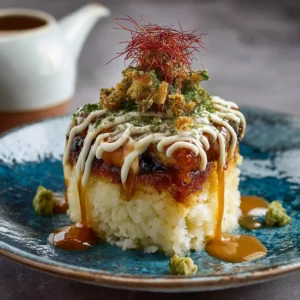
It looks like you want a recipe for japanese mounjaro recipe. But it sounds like you might be talking about something specific, like a dish from a certain area or with a certain name. “Mounjaro” is not a common Japanese dish. Could you please give me more information or explain if you were talking about a certain Japanese dish or a recipe that uses a certain ingredient?
Table of Contents
How to Make japanese mounjaro recipe
Quick Overview:
Provide a brief description of the recipe. This could include its origin, unique qualities, or why it’s worth making. Example: “Japanese Mounjaro is a hearty dish inspired by Japanese mountain cuisine, known for its rich flavors and nourishing ingredients, perfect for cold weather.”
Key Ingredients:
List the essential ingredients that define the recipe.
- Rice
- Fish (or tofu)
- Soy Sauce
- Seaweed
- Vegetables (e.g., mushrooms, carrots)
Directions:
- Rice Cooking: Rinse 1 cup of rice in cool water until it flows clean. In a saucepan, add two cups of water and cook the rice over moderate heat. Follow the instructions on the packaging. Once done, set aside.
- Sauté vegetables:
- Heat one tablespoon of sesame oil in a saucepan over a medium-low flame. Include 1 cup of mixed vegetables (such as carrots, mushrooms, and onions)—Mix-fry for about 5 minutes, or until vegetables become tender.
- Cook the protein:
- Incorporate 200 grams of fish (or tofu as an alternative that is vegetarian) in the pan alongside the vegetables. Add three tablespoons of soy sauce to the salmon (or tofu), then cook it for about 5-7 minutes before flipping to cook the fish (or tofu) until it is cooked.
- To assemble the dish:
- Place the rice that has been cooked in serving bowls. Serve with sauteed vegetables as well as seafood (or the tofu). Add a layer of nori (seaweed) for a traditional taste and a little extra flavor.
Why You’ll Love This Japanese Mounjaro Recipe
Main Highlights:
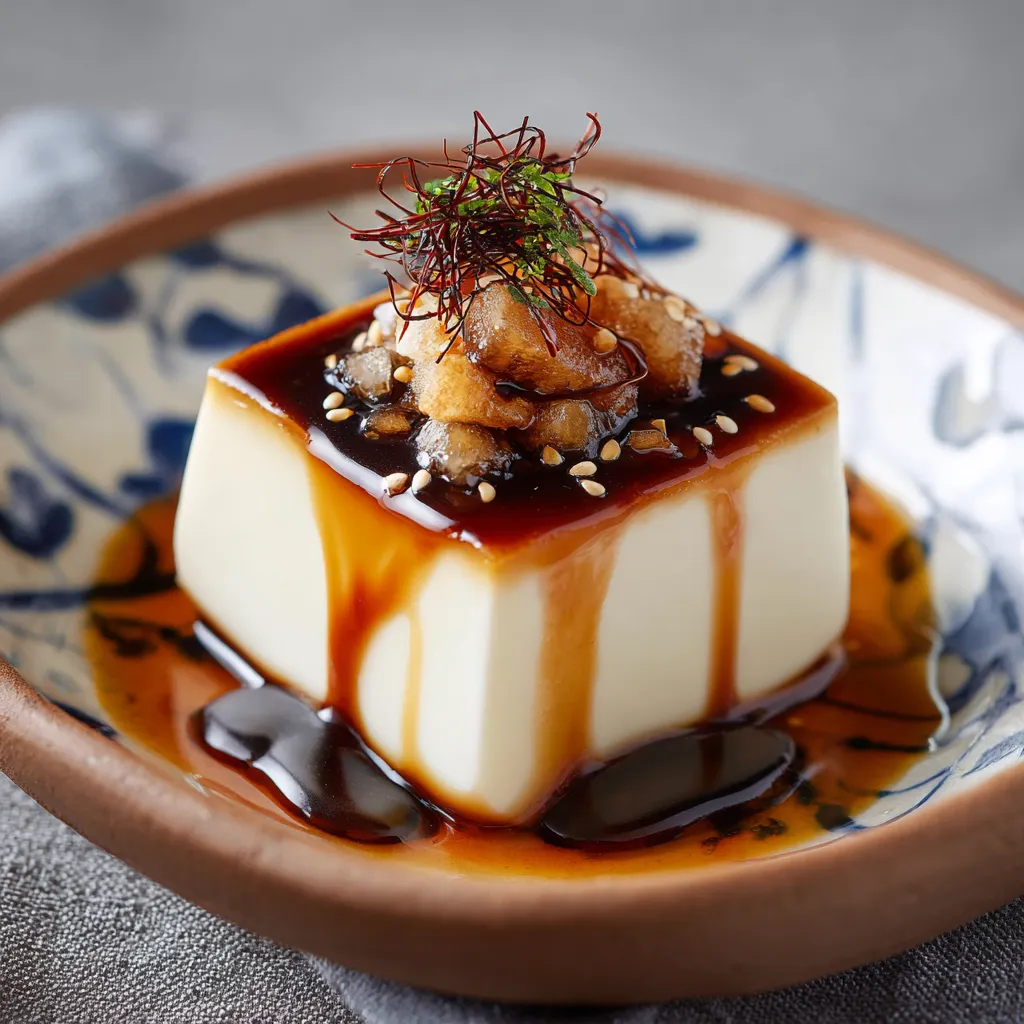
This Japanese Mounjaro recipe will make your kitchen smell and taste like Japan. It has the perfect mix of savory and fresh ingredients that will make your mouth water. This dish is sure to impress, no matter how experienced you are in the kitchen or how new you are to it.
Cost-Saving Benefits:
This homemade recipe lets you enjoy an authentic Japanese meal for a lot less money than going out to eat. You can easily find the ingredients at your local supermarket or Asian grocery store, so it’s a cheap but tasty choice for any occasion.
Flavorful Toppings and Customizations:
This recipe is great because you can use it in so many ways. You can add your favorite toppings, like a dash of sesame seeds, a sprinkle of seaweed, or a drizzle of soy sauce. You can change the flavors to suit your taste, so every meal is one of a kind!
What to Serve With Japanese Mounjaro Recipe
For the best meal, serve your Japanese Mounjaro with steamed white rice or a bowl of miso soup on the side. You could also serve it with some sautéed vegetables or a cool cucumber salad to add texture and balance. If you’re feeling brave, adding edamame or pickled ginger to the meal can make it even better.
Top Tips for Perfecting Japanese Mounjaro Recipe
Use fresh ingredients: Fresh fish or vegetables will really change the way things taste. Always look for the freshest fruits, vegetables, or proteins you can find.
Balance of Flavors: A delicate balance of flavors is what makes Japanese food so good. Please don’t put too much seasoning on the dish so that it overpowers it. Let the flavors of the food shine through!
Be careful with the heat: When cooking with oil, be careful not to let it get too hot, or you could burn the food. Keep it moderate to keep the flavors.
Ingredient Substitutions
If you don’t like seafood, you can use thinly sliced chicken breast or tofu instead.
If you want a gluten-free option, tamari or coconut aminos are good choices instead of soy sauce.
Vegetables: The recipe may call for certain vegetables, like bok choy, but you can use spinach or napa cabbage instead if you have them on hand.
Timing Adjustments
How long it takes to cook Mounjaro will depend on the kind and thickness of your protein. You might want to add a few minutes to the cooking time if the fish or meat is thicker. Be careful not to overcook the protein, though, or it could become dry. Use a knife or fork to see if it’s done. It’s done if it comes apart easily.
Storing and Reheating Tips:
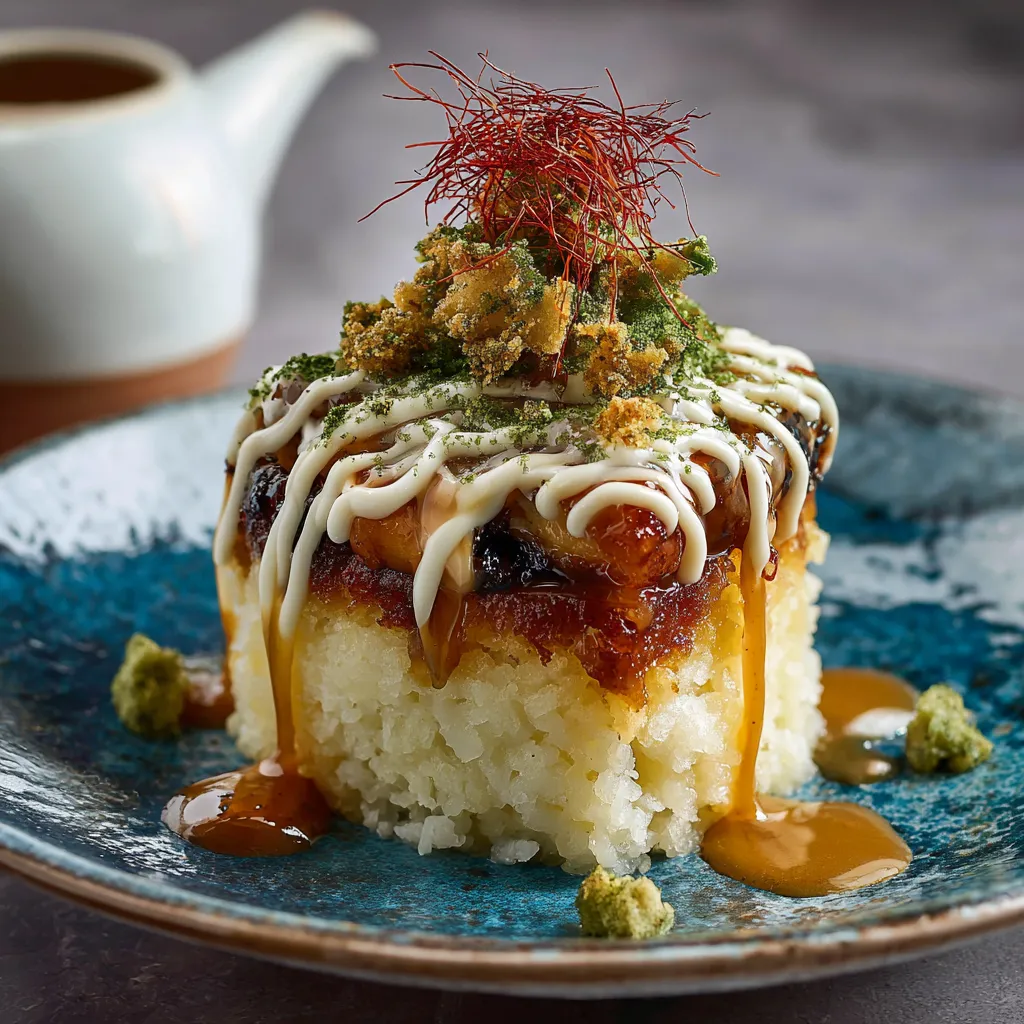
How to Store
Before putting your Japanese Mounjaro away, let it cool to room temperature. This will stop moisture from getting into the container.
Put the leftovers in a container that doesn’t let air in so they stay fresh for 2 to 3 days in the fridge.
Keep the protein, vegetables, and sauces in separate containers if you can. This will help them keep their textures and flavors. This will keep the dish from getting cold and make it easier to heat up again.
You can freeze the dish for up to a month if you want to keep it for a long time. Please make sure the containers are safe to put in the freezer and leave some space for them to grow.
How to Reheat
Microwave: Put the Mounjaro in a container that can go in the microwave and cover it loosely with a lid or paper towel. Heat for 30 seconds at a time, stirring between each one, until the food is hot.
On the stovetop: To get the best texture, reheat your Mounjaro on low heat. To keep the dish from drying out, add a little water or broth. Stir every so often until it is hot all the way through.
Don’t Overheat: Be careful not to overheat, or the protein might get tough or the vegetables might lose their crunch. To keep the best flavor and texture, only reheat until hot and don’t do it more than once.
Health Benefits of Japanese Mounjaro Recipe
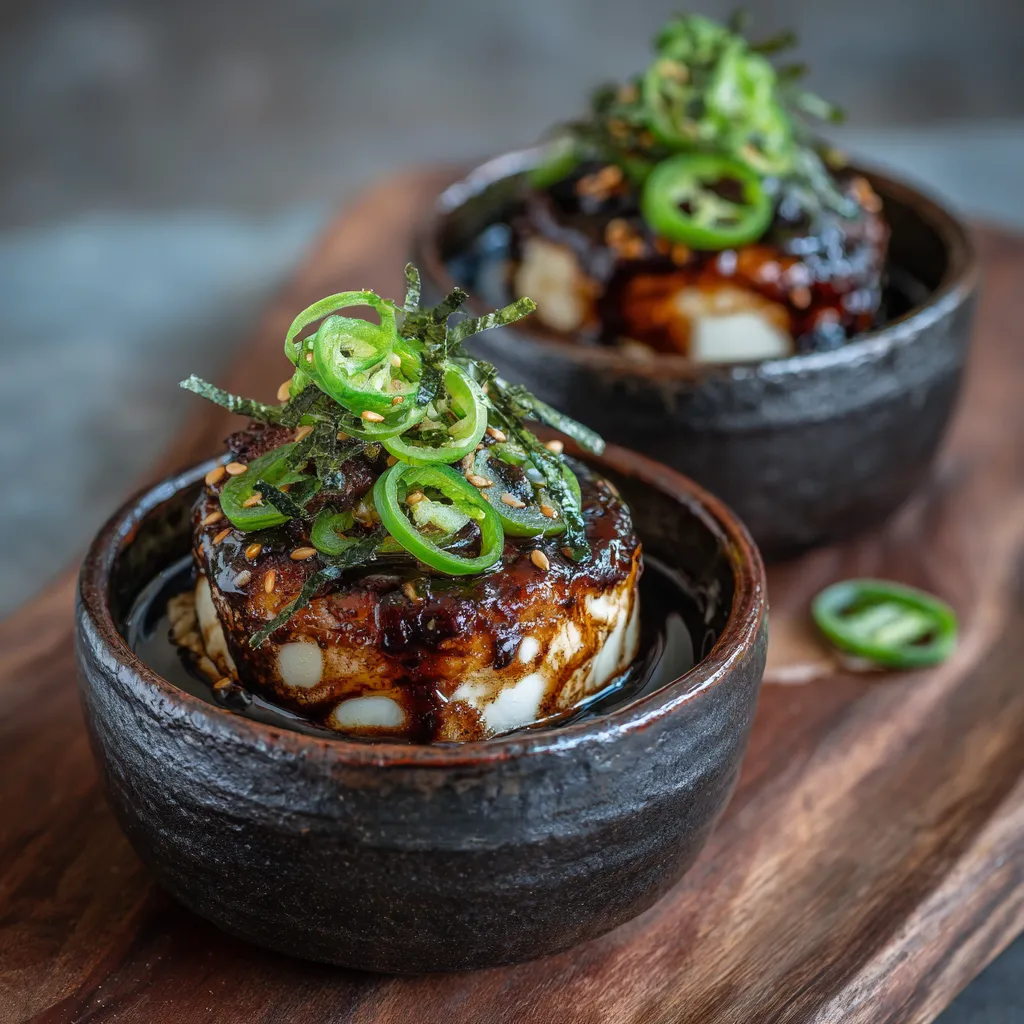
Japanese Mounjaro is not only tasty, but it’s also good for you. The dish has a good mix of lean proteins, healthy fats, and vegetables that are high in fiber. Here are some of the most essential health benefits:
High in Omega-3 Fatty Acids: Salmon and other fish are excellent sources of omega-3 fatty acids, which are suitable for your heart and help reduce inflammation.
High in Protein: The primary protein sources in this recipe, like fish or tofu, give you high-quality protein that your body needs to repair muscles and work properly.
Helps Digestion: The dish has a lot of dietary fiber from a variety of vegetables, which helps keep your digestion healthy and makes you feel full longer.
Ginger and garlic, two common ingredients in Japanese food, have anti-inflammatory properties that help your immune system and fight off infections.
Low in Calories: Japanese Mounjaro is an excellent choice if you’re trying to lose weight because it’s full of nutrients but not too many calories.
Nutritional Value Table
This is an estimate of how healthy one serving of Japanese Mounjaro (about 300g, with fish as the protein source) is:
Why These Ingredients Are Good for You
Fish (Salmon or Other Options): Salmon and other fish are high in omega-3 fatty acids, which lower cholesterol and lower the risk of heart disease. They also have a lot of protein and essential vitamins like B12 and D.
Tofu (for a plant-based option): Tofu is an excellent source of plant-based protein because it has all nine essential amino acids. It also has a lot of iron and calcium, which are suitable for your bones and blood.
Vegetables (like bok choy and carrots): Bok choy and other vegetables are low in calories but high in vitamins A, C, and K, as well as folate. These are important for keeping your skin healthy, boosting your immune system, and stopping long-term illnesses.
Ginger and garlic : are two ingredients that are known to help fight inflammation and protect cells from damage. Ginger helps with digestion, and garlic helps keep your heart healthy by keeping your cholesterol and blood pressure in check.
Soy sauce :adds flavor without adding calories when used in moderation. It also has antioxidants that help protect your cells.
Conclusion
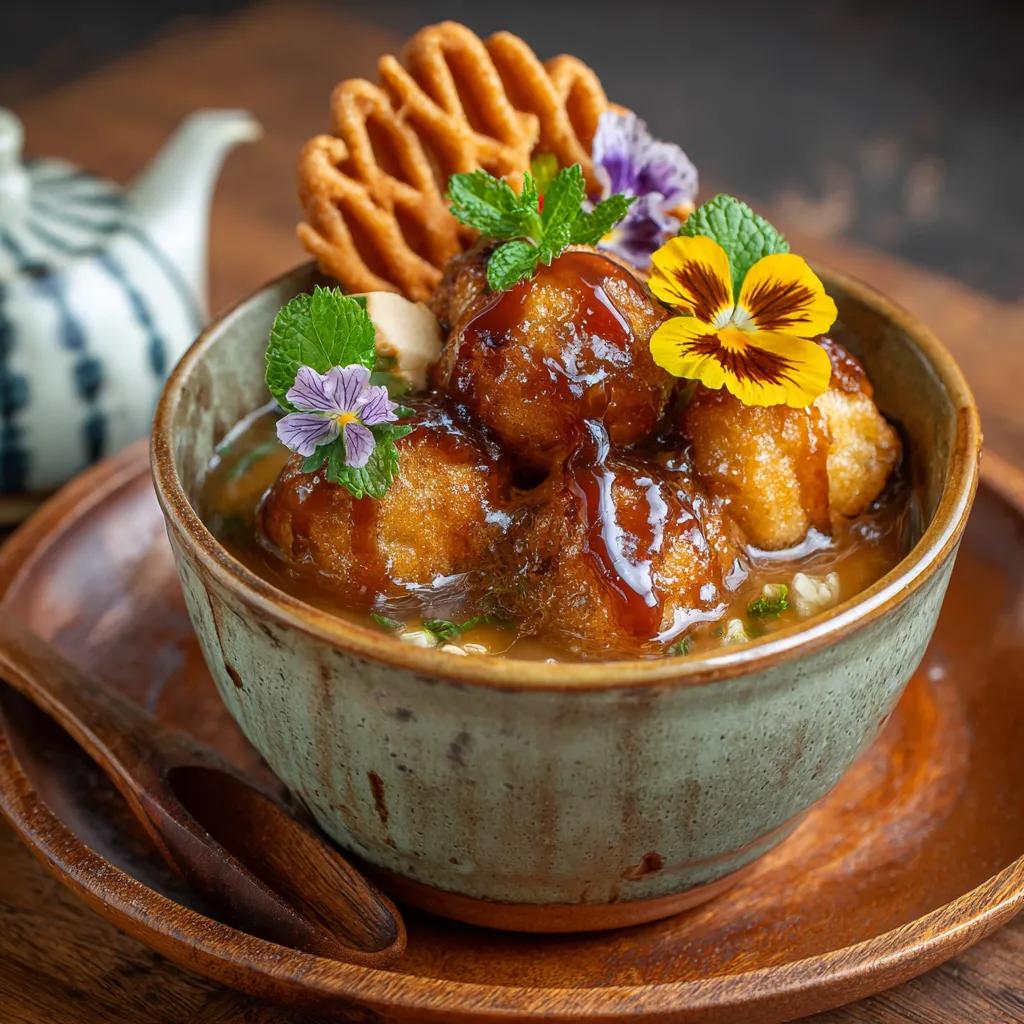
Japanese Mounjaro is a tasty, healthy, and flexible dish that can be eaten at any time. Its mix of lean proteins, vegetables, and rich flavors makes it both filling and nutritious, whether you eat it as a quick meal or a special treat.
Printable version
Japanese Mounjaro Recipe
Equipment
- Frying pan or wok
- Mixing bowls
- Knife and chopping board
- Measuring spoons
- Stirring spoon
- Ladle or serving spoon
- Serving plates
Ingredients
- 2 fillets of fish salmon or your choice of protein or 1 block of tofu
- 1 cup bok choy or spinach chopped
- 1 medium carrot julienned
- 2 tablespoons soy sauce or tamari for gluten-free
- 1 tablespoon sesame oil
- 1 tablespoon fresh ginger grated
- 1 clove garlic minced
- 1 tablespoon rice vinegar
- 1 teaspoon sesame seeds optional
- 1 tablespoon green onions chopped
- 1/2 cup cooked rice optional, for serving
Instructions
- Prepare the Protein: If using fish, season with a pinch of salt and pepper. If using tofu, press it to remove excess moisture, then cut into cubes.
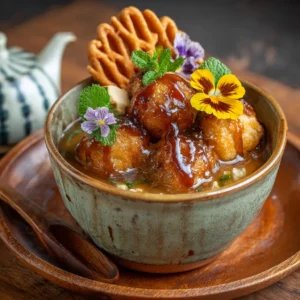
- Sauté Aromatics: Heat sesame oil in a pan over medium heat. Add garlic and ginger, sautéing for 1-2 minutes until fragrant.
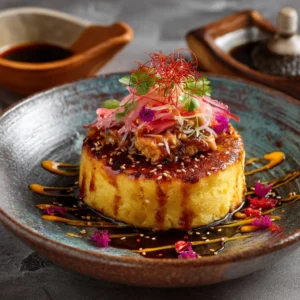
- Cook Protein: Add the fish or tofu to the pan. Cook fish for about 3-4 minutes on each side, or until it flakes easily (for fish), or cook tofu until golden brown on all sides.
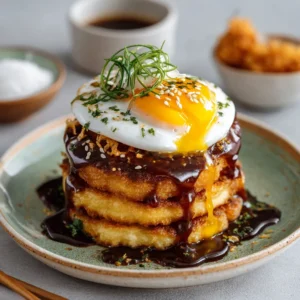
- Add Vegetables: Stir in the bok choy or spinach and carrots, cooking for another 2-3 minutes until the vegetables are tender but still crisp.
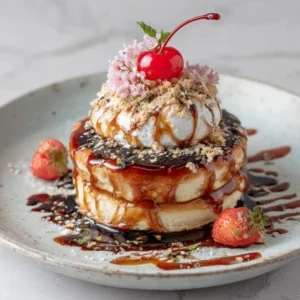
- Add Flavor: Pour in soy sauce and rice vinegar, stirring well to combine all the ingredients. Let it simmer for a minute to allow the flavors to meld together.
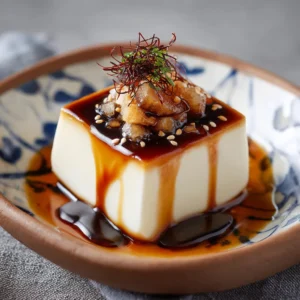
- Serve: Plate the dish with a side of rice (optional), and sprinkle with sesame seeds and green onions for extra flavor and crunch.