
Puerto Rican Arepas Puerto Rican arepas are a staple, and signature in the cuisine of my host country. Crispy on the outside, soft in the middle, these toothsome cakes based on cornmeal make for delicious contrast and enjoyment. Puerto Rican arepas are commonly eaten for breakfast, as a snack, or as part of a larger meal. Whether filled with cheese, meat or other tasty toppings, Puerto Rican arepas may also be enjoyed as a blank canvas for flavors.
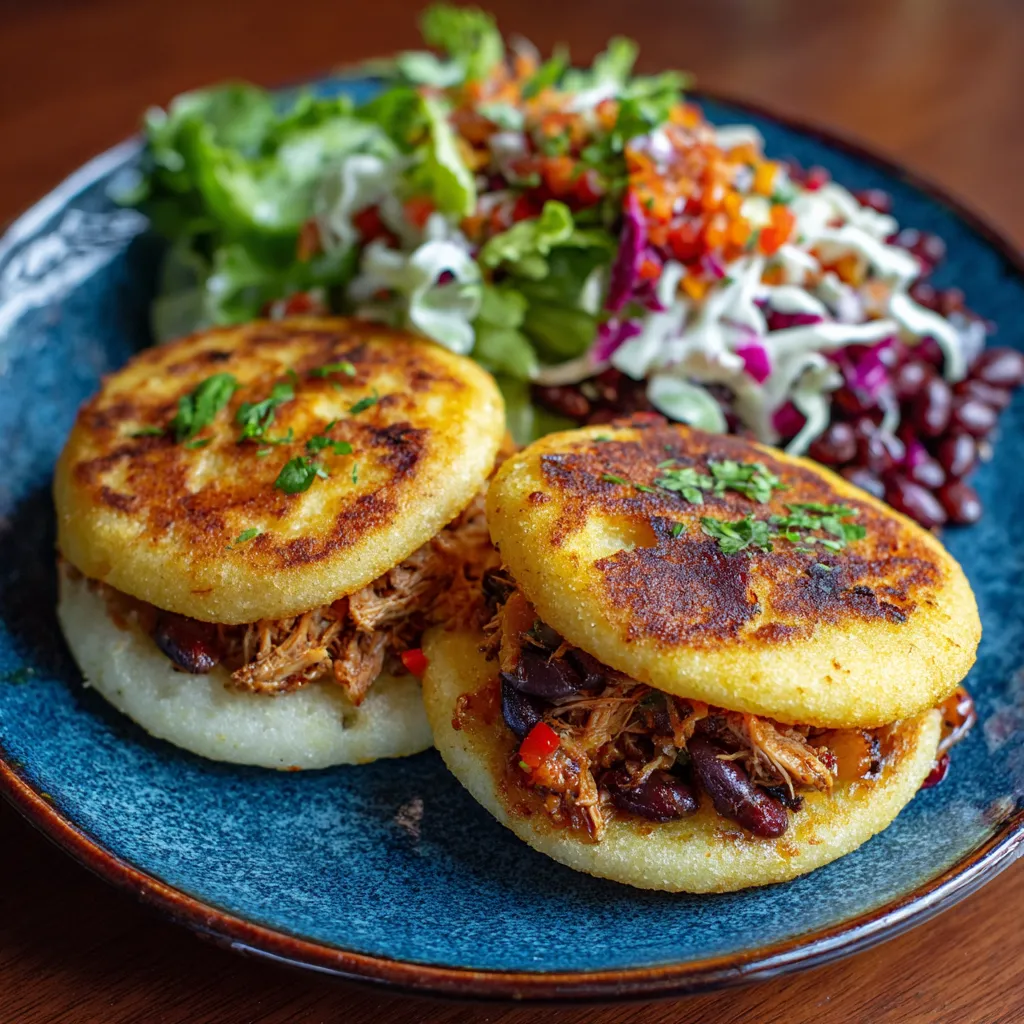
In this detailed guide, we will focus on the Puerto Rican arepas ingredients, their preparation, and how you can make them from scratch. From understanding the basic components to tips for perfecting the dish, this recipe will guide you in making Puerto Rican arepas Ingredients that taste just like the ones served in homes and restaurants across Puerto Rico. We will also explore various variations of the recipe and offer suggestions for alternative ingredients.
What Are Puerto Rican Arepas?
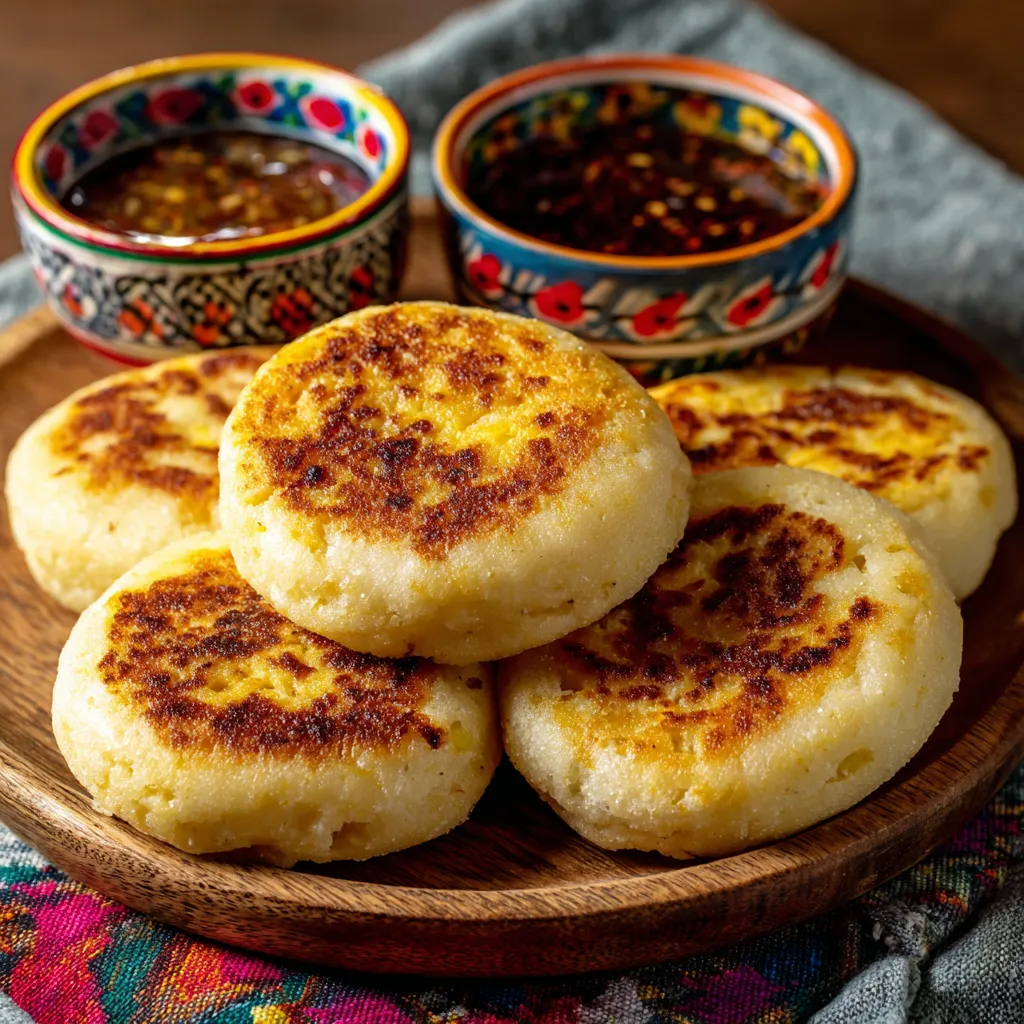
Puerto Rican Arepas Ingredients are a type of cornmeal cake that’s traditionally prepared by combining cornmeal, water, salt, and butter to create a dough. The dough is shaped into small, flat discs that are either grilled, fried, or baked until golden brown and crispy on the outside, with a soft and fluffy interior. Puerto Rican arepas are commonly served with various fillings such as Puerto Rican cheese, scrambled eggs, or shredded meat, making them a versatile and satisfying dish.
Though Puerto Rican arepas Ingredients share similarities with other types of arepas found in Latin American cuisines, the Puerto Rican version typically stays simple and savory. These arepas are usually enjoyed during breakfast or as a light snack, but can easily be turned into a full meal by adding a variety of fillings and toppings.
Key Puerto Rican Arepas Ingredients
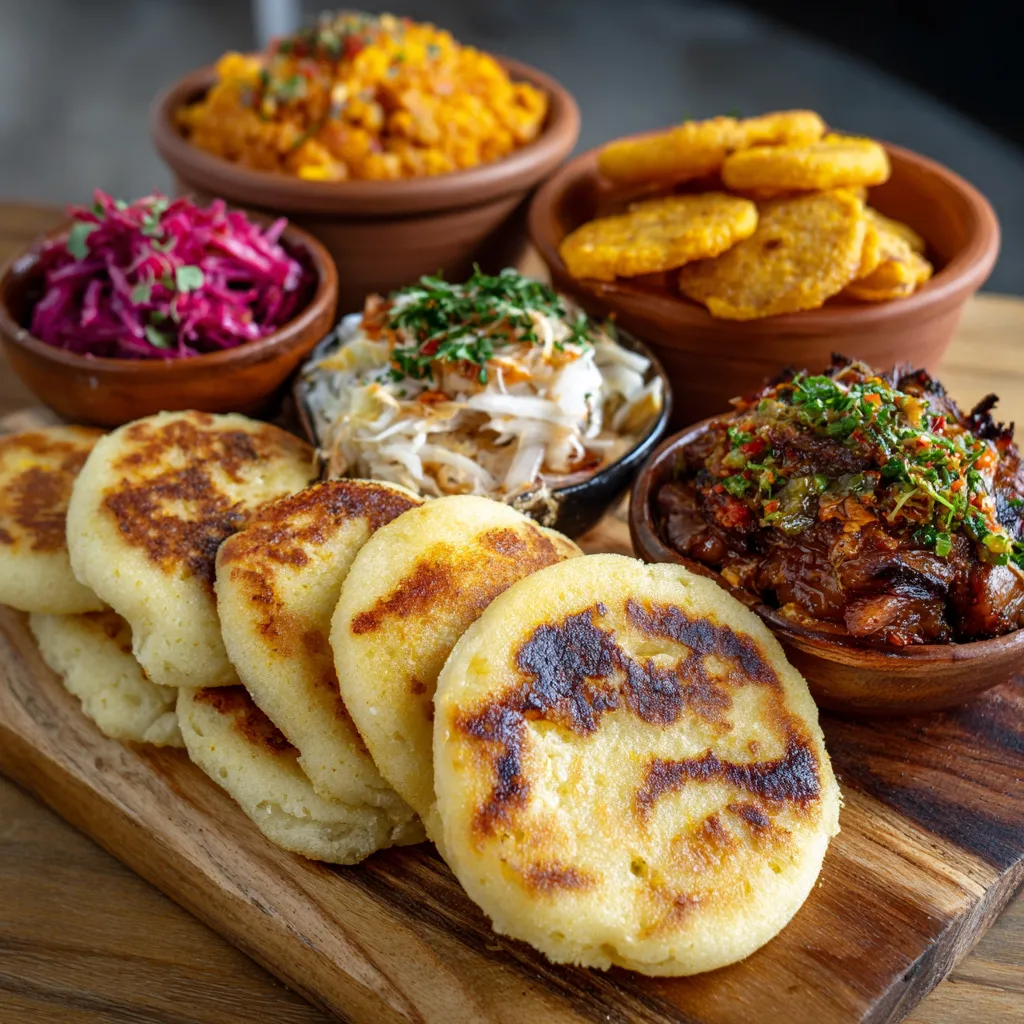
To prepare the perfect Puerto Rican Arepas, it’s important to have the right ingredients. Below, we’ll detail the essential Puerto Rican arepas ingredients you’ll need to make this dish. Understanding each ingredient will also help you customize the recipe to your own tastes.
1. Cornmeal (Dried Corn Flour)
The key ingredient in Puerto Rican Arepas Ingredients is cornmeal. Fine cornmeal (sometimes called corn flour) is typically used for making these cakes. Cornmeal gives Puerto Rican arepas their distinctive texture: slightly gritty yet soft on the inside, with a crispy exterior when cooked.
- Tip: It’s important to use fine cornmeal, as coarse cornmeal will result in a rougher texture. If you can’t find cornmeal, masa harina (corn flour) works well as an alternative.
2. Water
Water is used to hydrate the cornmeal and turn it into dough. Warm water is best for this, as it allows the cornmeal to absorb the liquid more efficiently and creates a smoother dough.
- Tip: Gradually add the water to the cornmeal and stir until the dough reaches a soft, but not sticky consistency. If the dough is too dry, add a little more water; if it’s too wet, sprinkle in some additional cornmeal.
3. Salt
Salt is added to enhance the flavor of the dough. A pinch of salt helps balance the natural sweetness of the cornmeal, bringing out the savory notes of the dish.
- Tip: You can adjust the amount of salt based on your preference. Since Puerto Rican cheese (often used as a filling) can be salty, it’s a good idea to start with a small amount of salt and adjust after tasting the dough.
4. Butter
Butter is key to making the dough rich and flavorful. It contributes to the softness and flakiness of the Puerto Rican Arepas Ingredients . The butter also aids in creating a crispy exterior when the arepas are cooked.
- Tip: You can substitute unsalted butter with vegetable oil or coconut oil if you prefer a dairy-free version. Coconut oil will add a subtle tropical flavor to the dough.
5. Cheese (Optional)
While cheese is not always included in the dough for Puerto Rican arepas Ingredients , it’s a popular option for added flavor and creaminess. Puerto Rican cheese (like queso blanco) is a mild cheese that pairs well with the cornmeal-based dough. Some recipes mix the cheese directly into the dough, while others use it as a topping or filling.
- Tip: For a creamier texture, mozzarella is a great alternative to queso blanco. If you want a sharper flavor, cheddar or parmesan work well too.
6. Baking Powder (Optional)
Baking powder is optional but can be used to create a fluffier texture in the dough. This is particularly useful if you prefer your Puerto Rican arepas Ingredients to have a lighter, airier feel. The baking powder causes the dough to puff slightly as it cooks.
- Tip: If you like your arepas a bit denser, you can skip the baking powder. If you want a fluffier result, add about 1/2 teaspoon of baking powder to the dry ingredients.
How to Make Puerto Rican Arepas Ingredients : Step-by-Step
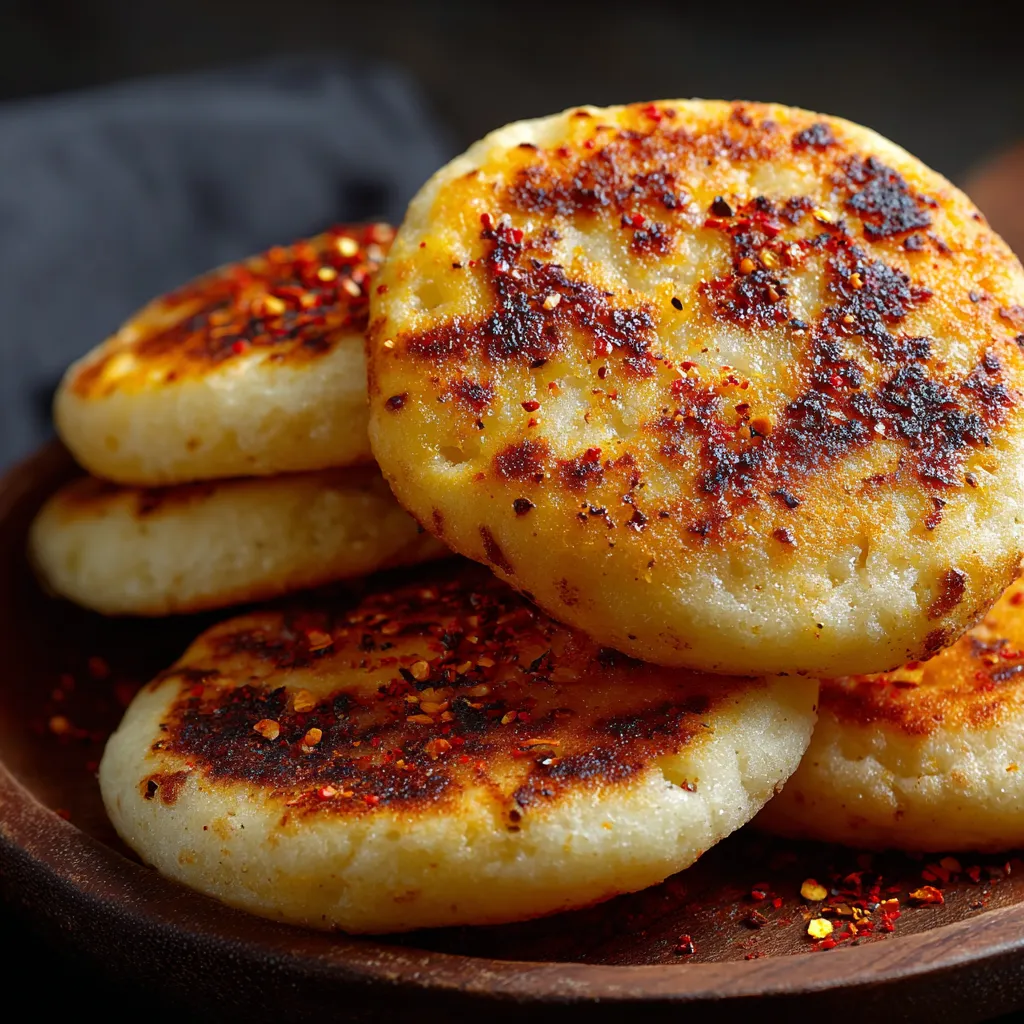
Now that we’ve covered the Puerto Rican arepas ingredients Ingredients , it’s time to make your own batch of these delicious cornmeal cakes. Here’s a simple, step-by-step recipe to guide you:
Step 1: Prepare the Dough
- In a large mixing bowl, combine 2 cups of fine cornmeal, 1/2 teaspoon of salt, and 1 tablespoon of sugar (if using). Stir to combine the dry ingredients.
- Gradually add 1 to 1 1/2 cups of warm water, mixing as you pour. Keep adding water until the dough reaches a smooth, pliable consistency.
- Add 2 tablespoons of unsalted butter to the dough and knead it for about 3 minutes. The dough should be soft, slightly sticky, and easy to shape.
- Let the dough rest for about 5-10 minutes so the cornmeal can fully absorb the water.
Step 2: Shape the Arepas
- Divide the dough into small balls (about the size of a golf ball).
- Flatten each ball into a round disc about 1/2 inch thick. The discs can be thicker or thinner depending on your preference. Thicker discs will be softer inside, while thinner ones will be crispier.
- Tip: For uniform shapes, you can use a tortilla press or roll the dough between your hands to form the discs.
Step 3: Cook the Arepas
- Heat a griddle or frying pan over medium heat. Add a small amount of butter or oil to grease the surface.
- Place the arepas in the pan and cook for about 3-4 minutes per side until golden brown.
- For a crispier texture, transfer the arepas to the oven at 350°F (175°C) for about 10-15 minutes to allow the crust to become even crispier.
Step 4: Serve and Enjoy
- Once the arepas are golden brown, remove them from the heat.
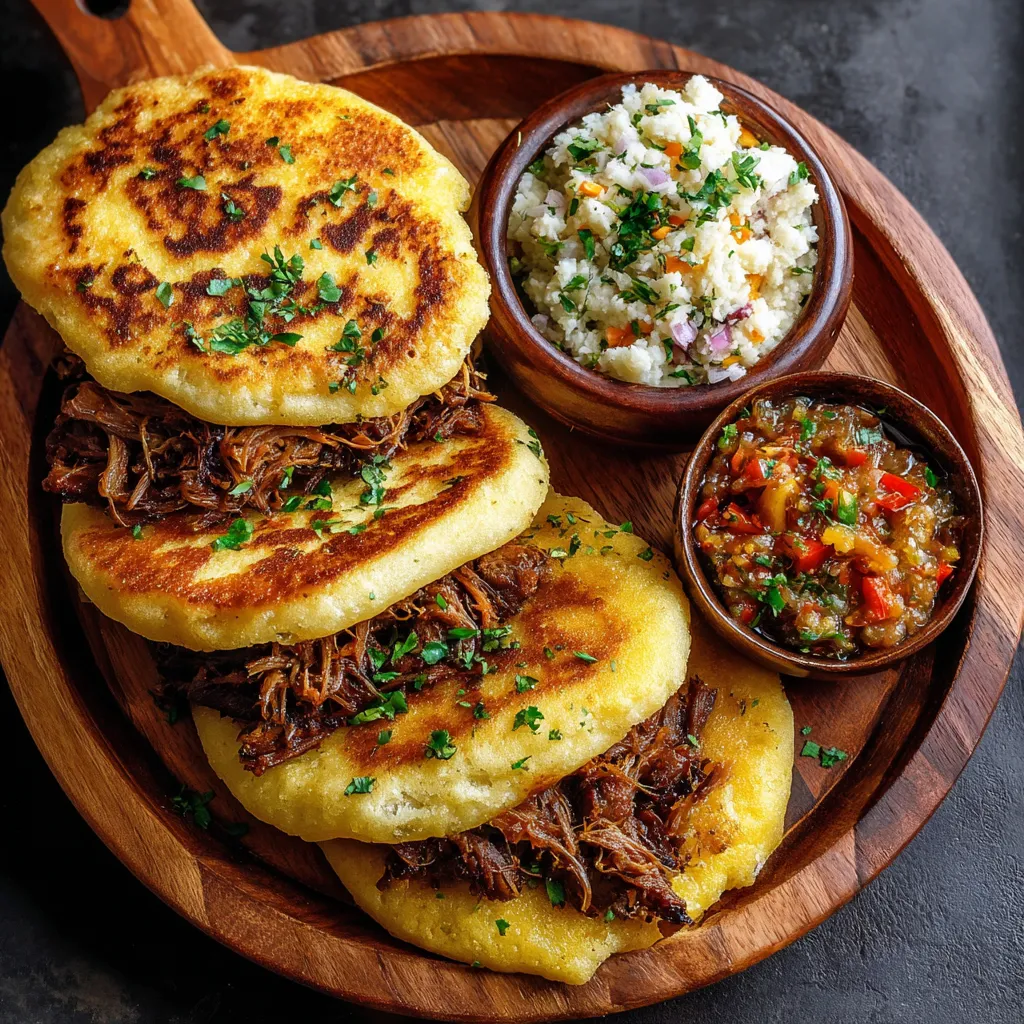
- Slice them open and fill with your desired fillings. Common fillings include Puerto Rican cheese, scrambled eggs, or shredded meats.
- Serve immediately, and enjoy the rich flavors and textures of Puerto Rican arepas!
Printable version
Puerto Rican Arepas Recipe
Equipment
- 2 cups fine cornmeal
- 1/2 tsp salt
- 1 tbsp sugar (optional)
- 1 to 1 1/2 cups warm water
- 2 tbsp butter (or oil)
- 1/2 cup cheese (optional)
- 1/2 tsp baking powder (optional)
Ingredients
- Mix Ingredients: In a bowl combine cornmeal, salt, sugar. Gradually add warm water and mix until dough forms.
- Shape Arepas: Divide dough into small balls and flatten into discs.
- Cook: Heat a pan over medium heat add butter or oil, and cook arepas for 3-4 minutes per side until golden brown.
- Serve: Slice and fill with cheese eggs, or any topping of your choice.
Instructions
- Mix Ingredients: In a bowl, combine cornmeal, salt, sugar. Gradually add warm water and mix until dough forms.
- Shape Arepas: Divide dough into small balls and flatten into discs.
- Cook: Heat a pan over medium heat, add butter or oil, and cook arepas for 3-4 minutes per side until golden brown.
- Serve: Slice and fill with cheese, eggs, or any topping of your choice.
Notes
Popular Variations of Puerto Rican Arepas Ingredients
While the classic Puerto Rican Arepas Ingredients recipe is delightful on its own, here are a few variations to try:
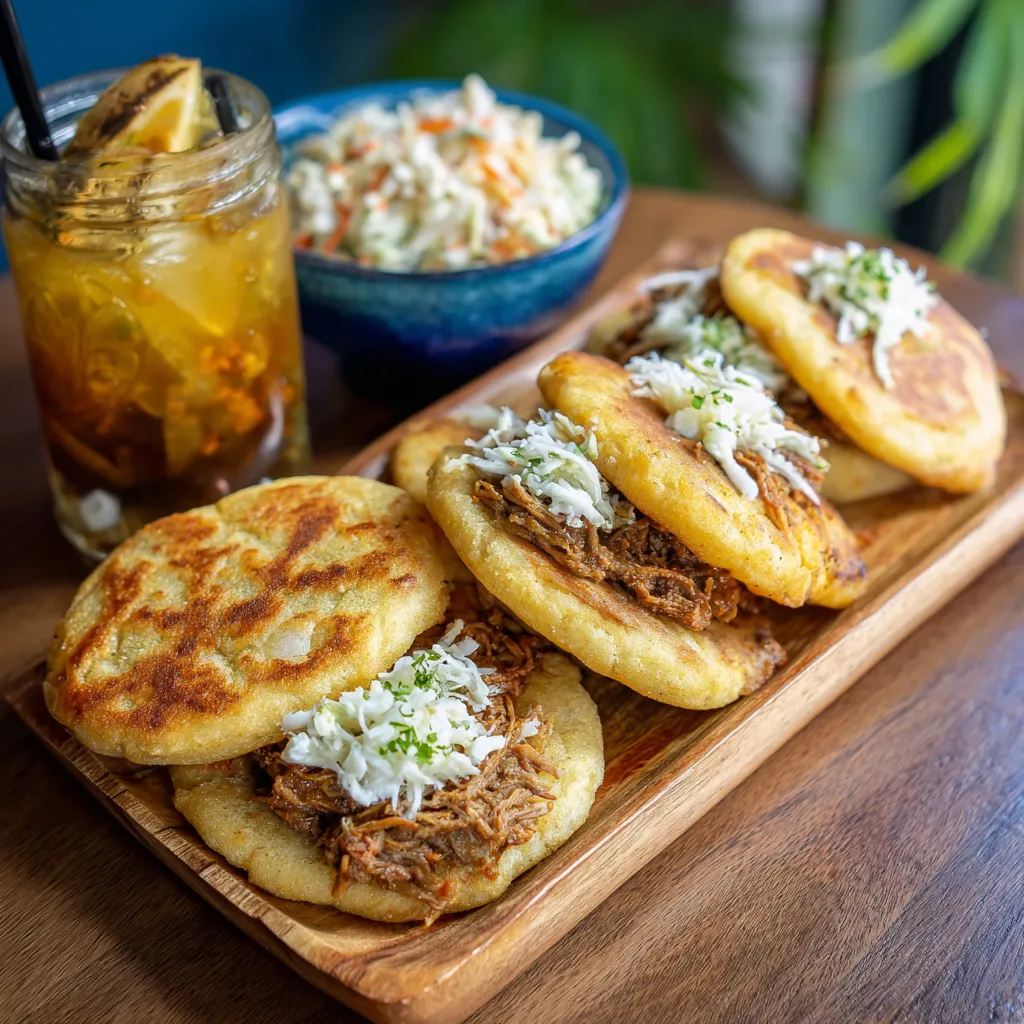
- Stuffed Arepas (Arepas Rellenas): These are stuffed arepas filled with ingredients such as shredded pork, beef, or chicken. They make for a heartier meal.
- Sweet Arepas: Add cinnamon, nutmeg, or honey to the dough for a sweeter version, perfect for dessert.
- Cassava Arepas (Arepas de Yuca): For a different take, you can use cassava flour (yuca flour) instead of cornmeal. These are softer and have a slightly different texture but are equally delicious.
Serving Suggestions for Puerto Rican Arepas
To complete your Puerto Rican arepas Ingredients meal, consider serving them with traditional sides like:
- Mango Salsa: A fresh, tangy salsa made with diced mango, onions, and cilantro adds a tropical flair.
- Fried Plantains (Tostones): Crispy plantains make the perfect side dish to complement the savory arepas.
- Puerto Rican Coffee: For an authentic touch, pair the arepas with a warm cup of Puerto Rican coffee.
Tips for Making Perfect Puerto Rican Arepas
1. Use the Right Cornmeal
- Key Tip: Make sure to use fine cornmeal (or corn flour) for the best texture when using Puerto Rican arepas ingredients. Coarse cornmeal can result in a rough texture that won’t give you the smooth, soft consistency that makes Puerto Rican arepas Ingredients so special.
- Alternative: If fine cornmeal is unavailable, you can use masa harina (corn flour) for an even smoother dough.
2. Gradually Add Water
- Key Tip: When adding water to the Puerto Rican arepas ingredients, add it slowly and mix continuously to avoid a runny dough. The water-to-cornmeal ratio can vary depending on the cornmeal’s grind, so adjust as necessary until you get a smooth, pliable dough that isn’t too sticky.
- Pro Tip: Start with 1 cup of warm water, then gradually add more if needed. The dough should hold together without being wet.
3. Don’t Overwork the Dough
- Key Tip: When mixing the dough using the Puerto Rican arepas ingredients, avoid over-kneading it. Overworking the dough can lead to tough arepas. The goal is to keep the texture soft and light.
- Pro Tip: Let the dough rest for about 5-10 minutes before shaping the arepas. This allows the cornmeal to absorb all the moisture and helps improve the dough’s texture.
4. Experiment with Fillings
- Key Tip: While the classic Puerto Rican arepas recipe is often served plain or with cheese, feel free to get creative with fillings like scrambled eggs, shredded beef, pork, or even vegetables. Arepas rellenas (stuffed arepas) are a popular variation!
- Pro Tip: When filling arepas, use cheese that melts easily, like mozzarella, queso blanco, or cheddar.
5. Cooking Temperature Is Key
- Key Tip: The cooking surface (griddle or frying pan) should be medium heat. If the pan is too hot, the outside will burn before the inside cooks through. If it’s too cool, the arepas will turn out soggy and undercooked.
- Pro Tip: To test the heat, place a small piece of dough in the pan. If it sizzles immediately, it’s the right temperature for cooking.
6. Don’t Skip the Resting Time
- Key Tip: Let the dough rest for 5-10 minutes before shaping the arepas. This allows the cornmeal to absorb the water fully, making the dough easier to handle and preventing the arepas from becoming too dense.
7. Keep Them Crisp
- Key Tip: If you prefer a crispier texture, after cooking the arepas on the griddle, finish baking them in the oven at 350°F (175°C) for 10-15 minutes. This will crisp up the exterior while keeping the interior soft.
8. Customize the Dough
- Key Tip: For a richer flavor, you can add coconut milk or cheese to the dough. Coconut milk will give the Puerto Rican arepas Ingredients a slight tropical flavor, while cheese like queso blanco will make the dough creamy and savory.
- Pro Tip: For sweet Puerto Rican arepas Ingredients , try adding cinnamon, nutmeg, or even a bit of vanilla to the dough.
9. Adjust Thickness for Texture
- Key Tip: If you want your Puerto Rican arepas Ingredients to be crispy on the outside with a soft inside, make them thinner. For a more pillowy texture, keep them slightly thicker.
- Pro Tip: If you’re making arepas rellenas (stuffed arepas), thicker discs will hold the filling better.
10. Serve Immediately
- Key Tip: Puerto Rican arepas Ingredients are best served immediately after cooking while they’re still warm. This ensures they’re crispy on the outside and soft on the inside.
- Pro Tip: If you’re preparing arepas in advance, you can keep them warm by wrapping them in a clean kitchen towel. To reheat, place them on the griddle for a few minutes on each side until crispy.
11. Test for Doneness
- Key Tip: If you’re unsure whether the arepas are fully cooked, cut one in half. The inside should be light, fluffy, and fully cooked, not doughy. If they’re still doughy, cook them a little longer.
- Pro Tip: Use a meat thermometer if needed. The internal temperature should reach 165°F (74°C) to ensure that they’re fully cooked.
12. Add Garnishes for Extra Flavor
- Key Tip: Once cooked, garnish Puerto Rican arepas Ingredients with fresh toppings like cilantro, avocado, sour cream, or salsa to enhance the flavor.
- Pro Tip: Mango salsa or tomato and onion salsa pairs especially well with savory arepas, while a drizzle of honey complements sweet arepas.
Common Mistakes to Avoid When Making Puerto Rican Arepas
1. Using Coarse Cornmeal
- Mistake: Using coarse cornmeal will result in a gritty texture, making the arepas unpleasant to eat.
- Solution: Always use fine or medium-ground cornmeal for the best result.
2. Overcooking or Undercooking
- Mistake: If the arepas are cooked at the wrong temperature or for the wrong amount of time, they can end up burnt on the outside or raw on the inside.
- Solution: Cook on medium heat and check the arepas by cutting one in half to ensure the inside is fully cooked.
3. Skipping the Rest Period
Solution: Allow the dough to rest for 5-10 minutes to let the cornmeal fully absorb the water.
Mistake: Not letting the dough rest before shaping can result in a dense texture.
Health Considerations for Puerto Rican Arepas
Puerto Rican Arepas Ingredients are a delicious and versatile dish, but like many traditional comfort foods, they can be made healthier with a few thoughtful adjustments. Whether you’re looking to reduce calories, cut down on sugar, or include more nutrients, there are several ways to make these cornmeal cakes more nutritious without sacrificing flavor.
In this section, we’ll explore how to make your Puerto Rican arepas ingredients healthier, the benefits they offer when made with mindful ingredients, and how to customize them based on dietary preferences.
1. Use Whole Grain or Whole Cornmeal for Added Fiber
- Health Tip: Substitute regular cornmeal with whole grain cornmeal or whole corn flour when using your Puerto Rican arepas ingredients. These alternatives provide more fiber and nutrients, such as iron, magnesium, and B vitamins. Whole grains are important for digestion and can help lower cholesterol levels.
- Health Benefit: Adding more fiber to your diet can promote digestive health, regulate blood sugar levels, and help maintain a healthy weight.
2. Opt for Healthy Fats: Use Coconut or Olive Oil Instead of Butter
- Health Tip: Butter is commonly used in the dough for Puerto Rican arepas ingredients, but you can easily substitute it with coconut oil or extra virgin olive oil. These oils contain healthy fats that are beneficial for heart health.
- Health Benefit: Coconut oil contains medium-chain triglycerides (MCTs), which are known to support brain health and provide quick energy. Olive oil is rich in monounsaturated fats that are linked to a lower risk of heart disease.
3. Reduce the Sugar Content
- Health Tip: Traditional recipes for Puerto Rican Arepas ingredients may include a tablespoon of sugar to give the dough a slight sweetness. You can cut back on sugar or use natural sweeteners like stevia, monk fruit, or honey for a healthier option.
- Health Benefit: Cutting back on refined sugars can help reduce the risk of diabetes, heart disease, and improve overall metabolic health. Using natural sweeteners offers a more sustained energy release without the sugar crash.
4. Add Veggies to Your Arepas for Extra Nutrients
- Health Tip: Puerto Rican Arepas ingredients are usually served with cheese or eggs, but you can make them more nutrient-dense by adding vegetables to the dough or as fillings. Consider adding spinach, mushrooms, peppers, or zucchini.
- Health Benefit: Vegetables are rich in vitamins, minerals, antioxidants, and fiber, all of which support immune function, digestive health, and skin health. They also help keep you feeling fuller longer with fewer calories.
5. Choose Lean Protein Fillings
- Health Tip: If you’re filling your Puerto Rican arepas with meat, consider using lean protein options such as grilled chicken, turkey, or lean ground beef. You can also use plant-based proteins like tofu, tempeh, or beans for a vegetarian version.
- Health Benefit: Lean proteins are lower in unhealthy fats and calories, providing your body with amino acids essential for muscle repair, energy, and immune support.
6. Make Them Gluten-Free
- Health Tip: Traditional Puerto Rican arepas are made with cornmeal, which is naturally gluten-free. However, ensure that the cornmeal you’re using is certified gluten-free if you have gluten sensitivities or are cooking for someone who does.
- Health Benefit: For those with celiac disease or gluten sensitivity, making sure the cornmeal is gluten-free can prevent digestive distress and promote better gut health.
7. Control Portion Sizes
- Health Tip: One of the best ways to make Puerto Rican Arepas ingredients healthier is by controlling portion sizes. Instead of making large arepas, consider making smaller, bite-sized versions that are easier to manage and allow for better portion control.
- Health Benefit: Portion control helps prevent overeating and ensures you stay within your calorie and nutritional goals. Eating in moderation can help you maintain a balanced diet and avoid weight gain.
8. Pair with Healthy Sides
- Health Tip: To create a more balanced meal, pair Puerto Rican Arepas with healthy sides such as grilled vegetables, a side salad, or steamed rice. This will add more fiber, vitamins, and minerals to the meal.
- Health Benefit: Adding more vegetables and complex carbs helps balance the macronutrients in the meal, providing long-lasting energy and preventing blood sugar spikes.
9. Lower Sodium for Better Heart Health
- Health Tip: Traditional recipes for Puerto Rican Arepas ingredients may call for salt and cheese, both of which contribute to sodium intake. If you are watching your sodium levels, consider using low-sodium cheese or reduced-sodium salt in your recipe.
- Health Benefit: Reducing sodium intake can help lower blood pressure and reduce the risk of heart disease and stroke. Choosing low-sodium alternatives can also help with kidney health and fluid balance.
10. Make Them Dairy-Free or Vegan
- Health Tip: If you follow a dairy-free or vegan diet, you can still enjoy Puerto Rican arepas by using plant-based butter or vegan cheese in the dough and for fillings. Tofu or tempeh can be used as a filling to replace traditional dairy or meat options.
- Health Benefit: Plant-based diets have been linked to numerous health benefits, including a lower risk of heart disease, high blood pressure, diabetes, and even certain types of cancer. Vegan options also support gut health and are often easier to digest.
Nutritional Benefits of Puerto Rican Arepas
When prepared with thoughtful ingredient choices, Puerto Rican arepas can provide several nutritional benefits:
1. Source of Complex Carbohydrates
- Cornmeal is a great source of complex carbohydrates, which are broken down more slowly by the body, providing a steady energy supply and keeping you full longer.
2. High in Fiber
- Whole grain cornmeal contains fiber, which aids in digestion, helps maintain healthy cholesterol levels, and supports heart health.
3. Rich in Healthy Fats
- Using healthy oils like olive oil or coconut oil provides healthy fats that are important for brain function, heart health, and skin health.
4. Packed with Protein
- Adding protein-rich fillings such as chicken, tofu, or beans provides the body with the necessary amino acids that support muscle growth, repair, and immune function.
5. Full of Essential Vitamins and Minerals
- Depending on the fillings you choose, Puerto Rican arepas can be a great source of vitamins like vitamin A, vitamin C, and B vitamins, as well as minerals like iron, magnesium, and potassium.
Conclusion
Puerto Rican arepas are a delicious and versatile dish that offers a wonderful combination of crispy and soft textures. With just a few Puerto Rican arepas ingredients, you can create a comforting meal that fits a variety of occasions, from breakfast to dinner. Whether you choose to fill them with cheese, meats, or even sweet toppings, Puerto Rican arepas are sure to become a favorite in your kitchen.
With the right ingredients and a few simple steps, you can recreate this authentic dish in your own home. Don’t forget to experiment with different fillings and toppings to make the Puerto Rican arepas recipe your own.